




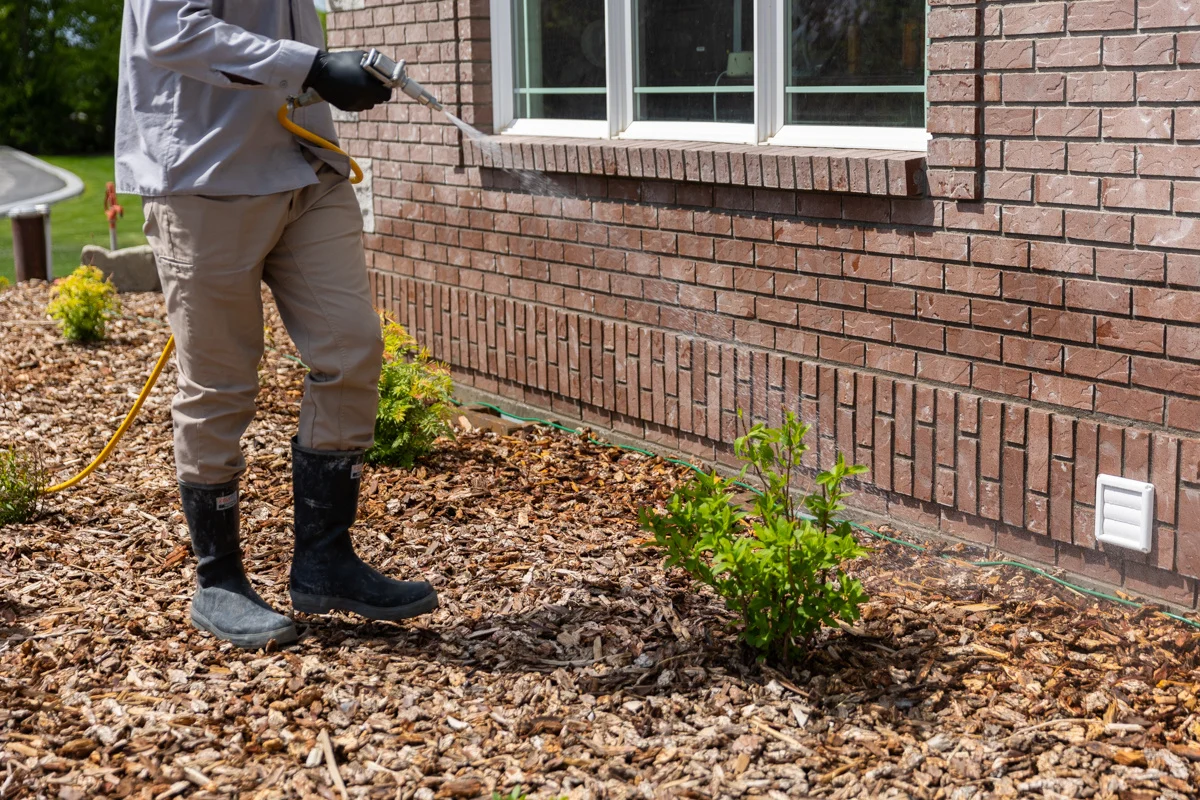
Outdoor pests are one of the most frustrating problems homeowners face. From mosquitoes ruining evenings to ants invading patios and rodents lurking near foundations, the issue often feels never-ending. Many people take action, invest money, and try different solutions—yet still struggle with the same problems year after year.
The truth is, it’s not always about effort. It’s about approach.
Most homeowners get outdoor pest treatment completely wrong, not because they don’t care, but because they rely on outdated methods, incomplete solutions, or short-term fixes that never address the root of the problem.
Understanding where things go wrong is the first step toward finally solving it.
The Biggest Mistake: Treating Symptoms Instead of Causes
One of the most common mistakes is focusing only on visible pests. When mosquitoes are flying around or ants appear on your patio, the instinct is to eliminate what you can see.
But pests don’t start where you see them. They start where they live, breed, and hide.
Mosquitoes breed in standing water. Ants build colonies underground or inside structures. Rodents find entry points and nesting areas long before you notice them.
Spraying visible areas without targeting these sources is like putting a bandage on a deeper issue. You may see temporary relief, but the problem quickly returns.
Over-Reliance on DIY Solutions
DIY pest control products are everywhere. Sprays, foggers, traps, and repellents promise quick and easy results. While they can offer short-term improvement, they rarely deliver lasting control.
Many of these products are designed for convenience, not effectiveness. They may kill pests on contact but fail to eliminate breeding sites or prevent reinfestation.
Homeowners often find themselves stuck in a cycle of buying, applying, and reapplying different products. Over time, this becomes both expensive and exhausting.
Worse, improper use of these products can create safety concerns or even make the problem worse by scattering pests instead of eliminating them.
Ignoring the Importance of Consistency
Pest control is not a one-time event. It’s an ongoing process.
Many homeowners treat their property once and expect long-term results. When pests return, they assume the treatment didn’t work, rather than recognizing that consistency is key.
Outdoor environments are constantly changing. Weather, vegetation, and surrounding conditions all influence pest activity. Without regular maintenance, even the best treatments will lose effectiveness over time.
Consistency is what keeps pest populations under control—not just a single application.
Not Understanding Seasonal Pest Behavior
Different pests are active at different times of the year. Mosquitoes thrive in warmer months, while rodents may seek shelter as temperatures drop.
Homeowners often react to pests instead of anticipating them.
By the time you notice a problem, it has already developed. Preventative treatment before peak seasons can significantly reduce infestations and make control much easier.
Without this proactive approach, you’re always one step behind.
Missing Hidden Problem Areas
Outdoor pests rarely stay in open, obvious spaces. They hide in areas that are easy to overlook.
These include:
- Under decks and patios
- Inside dense shrubs and landscaping
- Around foundations and entry points
- In standing water sources like gutters or planters
If these areas are not treated properly, pests will continue to thrive no matter how much you spray visible surfaces.
A thorough approach requires identifying and addressing all potential hiding and breeding zones.
Choosing Price Over Value
It’s natural to look for the cheapest option when dealing with pests. However, choosing the lowest-cost solution often leads to poor results.
Cheap treatments may use less effective products, apply minimal coverage, or skip important steps in the process.
What seems like a cost-saving decision can quickly turn into repeated expenses as the problem persists.
True value comes from effectiveness, not just price.
The Right Way to Approach Outdoor Pest Control
Solving pest problems requires a shift in mindset.
Instead of reacting to pests, homeowners need to focus on prevention, consistency, and comprehensive treatment.
This means:
- Identifying and eliminating breeding sites
- Applying treatments strategically, not randomly
- Maintaining regular service schedules
- Adapting to seasonal changes
A professional approach takes all of these factors into account.
That’s why many homeowners turn to outdoor pest treatment services that are designed to deliver long-term results rather than temporary fixes.
Why Professional Treatment Changes Everything
Professional pest control services bring experience, knowledge, and precision to the process.
They understand pest behavior, know where to look, and use products that are both effective and safe when applied correctly.
More importantly, they create a system.
Instead of guessing, you get a structured plan that includes inspection, treatment, and ongoing prevention. This removes uncertainty and ensures that every part of your property is properly protected.
The difference is not just in what is done, but how it is done.
Reclaiming Your Outdoor Space
When outdoor pest control is done correctly, the results are noticeable.
Your yard becomes a place you can enjoy again. Evenings are more comfortable. Gatherings are no longer interrupted. You spend less time worrying about pests and more time enjoying your home.
This is what effective pest control should deliver—not just fewer pests, but a better quality of life.
Final Thoughts
Most homeowners struggle with outdoor pests not because the problem is impossible to solve, but because the approach is incomplete.
Focusing only on visible pests, relying on short-term solutions, and ignoring prevention leads to frustration and repeated issues.
A smarter, more strategic approach changes everything.
When you address the root causes, stay consistent, and use the right methods, pest control becomes manageable—and your outdoor space becomes yours again.
Getting it right isn’t about doing more. It’s about doing it better.