




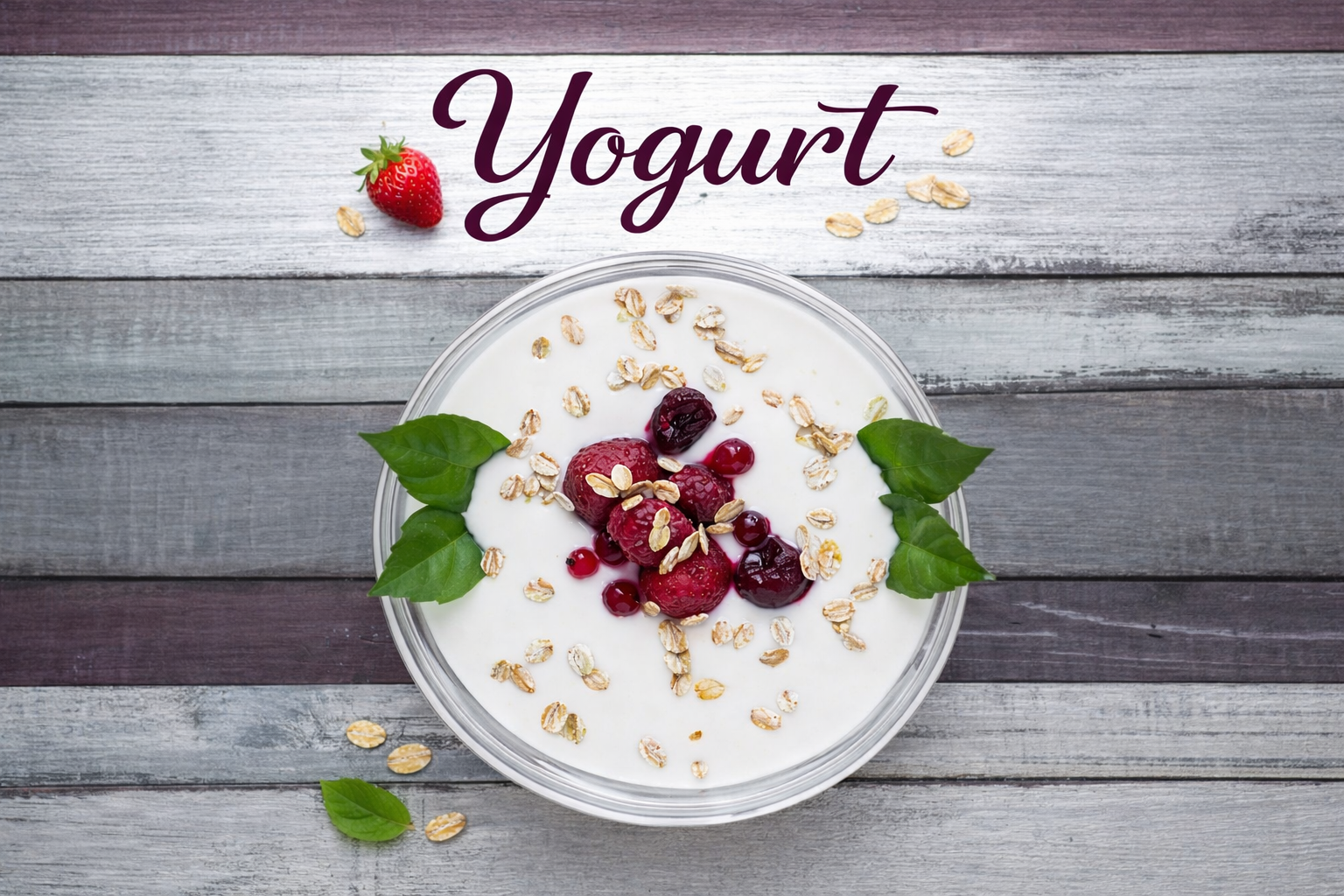
Fermented dairy products have been part of human diets for thousands of years. In recent years, the booming interest in gut health, functional nutrition, and wellness lifestyles has reshaped how people view classic foods like yogurt. At the forefront of this evolution is Joguart — a modern, nutrient‑rich, multifunctional version of traditional yogurt that blends tradition, innovation, and science into one creamy superfood.
In this guide, we’ll explore everything about Joguart — from its origins and nutritional benefits to how it’s made, why it’s trending, and how to use it in your daily life.
What is Joguart?
Definition and Concept
Joguart is a term used to describe a premium, fermented dairy product that goes beyond standard yogurt in texture, probiotic content, and functional benefits. While regular yogurt is simply fermented milk with beneficial cultures, Joguart is intentionally formulated to support digestive wellness, immunity enhancement, metabolic health, and nutritional depth.
The word “Joguart” is more than a playful variation of “yogurt.” It represents a food category that emphasizes quality fermentation, diverse probiotic strains, and often added nutrients that appeal to modern health‑conscious consumers.
Unlike mass‑produced yogurts that prioritize shelf life and broad appeal, Joguart typically focuses on handcrafted methods, rich nutritional profiles, and functional innovations.
How It Differs from Traditional Yogurt
Traditional yogurt is a fermented dairy product made using a few classic bacterial strains (e.g., Lactobacillus bulgaricus and Streptococcus thermophilus), delivering probiotics, protein, and calcium. Joguart, on the other hand:
- Uses enhanced fermentation techniques that may boost probiotic diversity
- Often includes functional ingredients like fiber, omega‑3s, or vitamins
- May be available in plant‑based formats (e.g., almond, soy, oat milk)
- Emphasizes a creamier texture and better mouthfeel
- Targets wellness goals such as gut microbiome balance, immunity, and metabolism support
By blending tradition with innovation, Joguart stands apart in the expanding market of cultured dairy and fermented foods.
History and Cultural Roots of Joguart
Ancient Yogurt Traditions Around the World
Yogurt’s history stretches back thousands of years, with early records linking fermented dairy to ancient Central Asian, Middle Eastern, and Eastern European cultures. These early communities discovered that fermenting milk not only preserved it but made it more digestible and nutritious.
Anthropologists suggest that fermented dairy was prized for its ability to support health and longevity — long before probiotics were scientifically recognized.
For example, the famed yogurt of Momchilovtsi, Bulgaria — enriched with unique strains like Lactobacillus bulgaricus — has been traditionally associated with robust gut health and longevity, drawing tourists to the region to sample its fermented dairy products.
Regional Adaptations Leading to Joguart
Across different cultures, communities developed unique fermentation styles, flavors, and additives. Some regions used pottery fermentation to impart earthy essences, while others added herbs or spices for medicinal benefits.
These regional adaptations laid the foundation for today’s premium fermented products. Joguart can be seen as a global reinterpretation of fermented dairy — rooted in heritage, refined through modern science, and optimized for wellness.
Cultural Significance in Modern Cuisine
Today, fermented foods occupy a celebrated space in culinary and wellness circles. Chefs and home cooks alike incorporate cultured products for both flavor and function. Joguart, with its versatility and enhanced nutrient profile, bridges the gap between traditional culinary heritage and modern health needs.
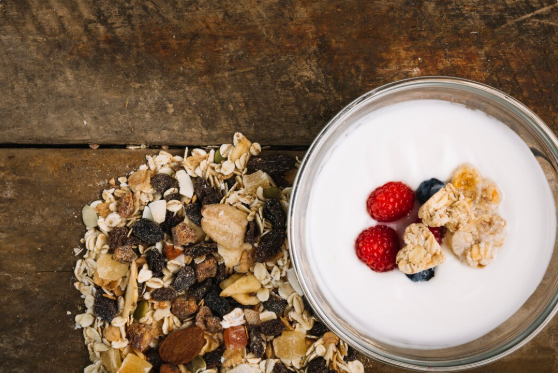
How Joguart is Made
Traditional Fermentation Techniques
The base of Joguart begins with high‑quality milk or plant‑based alternatives. Beneficial bacteria are introduced to start fermentation, converting lactose into lactic acid, creating a tangy, creamy product rich in live cultures.
Traditional fermentation focuses on natural, slow culturing that preserves beneficial bacteria, texture, and nutrients.
Modern Innovations in Fermentation
What sets Joguart apart is the use of advanced fermentation strategies, such as:
- Choosing specific probiotic strains (e.g., Lactobacillus and Bifidobacterium) for targeted health benefits
- Extended culturing times for richer texture and flavor
- Controlled temperature optimization for maximum probiotic viability
- Inclusion of added fibers, superfoods, or adaptogens to support wellness goals
These innovations elevate Joguart from a simple dairy product to a functional food crafted for immune, gut, and metabolic health.
Plant‑Based and Dairy‑Free Options
Joguart isn’t limited to dairy. Many brands now offer plant‑based versions made from almond, soy, or oat milk, responding to a growing demand for vegan and lactose‑free options. Plant‑based Joguart combines fermented plant protein with probiotics for a dairy‑free functional food experience that still supports gut health and immune function.
Homemade Joguart Step‑by‑Step Guide
Making Joguart at home follows similar principles to yogurt but with intentional emphasis on probiotics and texture:
- Heat the milk or plant milk to a specific temperature (often 85°C / 185°F)
- Cool to fermenting temperature (around 40°C / 104°F)
- Add starter cultures, often multi‑strain probiotics
- Ferment in a controlled environment for 8–12 hours
- Refrigerate and enjoy within a week
With simple tools — a yogurt maker or temperature‑controlled oven — homemade Joguart can be a nutritious staple.
Nutritional Profile of Joguart
Macronutrients (Protein, Fat, Carbs)
Joguart is nutritionally dense, offering a balance of macronutrients:
- Protein: Often higher than standard yogurt, especially in strained or Greek‑style versions
- Fat: Ranges depending on milk type; plant‑based versions often use healthy fats
- Carbohydrates: Naturally occurring from lactose or plant sugars
This balanced profile makes Joguart satisfying and supportive of weight management, muscle repair, and steady energy levels.
Micronutrients (Calcium, Vitamins, Minerals)
Joguart delivers essential micronutrients:
- Calcium for bone strength
- Vitamin D (often fortified)
- Vitamin B12, riboflavin, potassium for metabolic support
- Other minerals depending on ingredients used
These nutrients contribute to overall health and are especially beneficial for active individuals and those aiming for holistic nutrition.
Probiotics and Gut Health Benefits
At the core of Joguart’s nutritional power is its probiotic content. Probiotics are beneficial microorganisms that help balance the gut microbiome, support digestion, and contribute to immune function.
In products like fermented milk or kefir, probiotic counts can be significantly higher than plain yogurt — sometimes offering three times the probiotics — making fermented foods a cornerstone of gut health nutrition.
Comparison with Regular Yogurt (Table Format)
Below is a simplified comparison to illustrate how Joguart often outperforms traditional yogurt nutritionally:
| Nutrient | Regular Yogurt (approx.) | Joguart (Enhanced) |
|---|---|---|
| Calories | 60–90 kcal per 100g | 75–110 kcal per 100g |
| Protein | 3–6g | 6–10g+ |
| Probiotics | Moderate | High (diverse strains) |
| Added Nutrients | Limited | Omega‑3, Fiber, Vitamins |
| Texture | Standard | Creamier, richer |
This highlights Joguart’s nutritional edge as a functional fermented food.
Health Benefits of Joguart
Digestive and Gut Health
Thanks to its probiotic diversity, Joguart supports gut microbiota balance, which is linked to:
- Reduced bloating
- Improved digestion
- Enhanced nutrient absorption
- Better bowel regularity
Probiotics help reduce harmful bacteria and promote a healthy gut environment, which is foundational to overall wellbeing.
Immune System Support
A significant portion of the immune system resides in the gut. By promoting a balanced microbiome, Joguart can help fortify the body’s natural defense mechanisms, supporting immunity and reducing susceptibility to infections.
Bone and Muscle Health
High calcium and protein content make Joguart excellent for:
- Bone strength and density
- Muscle repair and growth
- Post‑workout recovery
This makes Joguart appealing not just for general health but also for fitness enthusiasts.
Weight Management and Satiety
Protein contributes to a feeling of fullness, helping reduce cravings and support healthier eating patterns. This makes Joguart a smart choice for those seeking sustainable weight management.
Heart Health and Omega‑3 Benefits
Some Joguart formulations include omega‑3 fatty acids and other heart‑healthy nutrients, supporting cardiovascular wellness.
Energy, Metabolism, and Daily Vitality
With its robust micronutrient profile and probiotic support, Joguart contributes to steady energy, healthy metabolism, and improved daily vitality.

Flavors, Varieties, and Culinary Uses
Classic Flavors and Pure Options
Traditional Joguart flavors like plain, vanilla, or honey celebrate its natural tang and creamy texture, appealing to purists who prefer simplicity and versatility.
Fusion and Superfood‑Infused Joguart
Today’s Joguart options often include:
- Turmeric‑honey
- Berry or mango infusions
- Spirulina, chia seeds, or other superfoods
- Savory herbs for dips and spreads
These innovations make Joguart exciting in both flavor and function.
Sweet, Savory, and Dessert Recipes
Joguart is incredibly versatile:
- Smoothies: blended with fruits and veggies
- Salad dressings: creamy and probiotic‑rich
- Marinades and sauces: adding depth to proteins
- Desserts: layered parfaits with honey, nuts, and berries
Its adaptability enhances meals across the day.
Using Joguart in Meals
| Meal Type | Example Use |
|---|---|
| Breakfast | With granola and fresh fruit |
| Snack | Smoothie base or parfait |
| Lunch | Salad dressing, dip |
| Dinner | Side sauce for grilled proteins |
| Dessert | Sweet parfaits with toppings |
Joguart fits seamlessly into diverse culinary routines.
Joguart in Daily Life
For Fitness and Active Lifestyles
With high protein and probiotics, Joguart supports:
- Muscle recovery
- Weight management
- Digestive comfort
It’s a natural choice for athletes and active individuals.
For Digestive Health and Wellness
Regular consumption may help optimize gut flora, improve digestion, and support immune health — making it valuable in preventative nutrition.
As a Convenient and Premium Snack
Its ease of preparation and versatility make Joguart a go‑to snack for busy lifestyles, combining nutrition with delicious flavor.
Market Trends and Economic Potential
Growth of Functional Foods and Probiotics
The global market for probiotic yogurt, which closely aligns with the functional food sector Joguart belongs to, was valued around USD 21.99 billion in 2025 and is expected to expand to USD 53.4 billion by 2035 — showing strong growth driven by gut health awareness and functional nutrition demand.
Clean‑label and functional products have seen increased investment, with major players innovating to include high‑fiber, low‑sugar, and multi‑strain probiotic formulations.
Challenges in Popularizing Joguart
Despite its appeal, Joguart faces hurdles:
- Consumer awareness: Many still confuse it with regular yogurt
- Production scaling: Maintaining artisan‑level quality at scale
- Cold storage requirements: Keeping probiotics viable during transport
- Price: Premium ingredients and functional enhancements can drive costs
Opportunities for Growth and Innovation
Joguart’s future is bright, especially as consumers increasingly seek clean‑label, nutrient‑dense foods. There’s significant room for expansion in:
- Plant‑based functional options
- Fortified and specialty formulations
- Wellness‑oriented meal replacements
- Digital education on gut health benefits
Choosing and Storing Joguart
How to Select High‑Quality Joguart in Stores
Look for:
- Live active cultures listed on labels
- Minimal added sugars
- Clean ingredients (no artificial additives)
- Clear nutritional info highlighting probiotics
These indicators help ensure you get premium functional benefits.
Homemade Joguart: Storage Tips and Shelf Life
- Refrigerate after fermentation
- Consume within 5–7 days
- Store in airtight containers to maintain probiotic viability
Homemade versions offer control over taste, texture, and bacterial strains.
Safety and Daily Consumption Guidelines
For most healthy individuals, daily consumption of Joguart is safe and beneficial. Those with lactose intolerance may prefer plant‑based versions.
People with specific health conditions should consult healthcare professionals for tailored advice.
The Future of Joguart
Plant‑Based and Eco‑Friendly Innovations
As plant‑based eating grows, so does the demand for vegan Joguart — combining functional probiotics with plant proteins.
Sustainability trends also push for biodegradable packaging and ethical sourcing.
Emerging Flavors and Global Fusion Trends
Expect more global fusion flavors — from savory herb blends to exotic fruit combos — reflecting diverse culinary influences.
Joguart as a Symbol of Wellness and Culture
Joguart’s rise represents a broader shift — food isn’t just fuel anymore, but a tool for health, heritage, and lifestyle expression.
FAQs About Joguart
Is Joguart the Same as Yogurt?
No — while rooted in yogurt, Joguart is a wellness category that emphasizes probiotics, functional ingredients, and intentional formulation.
Is Joguart Healthier Than Regular Yogurt?
Often, yes. Enhanced probiotics, added nutrients, and fermentation methods make Joguart nutritionally richer for gut and metabolic health.
Can Joguart Help with Digestion?
Yes — diverse probiotics support a healthy gut microbiome, aiding digestion and nutrient absorption.
How Often Can You Eat Joguart?
Daily consumption within moderate portions is generally beneficial.
Can It Be Plant‑Based or Vegan?
Yes — many Joguart options use almond, oat, or soy milk bases.
Where Can I Buy Joguart?
Increasingly available in health food stores, supermarkets, and online markets focusing on fermented and functional foods.
Conclusion
Joguart is more than just another fermented dairy product — it’s the intersection of tradition, science, and modern wellness trends. With a rich nutrient profile, high probiotic content, and culinary versatility, Joguart meets the demands of today’s health‑aware consumers and culinary innovators alike.
From its ancient roots in traditional yogurts to its status as a premium functional food, Joguart is poised to become a staple of the global health food movement. For anyone seeking better digestion, stronger immunity, balanced nutrition, or simply a deliciously creamy treat, Joguart offers something uniquely valuable.
By understanding its benefits, market potential, and culinary possibilities, you can make Joguart a part of your journey toward better health and a more mindful diet.
ALSO READ ON: Evırı Explained: Philosophy, Personal Growth & Elden Ring (2026 Guide)