




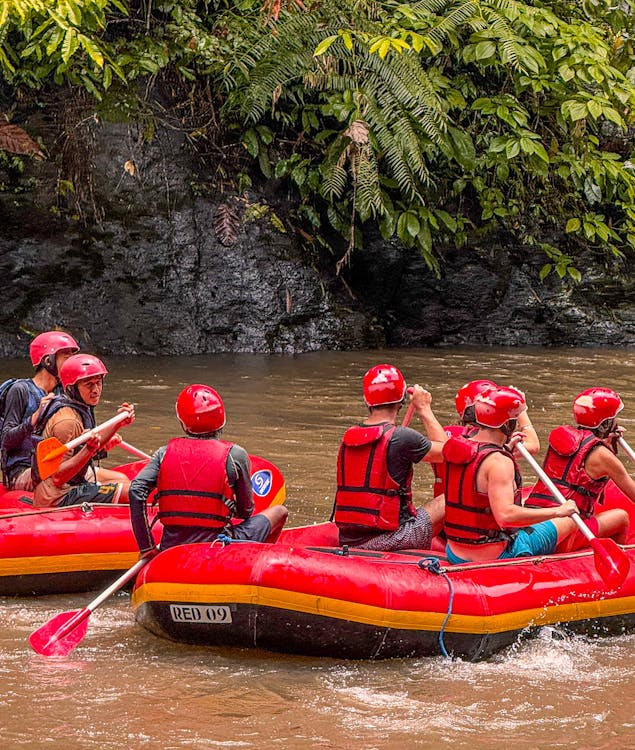
White water rafting delivers an exhilarating outdoor adventure that blends physical challenges with stunning natural scenery. The quality of your experience, though, hinges heavily on timing, water conditions, weather patterns, and river accessibility shift dramatically throughout the year. Understanding these seasonal factors helps you encounter optimal water flows, comfortable temperatures, and the right difficulty level for your abilities. Whether you’re a first timer seeking gentle currents or an experienced paddler craving intense rapids, choosing the right season transforms a good trip into an unforgettable adventure.
Spring Season: Prime Time for High-Energy Rapids
Spring emerges as the season of choice for white water rafting enthusiasts who crave powerful currents and dramatic wave action. Snowmelt from mountain ranges feeds rivers during April, May, and early June, creating substantially elevated water levels that generate vigorous rapids and fast-moving currents. These conditions naturally attract experienced rafters seeking challenging class III, IV, and V rapids that demand technical skill and solid teamwork. The increased water volume transforms normally tame river sections into thrilling roller-coaster rides packed with splashing waves and heart-pounding drops.
That said, spring rafting does require preparation for colder conditions and more demanding physical challenges. Water temperatures remain quite chilly from recent snowmelt, typically hovering between 45 and 55 degrees Fahrenheit, which makes wetsuits or drysuits essential for both safety and comfort. Air temperatures can vary unpredictably during this transitional season, so you’ll want layers and waterproof outerwear to stay warm throughout your journey. The powerful currents demand greater physical strength and stamina from paddlers, as controlling the raft through turbulent waters requires sustained effort and coordination.
Summer Season: Family-Friendly Conditions and Accessibility
Summer months from late June through August provide the most accessible and comfortable rafting conditions for families, beginners, and casual adventurers alike. Water levels gradually decrease as snowmelt diminishes, resulting in calmer rapids that maintain excitement without overwhelming inexperienced paddlers. Warmer air temperatures ranging from 75 to 95 degrees Fahrenheit create pleasant conditions where getting splashed becomes refreshing rather than uncomfortable. The combination of moderate water flows and warm weather eliminates the need for extensive protective gear, participants can raft in swimsuits, life jackets, and basic sun protection.
Summer time popularity does bring certain considerations you’ll want to keep in mind regarding crowds and availability. Peak season attracts maximum visitors, which means busier rivers with multiple rafting groups sharing popular sections simultaneously. Reservations become absolutely essential during July and early August, as outfitters often book completely weeks in advance for weekend trips. Popular launch sites may experience congestion during mid-morning hours when most tours begin their journeys.
Early Fall: The Sweet Spot for Experienced Rafters
September and early October represent an underappreciated window that offers exceptional value and unique advantages for knowledgeable rafters. Water levels stabilize at moderate flows that balance excitement with manageability, creating conditions well-suited for intermediate skill levels. Crowds thin dramatically as families return to school schedules and summer tourists disperse, providing a more intimate and peaceful river experience you won’t find during peak season. Autumn foliage transforms riverside landscapes into spectacular displays of gold, orange, and crimson hues that enhance the visual beauty of your journey.
Fall rafting often comes with reduced pricing and greater flexibility for scheduling, as outfitters seek to extend their operating seasons beyond peak summer months. Many companies offer discounted rates during shoulder seasons to maintain business flow and utilize their guides and equipment efficiently. Smaller group sizes become standard rather than exceptional, which allows for more personalized attention from guides and customized experiences based on what participants actually want. The combination of pleasant weather, beautiful scenery, manageable water conditions, and economic advantages makes early fall the secret favorite season among experienced rafters who genuinely appreciate quality over crowds.
Regional Variations and Geographic Considerations
Optimal rafting seasons vary significantly based on geographic location, elevation, and regional climate patterns throughout different areas. Rivers fed by high, altitude snowpack in mountainous regions maintain strong flows later into summer compared to lower-elevation waterways. Desert and southwestern rivers may offer excellent winter and early spring rafting when temperatures remain moderate, and rainfall replenishes water levels. Coastal rivers influenced by marine weather patterns experience different seasonal rhythms than landlocked waterways affected by continental climate systems. Professionals who need to plan trips during peak snowmelt conditions often rely on destinations like South Fork American River Rafting to experience optimal spring flows and challenging rapids. Understanding these geographic distinctions helps you identify the best timing for specific destinations rather than applying universal seasonal assumptions that may not hold true.
Researching historical water flow data, average precipitation patterns, and typical weather conditions for your chosen location provides valuable planning insights you can actually use. River gauge information available through geological survey websites reveals current and historical flow rates measured in cubic feet per second, which helps predict rapid difficulty and overall conditions. Local rafting outfitters possess intimate knowledge of seasonal patterns and can recommend optimal timing based on your experience level and desired intensity. Some regions offer year-round rafting opportunities by featuring different river sections or tributaries that peak at various times, effectively extending the season beyond traditional boundaries.
Weather Patterns and Safety Considerations
Weather significantly impacts rafting safety and enjoyment regardless of season, which means paying close attention to forecasts and potential hazards. Thunderstorms pose serious risks on rivers due to lightning danger, flash flooding potential, and rapidly changing water conditions that can transform calm sections into dangerous torrents within minutes. Spring weather remains notoriously unpredictable with sudden temperature drops, unexpected precipitation, and variable wind conditions that challenge even experienced paddlers. Summer heat requires adequate hydration planning, sun protection, and awareness of heat exhaustion symptoms during extended river trips.
Monitoring extended forecasts beginning one week before your scheduled trip allows for informed decisions about proceeding, rescheduling, or adjusting plans based on predicted conditions. Reputable outfitters maintain conservative safety standards and will postpone or cancel trips when weather creates unacceptable risks, even during peak season when the financial pressure is highest. Understanding that weather, related cancellations protect participant safety rather than inconvenience customers helps maintain proper perspective when plans change unexpectedly. Flexible booking policies and travel insurance provide financial protection against weather disruptions that are genuinely beyond anyone’s control.
Conclusion
Selecting the best time for your rafting trip requires balancing personal preferences, skill level, and practical considerations with seasonal conditions and regional variations. Spring delivers maximum excitement through powerful rapids and high water volumes that are ideal for experienced adventurers willing to brave colder conditions. Summer provides accessible, family, friendly experiences with warm weather and moderate flows that are perfect for beginners and casual participants. Early fall offers the sweet spot of reduced crowds, beautiful scenery, and balanced conditions that experienced rafters particularly appreciate.