




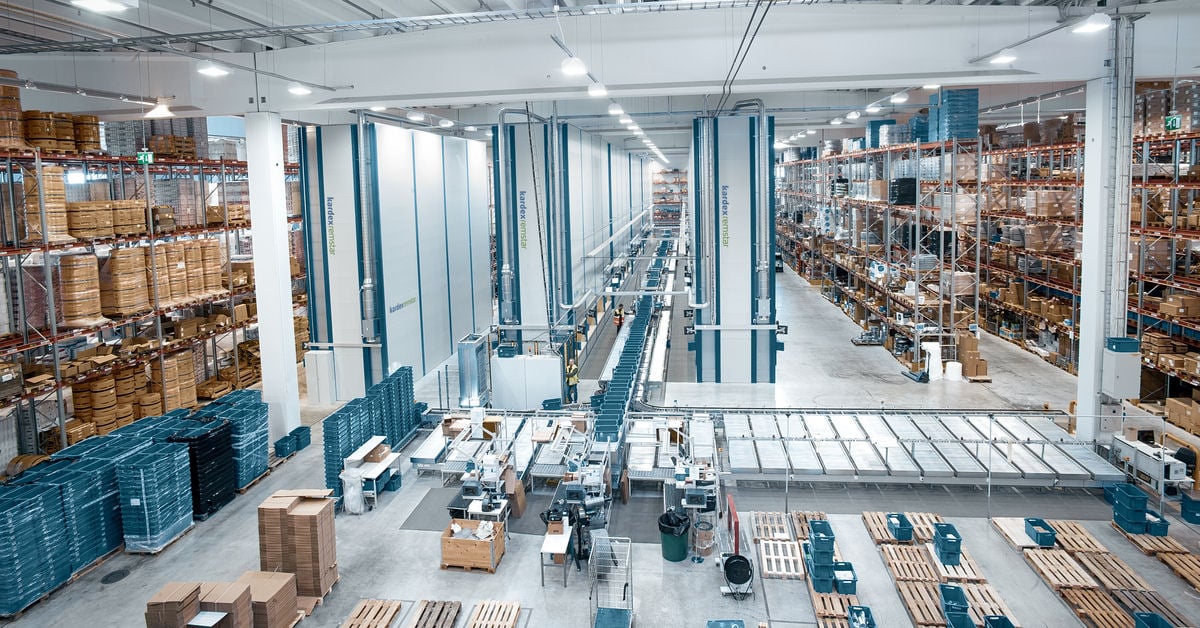
Warehouses today are under pressure. Customers want fast shipping, accurate orders, and real-time updates. To meet these demands, many businesses are turning to smart tools like ASRS systems (automated storage and retrieval systems) and robotic picking systems.
These tools are part of modern warehouse automation. They help move, store, and pick items without relying on manual labor alone. Instead of workers walking long distances or searching for products, machines handle most of the work.
But the real power comes when these systems work together. When combined, ASRS systems and robotic picking systems create a smooth and efficient workflow that saves time and reduces errors.
In this article, we’ll explain how these systems work, how they connect, and why they are so important in modern warehouses.
What Are ASRS Systems and Robotic Picking Systems?
A Simple Explanation of Each System
An ASRS system (automated storage and retrieval system) is a system that automatically stores and retrieves goods. It uses machines like cranes, shuttles, or lifts to place items into racks and bring them back when needed.
A robotic picking system uses robots to select items for customer orders. These robots can pick products from bins, shelves, or conveyors and prepare them for packing.
Both systems reduce manual work and improve efficiency.
How These Technologies Work Together
These systems are usually controlled by a warehouse management system (WMS). The WMS acts like the brain of the operation.
Here’s how they connect:
- The ASRS system stores items in assigned locations
- When an order is received, the WMS sends a request
- The ASRS retrieves the item and delivers it to a picking area
- The robotic picking system selects the item and prepares the order
This process happens quickly and with very little human input.
Where They Are Commonly Used
You will find these systems in:
- e-commerce fulfillment centers
- retail distribution hubs
- manufacturing warehouses
They are especially useful in high-volume environments where speed matters.
How ASRS Systems Improve Storage and Retrieval
Faster Access to Inventory
In a manual warehouse, workers spend time walking and searching for items. This slows down operations.
With an ASRS system, items are stored in known locations. The system can retrieve them in seconds. This speeds up the entire process.
Better Use of Space
ASRS systems use vertical storage. Instead of spreading items across the floor, they store them upward.
This allows warehouses to:
- store more products
- reduce clutter
- use space more efficiently
Improved Inventory Accuracy
Tracking inventory manually can lead to mistakes. Items can be misplaced or counted incorrectly.
An automated storage and retrieval system tracks every item digitally. This improves accuracy and ensures that inventory data is always up to date.
How Robotic Picking Systems Improve Order Fulfillment
Speeding Up Order Processing
A robotic picking system can pick items much faster than a human worker. Robots do not get exhausted and they can work without getting tired.
This helps warehouses process more orders in less time.
Reducing Human Error
Mistakes in picking can lead to wrong orders and unhappy customers.
Robots follow programmed instructions. This means they:
- pick the correct items
- reduce errors
- improve customer satisfaction
Supporting High-Demand Operations
During peak times, such as holidays, order volumes increase.
Robotic systems can handle this demand without slowing down. This makes them a strong solution for growing businesses.
How ASRS and Robotic Picking Systems Work Together
Seamless Workflow Integration
When combined, these systems create a connected workflow.
The ASRS system brings items to a picking station. Then, the robotic picking system selects the items and prepares them for shipment.
This reduces delays and keeps operations flowing smoothly.
Real-Time Data and Coordination
Both systems rely on real-time data from the warehouse management system (WMS).
The WMS:
- tracks inventory levels
- manages order flow
- directs machines and robots
This ensures that every step is coordinated.
Reduced Labor and Increased Efficiency
Automation reduces the need for manual labor.
Instead of performing repetitive tasks, workers can focus on:
- monitoring systems
- solving problems
- improving processes
This increases overall efficiency.
Benefits of Combining ASRS and Robotic Picking Systems
Increased Efficiency and Productivity
Automation speeds up storage, retrieval, and picking. This leads to faster order fulfillment and better performance.
Lower Operating Costs
While automation requires an initial investment, it reduces long-term costs.
Businesses save money on:
- labor
- errors
- delays
Better Workplace Safety
Manual handling can lead to injuries. Heavy lifting and repetitive tasks are common risks.
Material handling Automation reduces these risks by letting machines handle physical work.
How to Choose the Right Automation Solution
Understanding Your Warehouse Needs
Every warehouse is different. You should consider:
- product types
- order volume
- available space
This helps you choose the right combination of systems.
Budget and Scalability
Start with a system that fits your current budget. At the same time, choose a solution that can grow with your business.
Scalable systems allow you to expand without starting over.
Integration with Existing Systems
Your automation tools should work well with your current setup.
Make sure they can connect with your warehouse management system (WMS) and other software.
Common Challenges and How to Overcome Them
High Initial Investment
Automation systems can be costly at first. However, the long-term savings often outweigh the initial expense.
Training and Adaptation
Employees may need time to learn new systems.
Providing proper training ensures a smooth transition.
System Maintenance
Regular maintenance is necessary to keep systems running efficiently.
This includes:
- software updates
- equipment checks
- technical support
Conclusion
Modern warehouses need to be fast, accurate, and efficient. This is why many businesses are turning to ASRS systems (automated storage and retrieval systems) and robotic picking systems.
On their own, each system offers strong benefits. But when they work together, they create a powerful automation solution. The ASRS system manages storage and retrieval, while the robotic picking system handles order preparation. Both are guided by a warehouse management system (WMS), which keeps everything connected.
This combination improves productivity, reduces errors, and helps businesses meet growing demand. As technology continues to evolve, these systems will play an even bigger role in shaping the future of warehouse automation.
In simple terms, using these systems together helps build a smarter, faster, and more reliable warehouse.