



A comfortable building depends on a reliable heating and cooling system. In offices, hospitals, warehouses, and retail spaces, the Commercial HVAC System works every day to control temperature, airflow, and indoor comfort. HVAC stands for Heating, Ventilation, and Air Conditioning, and it is one of the most important mechanical systems in any commercial facility.
When these systems are not maintained properly, they can develop problems such as poor airflow, higher energy bills, or uneven temperatures. Over time, small issues may grow into expensive repairs. This is why many building managers rely on a structured Commercial HVAC Maintenance Checklist.
A maintenance checklist helps technicians inspect and service important equipment regularly. Professionals such as Commercial HVAC Contractors, Mechanical Technicians, and specialists in Building Maintenance use these checklists to keep systems running efficiently.
Following a clear maintenance plan can improve system performance, extend equipment lifespan, and maintain healthy Indoor Air Quality. Understanding what is included in a commercial HVAC maintenance checklist can help businesses protect their building systems and reduce unexpected downtime.
Understanding Commercial HVAC Systems
Before exploring the checklist itself, it helps to understand how commercial HVAC systems work and why they require regular maintenance.
What Does a Commercial HVAC System Do?
A Commercial HVAC System manages several important functions inside a building. It controls heating during cold weather, cooling during warm seasons, and ventilation to circulate fresh air.
Large buildings often use complex systems such as:
- Rooftop HVAC Units (RTU)
- Chiller Systems
- Boiler Systems
- Air Handling Units (AHU)
These systems work together to maintain stable indoor temperatures and comfortable working environments.
HVAC systems also help regulate humidity and improve air circulation. This is especially important in facilities where many people gather, such as shopping centers, schools, and hospitals.
Key Components of Commercial HVAC Systems
A typical Commercial Building HVAC System includes many mechanical and electrical parts. Each component plays a role in maintaining indoor climate control.
Some of the key parts include:
- Air Filters
- Thermostats and Control Systems
- Condensers and Evaporator Coils
- Refrigerant Lines
- Ventilation Ductwork
These components must work together smoothly. When one part fails or becomes dirty, it can affect the entire system’s performance.
Why HVAC Systems Are Critical for Commercial Buildings
HVAC systems are essential for both comfort and safety. Proper heating and cooling help employees remain productive and ensure customers feel comfortable inside the building.
In addition, good ventilation supports Indoor Air Quality (IAQ) by removing pollutants and circulating fresh air.
Without regular inspections, HVAC equipment may become less efficient. This can increase energy consumption and lead to costly breakdowns. A maintenance checklist helps prevent these problems by ensuring that each part of the system is inspected regularly.
Why Commercial HVAC Systems Fail
Understanding why HVAC systems fail can help highlight the importance of preventive maintenance.
Lack of Regular Maintenance
One of the most common reasons for Commercial HVAC System Failure is a lack of routine maintenance. Dust, dirt, and debris can accumulate inside equipment over time.
When these materials build up, they can restrict airflow and force the system to work harder. This extra strain may shorten the lifespan of mechanical components.
Regular inspections help technicians identify problems early and prevent unexpected system failures.
Dirty Filters and Blocked Airflow
Air Filters are responsible for trapping dust, pollen, and other airborne particles. When filters become clogged, airflow decreases.
Restricted airflow forces the HVAC system to operate under greater pressure. This can lead to overheating, increased energy use, and reduced system performance.
Replacing or cleaning air filters is one of the most important tasks included in an HVAC maintenance checklist.
Aging Equipment and Mechanical Wear
All mechanical equipment experiences wear over time. Components such as fans, motors, and compressors may gradually lose efficiency.
Older systems may require more frequent maintenance to continue operating safely. Regular inspections allow technicians to monitor equipment condition and recommend upgrades when necessary.
Common Signs of HVAC Problems in Commercial Buildings
Building managers often notice warning signs before a system completely fails.
Uneven Heating or Cooling
One of the most noticeable signs of HVAC issues is uneven temperatures. Some areas of the building may feel too warm, while others remain too cold.
This can happen when Air Distribution Systems are blocked or when equipment struggles to maintain proper airflow.
Rising Energy Bills
When HVAC equipment becomes inefficient, it uses more electricity to maintain the desired temperature.
A sudden increase in energy costs may indicate that the system requires maintenance or repair.
Regular inspections can help improve energy efficiency and lower operating expenses.
Strange Noises or Poor Airflow
Unusual sounds such as rattling, buzzing, or grinding may indicate mechanical problems inside the system.
Poor airflow from vents can also signal issues with Air Handling Units, ductwork, or fan motors.
These warning signs should be inspected promptly to prevent further damage.
Commercial Building HVAC Maintenance Checklist
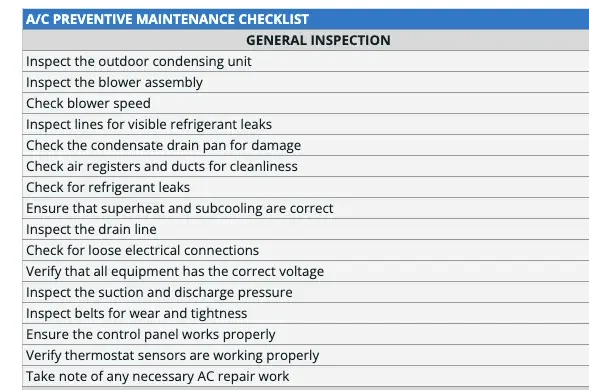
A professional Commercial HVAC Maintenance Checklist ensures that each component of the system is inspected regularly.
Inspecting Air Filters and Ventilation Systems
Air filters should be checked frequently to ensure they remain clean. Dirty filters restrict airflow and reduce indoor air quality.
Technicians may:
- Inspect and replace Air Filters
- Check Ventilation Ductwork for blockages
- Clean dust buildup around air vents
Maintaining clean ventilation systems helps improve air circulation and building comfort.
Checking Thermostats and Control Systems
Thermostats play a key role in regulating indoor temperature. If thermostats malfunction, the system may not respond correctly.
During maintenance inspections, technicians may:
- Test thermostat accuracy
- Inspect Building Automation Systems (BAS)
- Ensure temperature sensors function properly
These checks help maintain consistent climate control throughout the building.
Inspecting Refrigerant Levels and Mechanical Parts
Refrigerant is essential for the cooling process in air conditioning systems.
Technicians often inspect:
- Refrigerant Levels
- Evaporator Coils
- Condensers
- Compressor Units
Low refrigerant levels can reduce cooling performance and increase energy consumption. Checking these components helps keep the system operating efficiently.
Benefits of Preventive HVAC Maintenance
Regular maintenance offers many advantages for commercial facilities.
Improved Energy Efficiency
A well-maintained Commercial HVAC System operates more efficiently. Clean components allow air and refrigerant to flow properly through the system.
This improved performance can lower energy costs and reduce strain on mechanical equipment.
Longer Equipment Lifespan
Routine maintenance helps extend the lifespan of HVAC equipment. By identifying small problems early, technicians can prevent major system damage.
Replacing worn parts before failure can help avoid expensive equipment replacements.
Better Indoor Comfort for Occupants
Consistent heating, cooling, and ventilation create a comfortable environment for employees and visitors.
Regular maintenance ensures that Air Handling Units, Rooftop HVAC Units, and other equipment continue delivering reliable climate control.
This helps maintain productivity and customer satisfaction in commercial spaces.
Conclusion: The Importance of an HVAC Maintenance Checklist
A Commercial Building HVAC Maintenance Checklist is an essential tool for keeping heating and cooling systems operating smoothly. These systems are responsible for maintaining indoor comfort, supporting air quality, and ensuring efficient building operations.
Routine inspections of Air Filters, Thermostats, Refrigerant Systems, and Air Handling Units help prevent many common HVAC problems. Preventive maintenance also reduces energy consumption and extends the life of important equipment.
Building owners and facility managers who follow structured maintenance plans can avoid unexpected system failures and costly repairs. By working with trained Commercial HVAC Contractors, businesses can ensure that their HVAC systems continue operating safely and efficiently.
In modern commercial facilities, a well-maintained HVAC system is not just a convenience—it is a critical part of maintaining a comfortable, healthy, and productive building environment.