




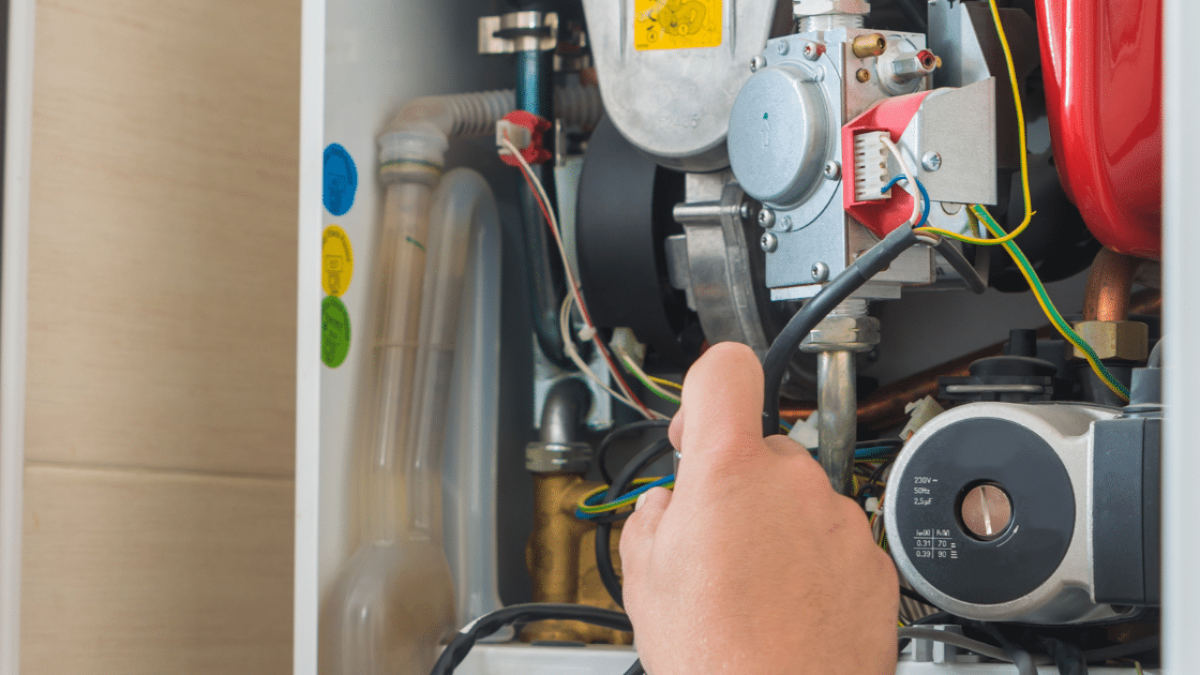
A furnace is meant to keep your home warm, quiet, and comfortable. But when it starts making strange noises, blowing cold air, or heating rooms unevenly, it can quickly become frustrating. These problems can make your home feel uncomfortable, especially during cold weather when you rely on your heating system the most.
The good news is that these issues are very common. In many cases, they are caused by small problems that can be fixed easily. However, if ignored, they can turn into bigger and more expensive repairs.
In this guide, we’ll explain everything in simple terms. You’ll learn why your furnace may be making noise, why it could be blowing cold air, and what causes uneven heating in your home. We’ll also share easy fixes and tips to prevent these issues in the future.
Why Is My Furnace Making Noise?
What Types of Furnace Noises Should You Watch For?
A furnace is not completely silent. It may make a soft humming sound when running. But loud or unusual noises are not normal and should not be ignored.
Here are some common furnace noises and what they usually mean:
- Banging or popping: This can happen when metal parts expand as they heat up. It may also point to delayed ignition, which can be unsafe.
- Whistling: This is often caused by restricted airflow, usually due to a dirty air filter or blocked vents.
- Rattling: This may mean loose screws or panels inside the unit.
- Squealing: This often indicates a worn-out belt or motor problem.
- Clicking: Some clicking is normal, but repeated clicking may signal an ignition issue.
Each sound gives a clue about what’s happening inside your furnace.
How Dirty Filters and Airflow Problems Cause Noise
One of the most common causes of furnace noise is a dirty air filter. When the filter is clogged, air cannot flow properly through the system. This creates pressure, which leads to whistling or humming sounds.
Blocked vents can also cause similar problems. If warm air cannot move freely, your furnace has to work harder. This can increase noise and reduce efficiency.
Over time, dust and debris can build up inside the system. This affects moving parts and can lead to rattling or grinding sounds.
Simple Ways to Fix Furnace Noise
Before calling a professional, you can try a few simple fixes:
- Remove your air filter if it looks dirty
- Look if all vents are open and not blocked
- Tighten any loose panels or screws
- Check for objects near the furnace that may cause vibration
If the noise continues or gets worse, it’s best to contact a professional technician. Ignoring strange sounds can lead to bigger problems later.
Why Is My Furnace Blowing Cold Air?
Common Reasons Your Furnace Is Not Producing Heat
If your furnace is running but blowing cold air, it can feel like it’s not working at all. However, this issue is often caused by simple problems.
One common reason is incorrect thermostat settings. If the fan is set to “on,” it may blow air even when the furnace is not heating.
Another reason is a dirty air filter. When airflow is blocked, the furnace may overheat and shut off the burner. This leaves only the fan running, which blows cold air.
Problems with the ignition system can also prevent the furnace from producing heat. If the burner does not light properly, no warm air is generated.
How Thermostat and Airflow Issues Affect Heating
Your thermostat plays a key role in how your furnace works. If it is not set correctly, your heating system may not function properly.
Always check:
- The thermostat is all set to “heat”
- The temperature is bit higher than the current room temperature at the moment.
- The fan setting is on “auto” instead of “on”
Airflow is just as important. A clogged air filter or blocked vents can reduce the amount of warm air reaching your rooms.
Easy Fixes for a Furnace Blowing Cold Air
You can try these simple steps:
- Replace the air filter
- Adjust thermostat settings
- Check circuit breakers or power supply
- Ensure vents are clean and open
If these steps don’t fix the problem, it may be time to call a professional. Issues with burners, sensors, or internal parts require expert handling.
Why Is Heating Uneven in My Home?
What Causes Some Rooms to Feel Warmer Than Others?
Uneven heating is when one part of your home feels warm, while another stays cold. This can make your home uncomfortable and difficult to manage.
This problem is usually caused by poor airflow or issues with your duct system.
Some common reasons include:
- Blocked or closed vents
- Leaky or damaged ductwork
- Poor insulation in certain rooms
- Incorrect thermostat placement
How Ductwork Problems Affect Your Furnace System
Your duct system carries warm air from the furnace to each room. If there are leaks or blockages, air may not reach certain areas.
In some cases, warm air escapes before it reaches its destination. This leads to cold spots in your home.
Old or poorly designed duct systems can also cause uneven heating. Homes with multiple floors often face this issue more often.
Simple Ways to Fix Uneven Heating
You can improve heating balance with these tips:
- Open all vents and registers
- Move furniture away from vents
- Use ceiling fans to circulate warm air
- Seal leaks in ducts if possible
If the problem continues, a professional inspection may be needed to fix airflow or duct issues.
Common Furnace Problems and How to Prevent Them
Why Regular Furnace Maintenance Matters
Regular furnace maintenance is one of the most effective ways to prevent common issues. It helps keep your system clean, improves performance, and ensures it runs efficiently throughout the season.
A well-maintained furnace:
- Produces consistent heat
- Makes less noise
- Uses less energy
- Lasts longer
Skipping maintenance can lead to breakdowns and costly repairs.
Simple Maintenance Tips for Homeowners
You don’t need to be an expert to take care of your furnace. Here are some easy steps:
- Change air filters every 1–3 months
- Keep vents and registers clean
- Check thermostat settings regularly
- Schedule yearly inspections
These small actions can make a big difference in performance.
Safety Tips You Should Always Follow
Safety is very important when using a heating system.
Follow these tips:
- Install carbon monoxide detectors
- Never block airflow around the furnace
- Avoid DIY repairs for complex issues
If something feels wrong, always contact a professional.
Signs Your Furnace Needs Immediate Attention
Warning Signs You Should Not Ignore
Some furnace problems need quick action. Watch for these signs:
- Loud or unusual noises
- Cold air blowing from vents
- Furnace turning on and off frequently
- Weak airflow
These issues often mean something is wrong inside the system.
High Energy Bills and Poor Performance
If your energy bills suddenly increase, your furnace may be working harder than it should. This is often a sign of reduced efficiency.
Poor heating performance is another warning sign. If your home is not staying warm, your furnace may need repair.
When It’s Time to Call a Professional
You should contact a technician if you notice:
- Burning smells
- No heat at all
- System not turning on
Professional help ensures the problem is fixed safely and correctly.
How to Keep Your Furnace Running Smoothly All Winter
Build a Simple Maintenance Routine
Creating a routine can help you avoid most furnace issues.
Set reminders to:
- Replace filters
- Check vents
- Inspect thermostat settings
Consistency is key to keeping your system in good shape.
Benefits of Taking Care of Your Furnace
A well-maintained furnace offers many benefits:
- Better comfort in your home
- Lower energy costs
- Fewer unexpected repairs
- Longer system lifespan
Taking care of your furnace saves money and stress in the long run.
Conclusion
A furnace that makes noise, blows cold air, or heats unevenly can make your home uncomfortable. These problems are common, but they should not be ignored.
Most issues are caused by simple things like dirty filters, blocked vents, or thermostat settings. Fixing these early can improve your heating system and prevent bigger problems.
Regular maintenance is the best way to keep your furnace working properly. It helps your system run efficiently and keeps your home warm and safe.
If problems continue, don’t wait too long. A professional technician can diagnose and fix the issue before it gets worse.
By taking care of your furnace, you can enjoy a warm, comfortable home all winter long without stress or unexpected surprises.