


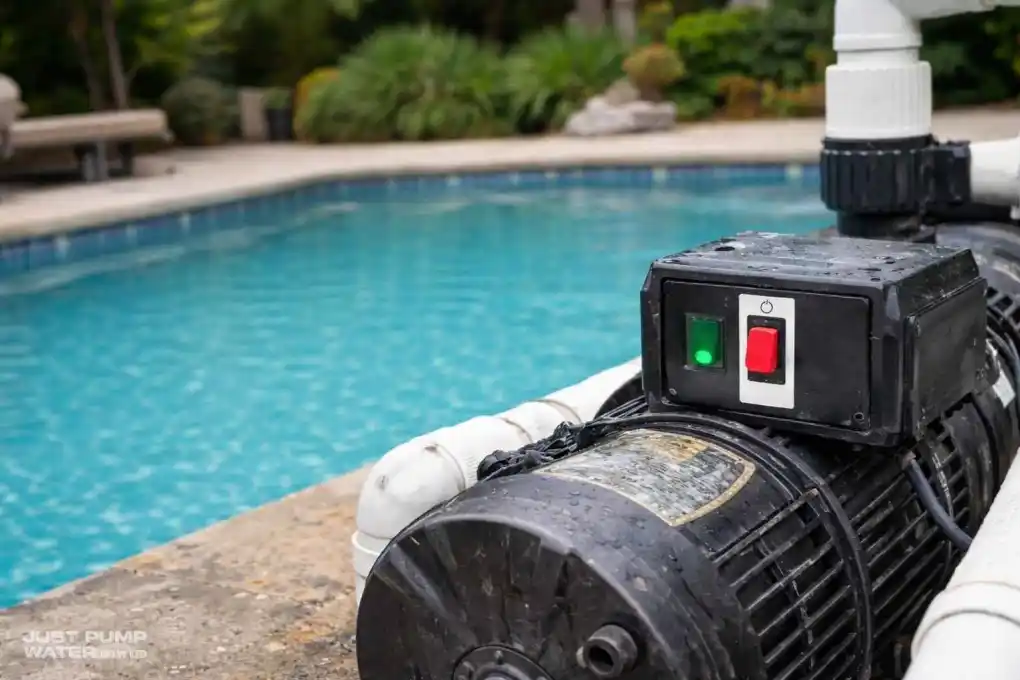
A swimming pool pump is one of the most important parts of any pool circulation system. The pump moves water through the pool filter, pushes it through the pool plumbing, and returns clean water back into the pool. When the pump works correctly, it keeps the pool water clean, clear, and properly balanced.
Sometimes, however, pool owners notice a confusing problem. The pool pump motor is running, but the water in the pool is not moving. The skimmer may not be pulling water, and the return jets may feel weak or completely inactive. Even though the equipment appears to be working, the pool water is not circulating.
This situation often indicates a problem somewhere in the pool circulation system. Issues such as air leaks, clogged filters, blocked pump baskets, or impeller damage can prevent water from moving through the system.
Understanding why a pool pump runs but does not circulate water can help pool owners identify potential problems early. In many cases, the issue can be diagnosed by examining several common causes related to pool equipment, filtration systems, and plumbing components.
What Stops a Pool Pump From Moving Water Through the System?
When a pool pump runs but fails to circulate water, it usually means that something is blocking or interrupting the flow of water through the system.
Power Supply and Electrical Problems
Even though the pool pump motor may appear to be running, electrical problems can sometimes affect its performance. A weak electrical connection or malfunctioning pool timer can cause the pump to operate inefficiently.
If the motor runs but does not reach proper power levels, the pump may not generate enough pressure to move water through the pool filtration system.
Electrical issues can also affect variable speed pool pumps, which rely on electronic controllers to regulate water flow.
Blocked Pool Filters or Pump Baskets
Another common cause of poor water circulation is a clogged pool filter or pump basket.
Debris such as leaves, dirt, and insects can accumulate in the skimmer basket or pump strainer basket. When these baskets become full, water cannot flow freely into the pump.
Similarly, a dirty pool filter can restrict water movement through the filtration system. If the filter becomes too clogged, the pump struggles to push water through the system.
Regular cleaning of baskets and filters helps maintain proper circulation.
Air Leaks in the Pool Circulation System
Air leaks can also disrupt the pool circulation system.
The pool pump relies on suction to pull water from the pool through the plumbing lines. If air enters the system through loose fittings or damaged seals, the pump may lose suction.
When this happens, the pump may run normally, but water flow becomes weak or stops completely.
Air bubbles in the pump lid or visible bubbles in the pool return jets often indicate a suction-side air leak.
What Causes Pool Pump Failure?
While some circulation problems are minor, others may be signs of deeper pool pump failure.
Worn-Out Pool Pump Motors
Over time, pool pump motors can wear out due to constant use.
Components inside the motor may deteriorate, causing reduced power or inefficient operation. A worn motor may still run but fail to generate enough pressure to circulate water effectively.
Older motors may also produce unusual noises such as grinding or humming sounds.
Overheating Due to Poor Ventilation
Pool pumps rely on proper airflow to prevent overheating. If the pump motor becomes too hot, it may temporarily shut down or operate inefficiently.
Poor ventilation around the pump equipment area can trap heat and cause the motor to overheat.
Overheating can lead to long-term damage to the motor and other pool equipment components.
Damage From Debris or Clogged Impellers
Inside the pool pump housing is a small rotating part called the impeller. The impeller moves water through the pump and into the filtration system.
If debris enters the pump, it can become lodged in the impeller. This blockage prevents the impeller from moving water properly.
Even though the motor runs, the pump cannot push water through the system.
Cleaning the impeller often restores normal water flow.
Signs Your Pool Pump May Be Failing
Recognizing early warning signs of pump problems can help prevent larger repairs.
Unusual Noises From the Pump Motor
Strange sounds from the pool pump motor often signal mechanical issues.
Grinding, screeching, or rattling noises may indicate worn bearings or damaged components inside the pump.
Ignoring these sounds can lead to more serious equipment failure.
Weak Water Circulation in the Pool
Weak water flow from pool return jets is another sign of circulation problems.
If water barely moves through the system, the pump may be struggling to maintain proper pressure.
Poor circulation can also affect pool water quality, allowing debris and contaminants to build up.
The Pump Turning Off Unexpectedly
Some pool pumps shut off automatically when they overheat.
If the pump turns off repeatedly, it may be experiencing electrical issues or internal motor problems.
These symptoms often require inspection by pool equipment repair professionals.
How Pool Equipment Problems Affect Pump Performance
A pool pump works together with several other components. When one part of the system fails, it can affect overall circulation.
Clogged Pool Filters and Plumbing Issues
A pool filtration system removes dirt and debris from circulating water.
When filters become clogged, they restrict water movement. This forces the pump to work harder while reducing water flow.
Blocked pool plumbing lines can create similar circulation problems.
Routine maintenance of filters and pipes helps prevent these issues.
Faulty Pool Timers or Electrical Systems
Many pool systems rely on automatic timers or control panels to regulate pump operation.
If these systems malfunction, the pump may run at incorrect intervals or power levels.
Electrical problems can also interfere with proper pump performance.
Low Water Levels in the Pool
Low water levels can disrupt the suction required for a pump to operate correctly.
If the pool skimmer draws in air instead of water, the pump loses its ability to circulate water.
Maintaining the correct water level ensures the pump receives enough water to function properly.
When to Call Professional Pool Equipment Repair Services
Some pool pump issues can be identified through basic inspection. However, more complex problems may require professional assistance.
Diagnosing Mechanical Pool Pump Issues
Professional technicians are trained to inspect pool pumps, filters, and circulation systems.
They can diagnose issues related to motor performance, electrical systems, or internal components.
This detailed evaluation helps identify the root cause of the problem.
Repairing or Replacing Pool Pump Motors
If a pool pump motor becomes damaged or worn out, repair or replacement may be necessary.
Technicians can determine whether repairing the motor is practical or if installing a new pump would be more efficient.
Upgrading to modern energy-efficient pool pumps may also improve long-term performance.
Preventative Maintenance for Pool Equipment
Routine maintenance helps prevent many circulation problems.
Professional services often include inspection of pool pumps, cleaning of filters, and testing of circulation systems.
Preventative care ensures that pool equipment operates efficiently throughout the swimming season.
Conclusion
A pool pump running without circulating water can be frustrating for pool owners. Even though the motor may appear to work, problems within the pool circulation system can prevent water from moving through the filter and back into the pool.
Common causes include clogged pump baskets, blocked filters, air leaks, and impeller obstructions. In some cases, deeper issues such as motor wear, overheating, or plumbing problems may be responsible.
Recognizing early warning signs—such as weak water flow, unusual pump noises, or air bubbles in the system—can help identify circulation issues before they become serious.
Regular maintenance of pool equipment, including cleaning filters and inspecting pump components, plays an important role in keeping the pool system operating smoothly.
When problems persist, professional pool equipment repair services can diagnose and resolve mechanical or electrical issues.
By understanding how pool pumps, filtration systems, and circulation components work together, pool owners can better maintain their equipment and ensure clean, healthy pool water throughout the swimming season.