




The landscape of science education in the United States has shifted significantly over the last decade. With the implementation of more rigorous standards, students are often expected to master complex concepts in biology, chemistry, and physics at an accelerated pace. Balancing laboratory reports, theoretical research, and cumulative exams requires not only dedication but also a strategic approach to time management.
Key Takeaways
- Strategic Planning: Breaking down complex science projects into milestones reduces cognitive load and improves submission quality.
- Resource Utilization: Leveraging professional tools and expert mentorship is a standard practice for maintaining a high GPA in competitive STEM programs.
- Precision in Writing: Success in U.S. science curriculums depends on adhering to strict formatting (APA/CSE) and technical accuracy.
- Data-Driven Support: Statistics show that students who engage with structured academic assistance report a 30% increase in conceptual clarity.
The Increasing Complexity of STEM Curriculums
Modern STEM programs across American universities prioritize critical thinking and data analysis over rote memorization. Whether it is understanding the nuances of molecular biology or calculating gravitational constants in physics, the workload can become overwhelming. Many students find that professional academic support is a practical way to maintain high standards while managing a full course load. When the pressure of deadlines mounts, some students choose to pay for assignment help to ensure their technical reports meet specific rubric requirements.
Common Hurdles in Science Paper Writing
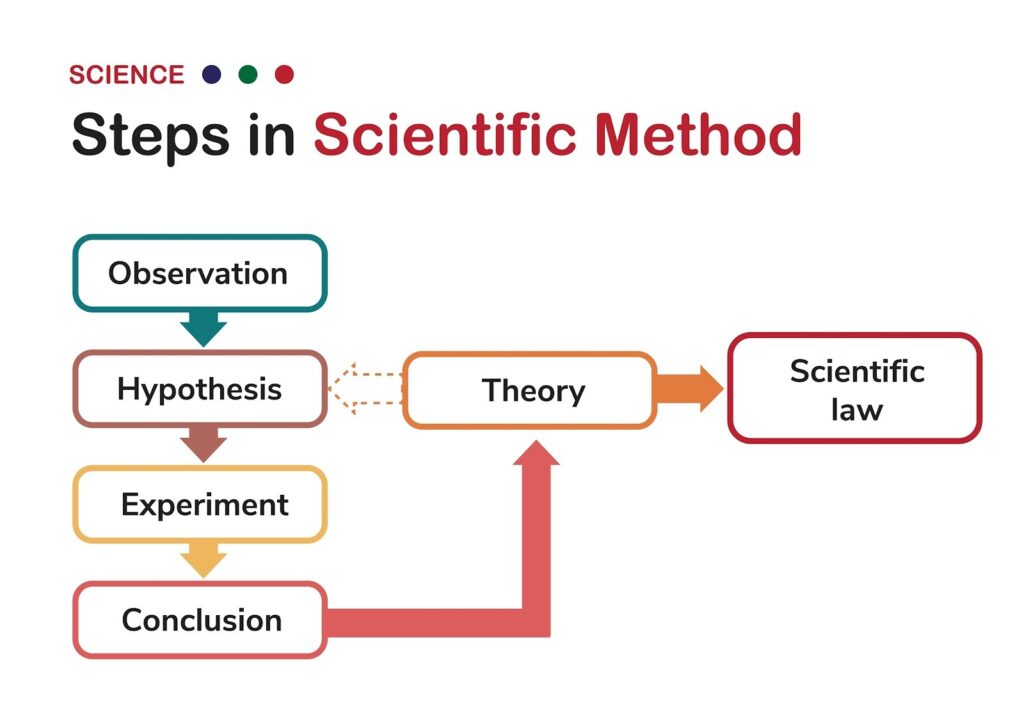
Writing a high-quality science assignment involves more than just stating facts. It requires a clear hypothesis, a structured methodology, and a logical conclusion backed by empirical evidence.
| Challenge | Impact on Students | Solution Strategy |
| Data Interpretation | Misreading experimental results leads to incorrect conclusions. | Use visual aids like graphs and charts to clarify data. |
| Technical Vocabulary | Using imprecise terminology lowers the academic tone. | Consult peer-reviewed journals for field-specific language. |
| Formatting Standards | Specific styles (APA, CSE) are often strictly enforced. | Use citation generators or expert templates. |
Case Study: Improving Academic Performance in Organic Chemistry
Background: A junior student at a major U.S. university was struggling with the “synthesis and reaction” module of Organic Chemistry II. Despite attending all lectures, the student’s average score on laboratory reports remained at 65%, primarily due to errors in mechanism drawings and structural analysis.
Intervention: The student opted for a structured academic assistance program. This included:
- Expert Review: A subject matter specialist reviewed the student’s previous drafts to identify recurring logical fallacies.
- Step-by-Step Guidance: Provision of detailed templates for reaction mechanisms.
- Data Validation: Ensuring that all spectroscopic data (NMR and IR) matched the theoretical predictions.
Results: Within six weeks, the student’s report scores rose to an average of 88%. The student reported that having a professionally guided “model” to follow helped them internalize the complex spatial reasoning required for the course, ultimately leading to a grade of ‘A’ in the final examination.
The Value of Expert Mentorship
Sometimes, a textbook is not enough to explain a difficult concept like quantum entanglement or metabolic pathways. In these instances, seeking guidance from those with advanced degrees in the field can provide a new perspective. Professional academic assistance serves as a bridge, helping students understand how to apply theoretical knowledge to practical problems. This level of support ensures that every submission is technically accurate and formatted according to the latest institutional guidelines.
Frequently Asked Questions (FAQs)
Q: Is it common for U.S. students to use professional academic assistance?
Yes. Many students in high-pressure STEM fields use external tutoring and editing services to supplement their learning and ensure their technical writing meets university standards.
Q: How can I improve my grades in a lab-based science course?
Focus on the “Results” and “Discussion” sections. Ensure your data is presented in clear tables and that your discussion explains why the results occurred, rather than just stating what happened.
Q: What are the most common formatting styles for science assignments?
In the U.S., the American Psychological Association (APA) style is common for social sciences, while the Council of Science Editors (CSE) or American Chemical Society (ACS) styles are used for physical and natural sciences.
Q: Can academic help improve my understanding of the subject?
Absolutely. By reviewing professionally drafted samples and explanations, students often find that difficult concepts become much clearer than they were during a standard lecture.
Conclusion
By focusing on organization and seeking the right resources, students can navigate the complexities of their science courses with confidence and academic integrity. Maintaining a balance between self-study and expert guidance is the most effective path to long-term success in the American educational system.
Author Bio
Dr. Sarah Mitchell is a seasoned academic consultant and lead strategist who specializes in developing high-impact educational resources for students across the United States. With a background in content architecture and a focus on STEM accessibility, she collaborates with the team at MyAssignmentHelp to provide data-driven insights and technical writing guidance. Her work is dedicated to helping students bridge the gap between complex theoretical concepts and practical academic excellence.