




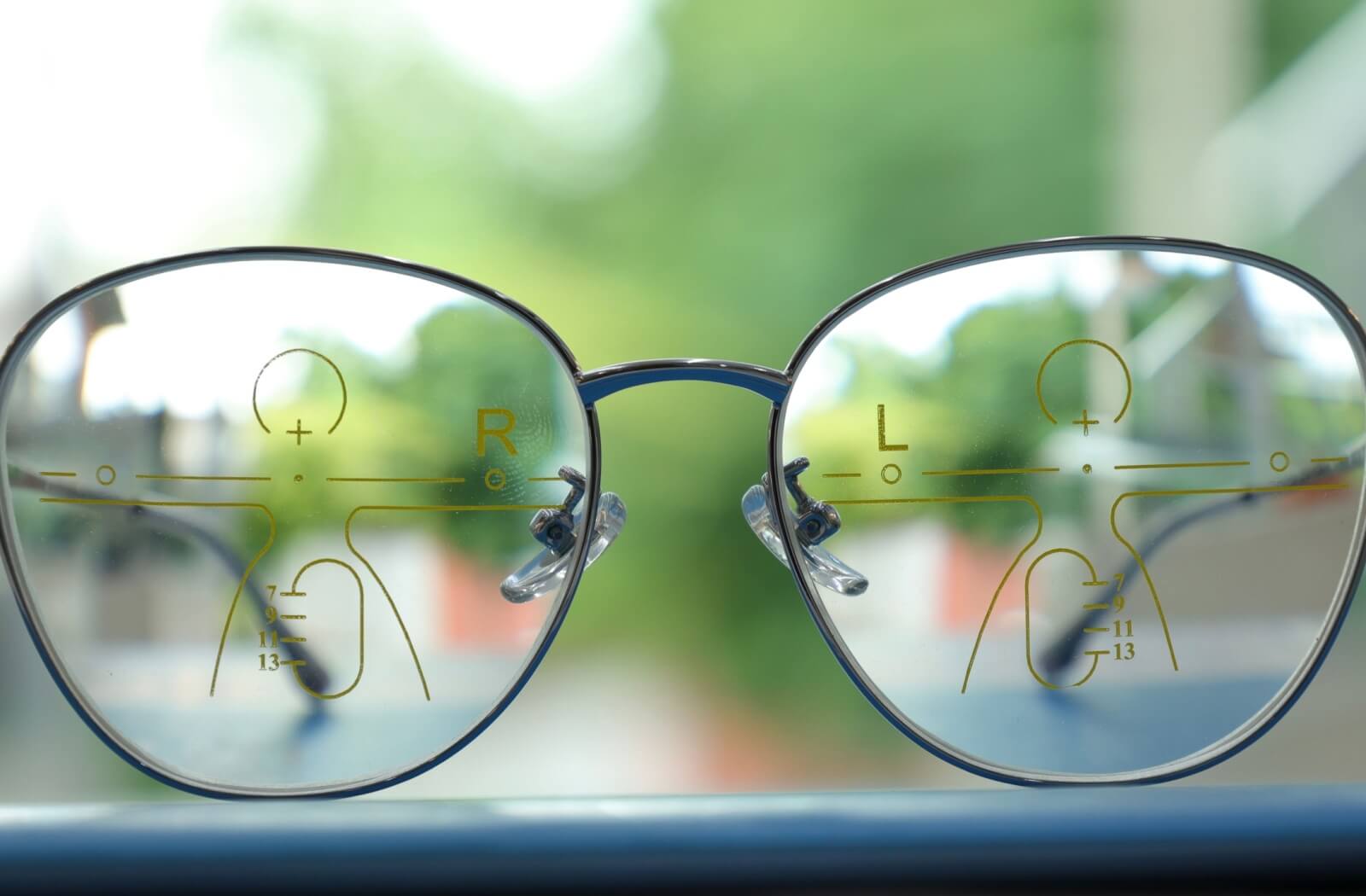
Clear, comfortable vision is not just about seeing well—it is about living well. From reading a text message to driving at night, your eyes work all day. Over time, changes like presbyopia and increased screen use can make everyday tasks harder. You may notice blurred vision, eye fatigue, or frequent headaches. These issues can affect both your productivity and your quality of life.
Modern eyewear solutions such as progressive lenses, bifocal glasses, and blue light glasses are designed to solve these problems. Each option targets specific vision needs while improving overall comfort. When properly prescribed and fitted by a licensed optometrist or trained optician, these lenses can transform how you see and feel throughout the day.
In this guide, we take a deeper, professional look at how these eyewear options work, who they are best for, and how they improve daily vision comfort.
Understanding Your Vision Needs
Why Your Eyes Change Over Time
As part of the natural aging process, the eye’s lens gradually loses its flexibility, making it harder to focus on nearby objects.This condition, known as presbyopia, reduces your ability to focus on nearby objects. It typically begins in your early to mid-40s and progresses gradually.
From a clinical standpoint, this happens because the ciliary muscles weaken and the lens stiffens. As a result, your eyes cannot adjust focus as easily between near and distant objects.
Common symptoms include:
- Difficulty reading small print
- Holding reading material farther away
- Eye fatigue after prolonged close work
Understanding this change is key to choosing the right corrective solution.
Signs You May Need Multifocal Lenses
When your vision needs to extend across multiple distances, single-vision lenses are often not enough. This is where multifocal lenses—including progressive lenses and bifocal glasses—become essential.
Professionally, patients who benefit from multifocal correction often report:
- Blurred vision at varying distances
- Frequent switching between glasses
- Reduced visual efficiency during tasks
A comprehensive eye exam by an optometrist helps determine the exact level of correction needed.
When Screen Use Starts Affecting Your Vision
In today’s digital world, prolonged exposure to screens has introduced a new challenge: digital eye strain, also known as computer vision syndrome. This condition is linked to extended exposure to blue light emitted by digital devices.
Clinical symptoms include:
- Dry, irritated eyes
- Headaches and blurred vision
- Difficulty maintaining focus
- Disrupted sleep due to reduced melatonin production
Addressing these symptoms early with proper eyewear can significantly improve comfort and long-term eye health.
Progressive Lenses for Everyday Comfort
What Are Progressive Lenses?
Progressive lenses are advanced multifocal lenses that provide a seamless transition between different viewing distances—near, intermediate, and far. Unlike traditional lenses, they do not have visible lines, offering both aesthetic and functional advantages.
From a design perspective, progressive lenses use a gradient of increasing lens power. This allows users to move naturally between tasks without switching glasses.
Who Benefits Most from Progressive Lenses
Progressive lenses are particularly beneficial for individuals with presbyopia who require correction at multiple distances. They are widely recommended in modern optometric practice due to their versatility.
Ideal candidates include:
- Professionals using computers and reading documents
- Individuals who drive frequently
- Users seeking a single, all-purpose eyewear solution
How Progressive Lens Fitting Works
Proper fitting is critical for the success of progressive lenses. A skilled optician performs precise measurements to ensure optimal lens alignment.
Key measurements include:
- Pupillary distance (PD)
- Segment height
- Frame positioning on the face
Advanced optical practices may also use digital fitting systems to enhance accuracy. Poor fitting can lead to distortion, dizziness, or limited visual fields, making professional expertise essential.
Tips to Adjust to Progressive Glasses
Adaptation to progressive lenses typically takes a few days to a couple of weeks. During this period, the brain learns to interpret the different visual zones.
Professional recommendations include:
- Wear the glasses consistently throughout the day
- Use head movements to align your vision
- Avoid switching back to old glasses
With proper guidance, most users achieve full adaptation and enjoy smooth, natural vision.
Bifocal Glasses for Clear Near and Far Vision
What Makes Bifocal Lenses Different
Bifocal prescription glasses are designed with two distinct optical zones: one for distance vision and one for near tasks. The separation is marked by a visible line on the lens.
This traditional design remains clinically effective, especially for patients who prefer clearly defined vision zones.
When Bifocals Are a Good Choice
Bifocals are often recommended for individuals with presbyopia who require a straightforward and reliable solution. They are particularly useful for tasks that involve frequent switching between near and distant focus.
Suitable users include:
- Readers and hobbyists
- Individuals less comfortable with progressive adaptation
- Patients seeking cost-effective solutions
Benefits of Professional Bifocal Fitting
Accurate placement of the bifocal segment is essential. A trained optician ensures that the reading portion aligns correctly with your natural line of sight.
Professional fitting provides:
- Improved posture and reduced neck strain
- Clearer and more stable vision
- Enhanced comfort during prolonged use
Common Issues and Easy Fixes
Some users experience image “jump” when transitioning between lens zones. This is a known optical effect in bifocals.
Professional solutions include:
- Adjusting frame position
- Refining segment height
- Providing usage training
With proper adjustments, most users adapt quickly and comfortably.
Blue Light Glasses for Digital Eye Protection
What Is Blue Light and Why It Matters
Blue light is a type of high-energy visible light that is commonly emitted by digital screens such as phones, computers, and televisions.While natural blue light from the sun is beneficial, excessive exposure from devices can strain the eyes.
It also affects the body’s circadian rhythm by suppressing melatonin, leading to sleep disturbances.
Signs of Digital Eye Strain
Digital eye strain is increasingly common across all age groups. From a clinical perspective, it results from reduced blinking and prolonged focus on screens.
Symptoms include:
- Eye dryness and irritation
- Blurred or fluctuating vision
- Headaches and fatigue
How Blue Light Prescription Glasses Help
Blue light glasses are designed with specialized coatings that filter or absorb harmful wavelengths. When combined with a prescription, they enhance both clarity and comfort.
Key benefits:
- Reduced glare and improved contrast
- Lower eye fatigue during screen use
- Better sleep quality
Who Should Consider Blue Light Lenses
Blue light protection is recommended for:
- Office workers and remote professionals
- Students engaged in digital learning
- Gamers and content creators
Even individuals without prescription needs can benefit from non-prescription blue light lenses.
Choosing the Right Eyewear for Your Lifestyle
Work vs Home Vision Needs
Your visual demands vary throughout the day. A professional evaluation considers your lifestyle, occupation, and habits.
For example:
- Office workers benefit from blue light lenses
- Active individuals prefer progressive lenses
- Readers may choose bifocals
Combining Comfort and Style
Modern eyewear combines optical precision with aesthetic appeal. Frames are available in various materials, including acetate, titanium, and stainless steel.
Selecting the right frame enhances both comfort and personal style.
Custom Lens Options Explained
Advanced lens technologies can further improve performance:
- Anti-reflective coatings reduce glare
- UV protection shields against harmful rays
- Scratch-resistant coatings increase durability
Customization ensures your glasses meet both functional and lifestyle needs.
Professional Fitting Makes the Difference
Why Accurate Measurements Matter
Precision in measurements directly impacts visual performance. Even minor errors can lead to discomfort or reduced clarity.
How Opticians Ensure Proper Fit
A licensed optician evaluates:
- Frame alignment
- Lens positioning
- Facial symmetry
This ensures your eyewear functions as intended.
Adjustments for Long-Term Comfort
Eyewear requires periodic adjustments. Regular visits help maintain optimal fit and performance over time.
Caring for Your Glasses and Eyes
Cleaning and Maintenance Tips
Proper care extends the life of your lenses. Use approved cleaning solutions and microfiber cloths to avoid damage.
When to Update Your Prescription
Routine eye exams with an optometrist are essential. Changes in vision can occur gradually and may go unnoticed without regular checkups.
Protecting Your Eyes Daily
Healthy habits support long-term eye health:
- Follow the 20-20-20 rule for screen breaks
- Maintain proper lighting
- Wear protective eyewear outdoors
Conclusion
Modern vision challenges require modern solutions. Progressive lenses, bifocal glasses, and blue light glasses each play a vital role in improving daily vision comfort. Whether addressing age-related changes like presbyopia or reducing digital eye strain, these options offer effective and reliable support.
When guided by a qualified optometrist and properly fitted by an experienced optician, the right eyewear can significantly enhance your quality of life. Investing in the correct lenses is not just about better vision—it is about greater comfort, improved performance, and long-term eye health.