




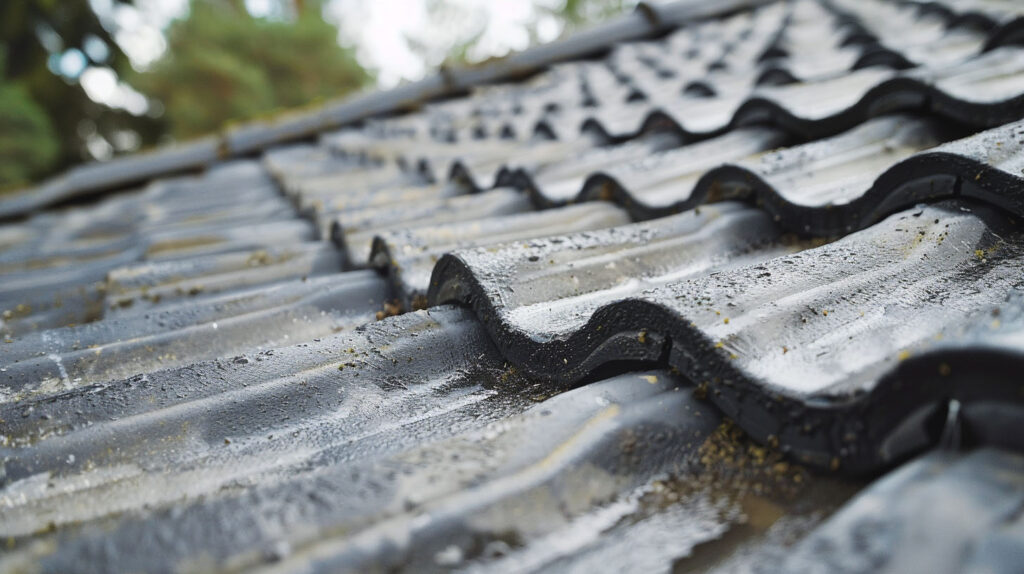
Most roof problems do not start with a dramatic collapse or a steady drip into the middle of the living room. More often than not, they begin with something easy to brush off. A shingle shifts. A small crack opens near the flashing. A vent loosens slightly. Nothing seems urgent, so the repair gets pushed to another week, then another month. The trouble is that roofs rarely reward delay. Once the surface is no longer doing its job, water and weather usually continue to work on that weak spot until the damage spreads.
That is why homeowners who need roof repair cedar city are often better off dealing with a small issue early instead of waiting for obvious interior damage. What looks minor from the ground can become a much bigger repair once moisture reaches the layers beneath the roof surface. By the time a stain appears indoors, the problem has often been active longer than expected.
Small Start
One reason delayed roof repairs become expensive is that roofing systems are built in layers. The outer material is only the first line of defense. Beneath it are other components that help block moisture and protect the home’s structure. When the top layer is compromised, even in a small area, the rest of the system becomes more exposed.
A cracked shingle, for example, may not seem like much at first. But that opening can let in water during rain, or allow wind to keep lifting the surrounding material. The same is true for flashing that has started to separate or sealant that has dried out around a roof penetration. These are not always dramatic failures. Often, they are subtle changes that worsen over time and with exposure.
Water Moves
A lot of homeowners assume a roof leak will show up right below where the water gets in, but that is not always the case. Water can travel before you ever see it. It might run along wood, soak into insulation, or move through the roof structure until it finally shows up somewhere inside the house.
That is why a ceiling stain does not always tell the whole story. By the time you notice it, the moisture may have already spread into the decking, insulation, or framing nearby. What could have been a smaller repair early on can turn into a bigger one simply because the water had more time to move around.
Weather Adds Pressure
Roof damage usually gets worse because the same weak spot keeps taking a hit. The sun can dry materials out and make them crack more easily. Wind can lift edges that have already started to loosen. Rain can slip into gaps that are easy to miss from the ground. When colder weather sets in, older materials can become stiff and more prone to failure.
That is how a small roofing issue can turn into something bigger. It does not always take one major storm to cause serious trouble. Sometimes, normal weather is enough to wear down an already vulnerable area. That is why putting off repairs can end up costing a lot more later.
Hidden Damage
Another issue with waiting too long is that the visible damage is not always the full extent of the damage. A roof can still look mostly intact while the materials underneath are starting to soften or deteriorate. Homeowners may think they are dealing with a surface issue when the real problem has already moved deeper.
Moisture that lingers below the surface can affect more than the roof itself. Insulation can become less effective once it gets wet. Wood can weaken if it stays damp. Indoor air quality can also suffer if moisture remains trapped long enough for mold or mildew to develop. At that stage, the repair may involve more than replacing a few roofing materials. It may also require work on the underlying structure or interior finishes.
Repair Scope
This is where delay changes the size of the job. Early on, a roofing contractor may be able to address one problem area and stop the damage before it spreads. That kind of repair is usually more focused. Once the issue has been active for a while, the work often becomes less about the original entry point and more about everything that was affected afterward.
A loose section can turn into damaged underlayment. A slow leak can lead to stained ceilings or compromised insulation. A cracked flashing area can eventually affect the decking around it. The longer the timeline, the more connected materials may need attention. That is why the cost of waiting often climbs faster than people expect.
Warning Signs
There are usually clues before the damage becomes severe. Missing or curling shingles, granules collecting in gutters, soft spots, musty attic smells, water stains, and flashing that no longer sits tight can all signal trouble. Some of these warnings are easy to dismiss because they do not always come with an active leak.
Still, they matter. Roof problems are often easier to control when they are caught at that stage. Waiting for a bigger symptom usually means waiting until more than one part of the roof system has already been affected. If you have noticed changes that seem minor but persistent, it is worth taking them seriously. In many cases, early action is what keeps the repair from expanding.
Why Timing Matters
A roof is supposed to keep problems out of the home. Once it starts letting moisture in, time becomes part of the problem. Every storm, every stretch of heat, and every cycle of drying and dampness gives that weak area another chance to worsen. That is why homeowners looking into roof repair cedar city are usually in a better position when they act before the damage becomes obvious inside.
Conclusion
Putting off roof repairs can let a small issue turn into a much bigger one. What starts as a minor opening or a worn area can lead to water getting in, insulation being damaged, wood weakening, and repairs inside the home that are far more involved than the original problem. The tricky part is that this usually happens quietly. A roof can still look mostly okay while damage is building underneath. Taking care of it early gives you a better chance of keeping the repair simpler and preventing problems that are much harder to fix later.