




Chronic lower back pain can be one of the most difficult conditions to live with. For many patients, the pain doesn’t just affect physical comfort—it interferes with work, sleep, mobility, and overall quality of life. While there are many treatment options available, not all of them provide lasting relief.
One condition that is often overlooked is sacroiliac (SI) joint dysfunction. This joint, located where the spine meets the pelvis, plays a critical role in stability and movement. When it becomes inflamed or unstable, it can lead to persistent pain that is often mistaken for other spinal issues.
In recent years, the iFuse Implant System has emerged as a modern solution for treating SI joint pain. But what exactly makes it different from traditional treatments?
Understanding the Limitations of Traditional Treatments
Before exploring what sets this approach apart, it’s important to understand why many conventional treatments fall short.
Most patients begin with conservative options such as physical therapy, medications, or injections. While these methods can provide temporary relief, they often fail to address the root cause of SI joint dysfunction.
Pain medications may reduce discomfort, but they do not stabilize the joint. Physical therapy can improve strength and mobility, yet it may not fully resolve structural instability. Injections may offer short-term relief, but their effects tend to wear off over time.
In more severe cases, traditional open surgery has been used. However, these procedures can be invasive, require longer recovery periods, and carry higher risks.
This gap between temporary relief and long-term solutions has driven the need for more targeted and effective treatments.
A Minimally Invasive Approach
One of the most important differences is the minimally invasive nature of this procedure.
Unlike traditional open surgeries, which require large incisions and significant tissue disruption, this approach uses a small incision to access the SI joint. This reduces trauma to surrounding muscles and tissues, leading to a more comfortable recovery.
Patients typically experience less post-operative pain and can often return home shortly after the procedure. The reduced invasiveness also lowers the risk of complications, making it a safer option for many individuals.
Focus on Stabilization, Not Just Pain Relief
A key advantage of this treatment is its focus on stabilizing the SI joint.
Many traditional treatments aim to manage symptoms rather than correct the underlying issue. In contrast, this procedure addresses the root cause by securing the joint and limiting abnormal movement.
By stabilizing the joint, it reduces irritation and inflammation, which are major contributors to chronic pain. This leads to more consistent and long-lasting relief compared to temporary solutions.
Use of Specialized Implants
Another factor that sets this treatment apart is the use of specially designed implants.
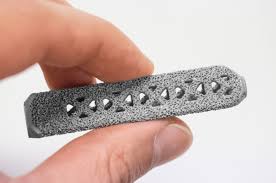
These implants are typically made of strong, lightweight materials such as titanium and are engineered to provide immediate stability. Their unique shape helps prevent movement once they are placed, ensuring that the joint remains secure.
Over time, the implants support the natural fusion process, allowing the bones to grow together and create a stable, permanent solution.
This combination of immediate and long-term support is something that traditional treatments often lack.
Faster Recovery Compared to Traditional Surgery
Recovery time is a major concern for anyone considering a medical procedure.
Traditional open surgeries often require extended hospital stays and long recovery periods. Patients may need weeks or even months before returning to normal activities.
In contrast, this minimally invasive approach allows for a quicker recovery. Many patients are able to resume light activities within a few weeks, depending on their individual healing process.
This faster recovery not only improves the patient experience but also reduces the overall impact on daily life.
Improved Accuracy and Precision
Advancements in medical technology have made this procedure highly precise.
Surgeons use imaging guidance during the procedure to ensure accurate placement of implants. This level of precision reduces the risk of errors and improves overall outcomes.
By targeting the exact source of pain and applying treatment with accuracy, patients benefit from more predictable and reliable results.
Long-Term Effectiveness
One of the biggest concerns with any treatment is whether it will provide lasting relief.
Many conservative treatments require ongoing maintenance. Patients may need repeated injections, continuous therapy, or long-term medication use.
In contrast, this approach is designed to provide a long-term solution. By stabilizing and supporting the joint, it addresses the root cause of pain rather than just managing symptoms.
Clinical outcomes have shown that many patients experience sustained improvement in both pain and function over time.
Patient Selection and Personalized Care
Not every patient with back pain is a candidate for this procedure.
Proper diagnosis is essential to determine whether the SI joint is the true source of pain. This involves a combination of medical history, imaging, and diagnostic tests.
When patients are carefully selected, the results are significantly better. This personalized approach ensures that treatment is both appropriate and effective.
Working with experienced specialists is key to achieving the best possible outcome.
A Shift in How Back Pain Is Treated
The introduction of advanced procedures like the iFuse Implant System represents a broader shift in how chronic pain is managed.
Instead of relying solely on temporary fixes, modern treatments focus on identifying and addressing the underlying cause. This leads to more effective and sustainable results.
Patients now have access to options that were not available in the past, giving them greater control over their health and recovery.
Restoring Quality of Life
Ultimately, the goal of any treatment is to improve quality of life.
Chronic SI joint pain can limit movement, reduce productivity, and affect emotional well-being. When pain is reduced and stability is restored, patients can return to activities they once enjoyed.
Whether it’s walking comfortably, sitting without discomfort, or simply getting through the day without pain, these improvements can make a significant difference.
Final Thoughts
Choosing the right treatment for chronic back pain is not always easy. With so many options available, it can be difficult to know which path to take.
What sets this approach apart is its focus on precision, stability, and long-term results. By addressing the root cause of SI joint dysfunction, it offers a more effective alternative to traditional treatments.
For patients who have struggled with ongoing pain and limited success from other methods, this modern solution may provide the breakthrough they’ve been searching for.
Understanding your condition, exploring your options, and working with experienced professionals are the first steps toward lasting relief.