




Table of Contents
- Introduction: What Are Afruimwagens?
- Etymology & Meaning – Origins of the Term
- History & Evolution of Afruimwagens
- Types of Afruimwagens
- Key Features & Design Elements
- Materials & Durability
- Applications Across Industries
- Benefits of Using Afruimwagens
- How to Choose the Right Afruimwagen
- Maintenance, Hygiene & Safety Considerations
- Accessories & Customizations
- Market Trends & Technology
- Buying Guide: Prices, Brands & Where to Purchase
- FAQs
- Conclusion
1. Introduction: What Are Afruimwagens?
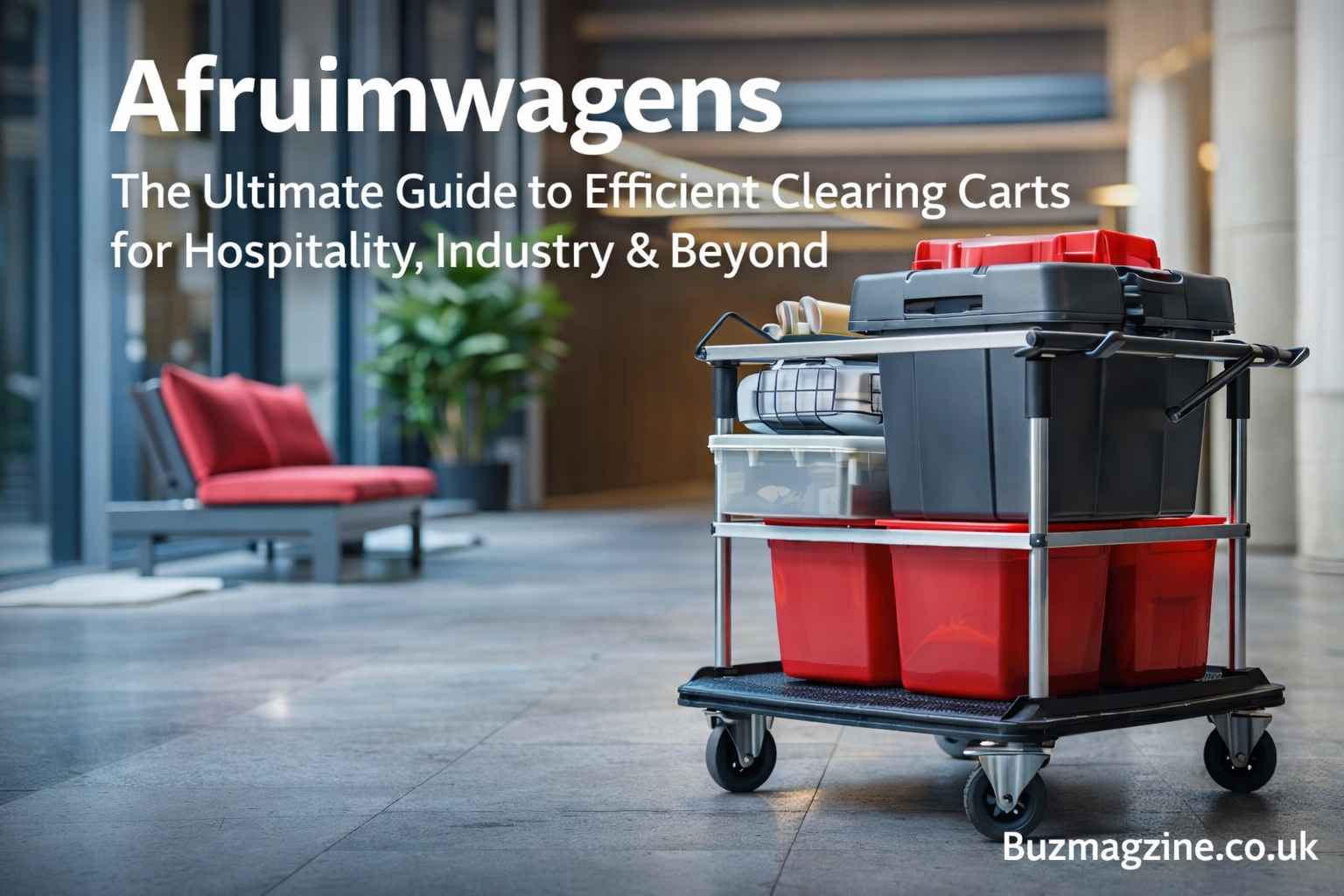
Afruimwagens are specialized clearing carts or clearing trolleys designed to efficiently collect, transport, and organize used dishes, trays, cutlery, glasses, food waste, and other items in a clean and systematic way. They help streamline cleaning operations in busy environments like restaurants, cafés, hotels, hospitals, and large institutional dining spaces.
In essence, these carts replace manual carrying, reduce the number of trips staff need to make, and improve workflow by centralizing items in a designated mobile cart.
2. Etymology & Meaning – Origins of the Term
The word “afruimwagen” is Dutch in origin:
- “afruimen” = to clear away
- “wagen” = cart or wagon
Put together, afruimwagen literally means clearing cart or clearing wagon — a name that perfectly reflects its practical purpose.
In English‑language contexts, they are often referred to as bussing carts, dish collection trolleys, service carts, or simply clearing carts.
3. History & Evolution of Afruimwagens
Though the word is Dutch, the concept of mobile carts for clearing and transport has existed in some form for centuries across many cultures. Traditional wooden carts were used in farmyards, markets, and large homes long before modern hospitality existed. With industrialization, the basic cart evolved into more sophisticated models designed to suit specific environments.
Early Beginnings
In early European settings, simple wooden frames on wheels allowed workers to move heavy loads of dishes, harvest, or goods with relative ease.
Industrial Revolution & Modern Design
With the rise of stainless steel fabrication, caster wheel technology, and ergonomic research, modern afruimwagens became more robust, hygienic, and efficient — transitioning from primitive carts to essential equipment in food service and logistics.
4. Types of Afruimwagens
Afruimwagens are available in a wide range of models depending on intended use. Below are the most common categories:
4.1 Hospitality Clearing Carts
Used in restaurants, cafés, hotels, and catering halls. Designed with multiple shelves and compartments for dishes, cutlery, waste, and glassware.
4.2 Industrial Utility Carts
Larger and heavier models for factories, warehouses, and large processing units. These can handle bulk materials, tools, or parts.
4.3 Healthcare & Facilities Carts
Used in hospitals, clinics, and care centers for clearing medical trays, dishes, and equipment while maintaining hygiene standards.
4.4 Agriculture & Outdoor Wagons
Heavier wagons used on farms to move harvested crops, feed, tools, and harvest remains.
4.5 Advanced Electric/Powered Wagons
Modern afruimwagens with electric drive, GPS tracking, or automated systems for campuses, resorts, or large maintenance fleets.
5. Key Features & Design Elements
Modern afruimwagens are designed with several functional elements that make them highly effective:
Multi‑Tier Shelving
Allows separation of plates, glasses, trays, and waste.
Swivel & Lockable Castors
Ensure smooth movement and stability when parked.
Bins & Containers
Many models have built‑in waste bins or cutlery containers.
Ergonomic Handles
Reduce physical strain on staff.
Compact Designs
For narrow corridors in kitchens or event venues.
Noise‑Reduction Wheels
Silently move around dining areas.
6. Materials & Durability
The choice of materials affects durability, hygiene, and performance:
Stainless Steel (RVS)
Most professional models are stainless steel — highly durable, corrosion‑resistant, and easy to clean.
Aluminum
Lightweight and rust‑resistant, ideal for frequent movement.
Reinforced Plastic
Affordable and lightweight for smaller establishments.
Composite Materials
Used in heavy‑duty outdoor wagons.
7. Applications Across Industries
Though most commonly associated with hospitality, afruimwagens are used in a variety of environments:
7.1 Restaurants & Hotels
To clear tables efficiently during peak hours.
7.2 Catering & Event Venues
Handle bulk items during conferences and large banquets.
7.3 Hospitals & Healthcare
Transport used trays, dishes, and supplies hygienically.
7.4 Schools & Institutions
Clear cafeterias quickly between lunch shifts.
7.5 Warehouses & Production
Move materials, tools and packing supplies.
7.6 Agriculture & Farming
Transport harvest, feed, and tools across fields.
8. Benefits of Using Afruimwagens
There are many advantages to using afruimwagens in your operation:
Increased Efficiency
They significantly reduce the number of staff trips required to carry items — saving time and labor costs.
Improved Hygiene
By centralizing dirty items, cross‑contamination risks are lowered.
Enhanced Safety
Less lifting reduces risk of back strain and accidents.
Better Workflow
Space is kept organized and clutter‑free.
Cost Savings
Reduced labor increases profitability.
Environmental Impact
Some models support waste segregation and recycling efforts.
9. How to Choose the Right Afruimwagen
Choosing the right cart depends on several factors:
Capacity & Size
Consider the size of the operation — more seats means larger carts.
Material
Choose stainless steel for hygiene, plastic for light use, or aluminum for easy handling.
Wheels & Maneuverability
Look for 360° swivel wheels with brakes.
Compartments
Multiple shelves or bins increase functionality.
Hygiene Features
Removable bins and easy‑clean surfaces save time.
10. Maintenance, Hygiene & Safety
Proper maintenance ensures longevity:
Cleaning
Wipe down with warm soapy water and sanitizers after use.
Caster Check
Ensure wheels roll smoothly and brakes hold.
Load Limits
Never overload — check manufacturer specs.
Sanitation
Follow HACCP guidelines in food environments.
11. Accessories & Customizations
There are many add‑ons that improve usability:
- Removable Waste Bins — for quick disposal.
- Cutlery Baskets — to segregate utensils.
- Dividers & Shelving Kits — to organize loads.
- Noise‑Reduction Wheels — to maintain quiet operations.
12. Market Trends & Technology
The modern market is evolving:
✔ Electric OTG Wagons — battery‑powered options for silent mobility.
✔ Smart Sensors — load and route tracking.
✔ Eco‑Friendly Designs — recyclable materials and low‑emission models.
13. Buying Guide: Prices, Brands & Where to Purchase
Prices vary widely based on size, material, and features:
🔹 Budget Models: Lightweight plastic carts ~ €150–€300.
🔹 Mid‑Range Professional: Stainless steel wheeled racks ~ €300–€800.
🔹 Heavy Duty: Industrial or specialty wagons €800+.
Popular Brands
- Vogue — Premium RVS models.
- Diamond — Durable professional carts.
- Combisteel & Bartscher — Robust hospitality carts.
These products can be purchased from specialized horeca kitchen suppliers and online marketplaces.
14. Frequently Asked Questions (FAQ)
Q: What exactly does “afruimwagen” mean?
A: It’s Dutch for clearing cart, used to move items efficiently.
Q: Are afruimwagens only for restaurants?
A: No — they’re widely used in hotels, hospitals, warehouses, and farms.
Q: Which material is best?
A: Stainless steel offers best durability and hygiene.
Q: Do they improve worker safety?
A: Yes — less lifting means fewer injuries.
15. Conclusion
Afruimwagens may appear simple, but they are essential tools that dramatically improve operational efficiency, hygiene, and workflow in hospitality, healthcare, industrial, and agricultural contexts. Whether you manage a bustling restaurant or a large hospital kitchen, choosing the right afruimwagen and integrating it into your workflow can boost productivity, reduce costs, and elevate service quality.
With modern designs, materials, and features continuing to evolve, afruimwagens remain indispensable — a perfect blend of utility, durability, and innovation.
ALSO READ: Glasgow Water Main Break Shettleston Road: Full Incident Report, Causes, and Recovery Efforts