




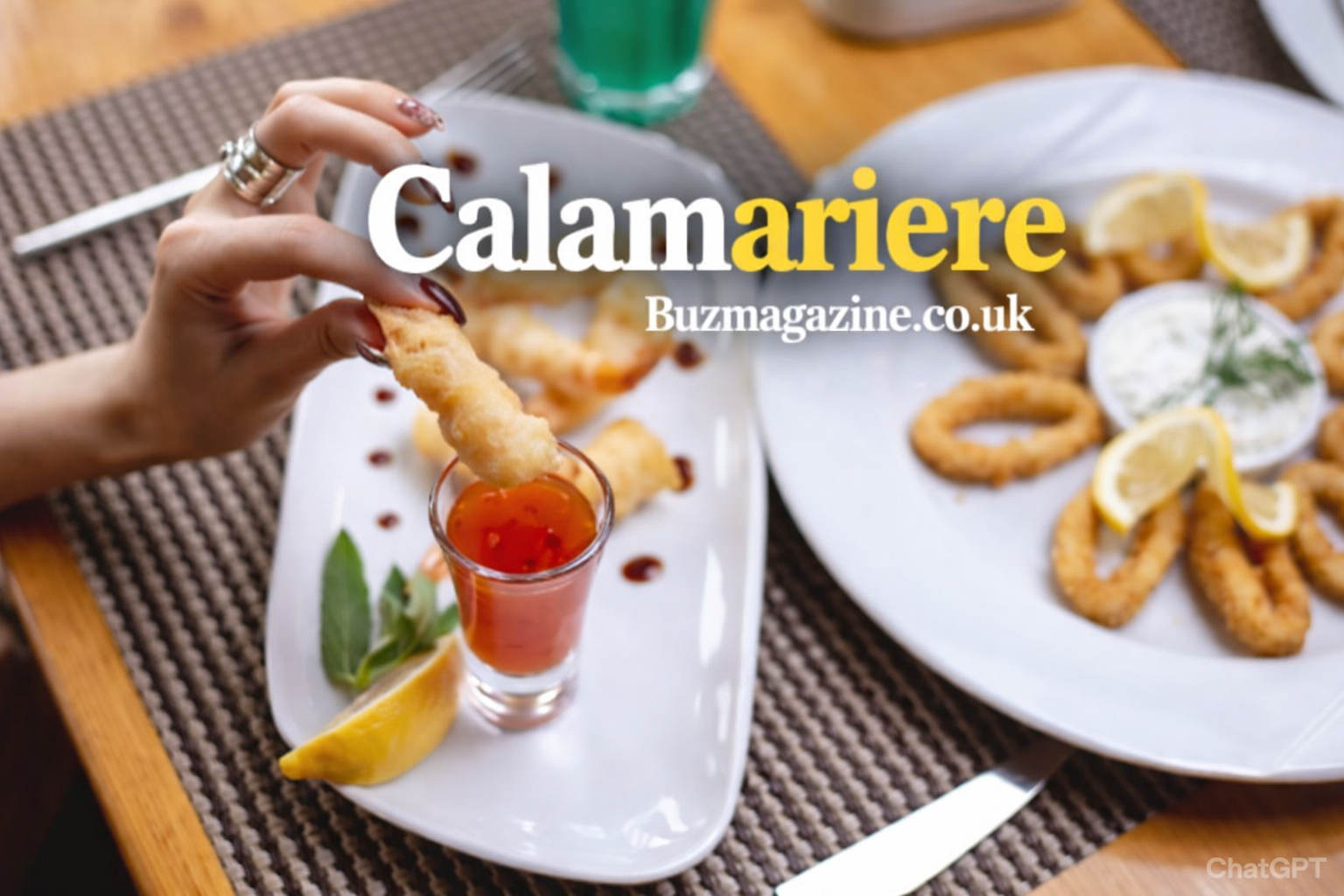
What Is Calamariere?
When you hear the term calamariere, you might think it sounds like a fancy seafood dish — and you’d be right — but there’s more to it than meets the eye. Calamariere refers to both:
- A culinary concept — a refined style of preparing squid that celebrates texture, flavor, and tradition
- A professional designation — a chef with specialist expertise in squid dishes
In everyday language, it’s easy to confuse calamari with calamariere. While calamari typically refers to squid or fried squid rings, calamariere elevates the ingredient into a cultural and technical craft — much like how a fromagier elevates cheese or a pâtissier refines pastry.
This article is your ultimate guide to understanding calamariere — from history and global variations to recipes, nutrition, sustainability, and cultural significance.
Calamariere vs Calamari: What’s the Difference?
- Calamari — generally refers to squid or simple preparations, often fried rings served as appetizers.
- Calamariere — a broader, richer term describing both advanced squid dishes and chefs with specialized skills preparing them.
The suffix “-iere” (like in chocolatiere or sommelier) signifies mastery — suggesting that calamariere isn’t just food, it’s artistry.
The Historical Origins of Calamariere
Ancient Mediterranean Roots
Squid has fed coastal populations for millennia. Ancient Greeks and Romans mentioned squid in both culinary and trade contexts, with fishermen grilling or stewing it over coals and in earthen pots. These early preparations weren’t luxury — they were survival cuisine elevated by skill, locality, and fresh seafood culture.
Italian Coastal Influence
Regions like Sicily, Naples, and Campania became centers of squid cuisine. By the 18th and 19th centuries, Italian cookbooks were documenting increasingly sophisticated squid dishes that blended local herbs, wine, and olive oil.
Families guarded their calamariere recipes like heirlooms — passed down through generations.
Expansion Across Europe & Asia
Trade routes spread squid recipes through Spain, North Africa, and into Asia. In Spain, garlic-seasoned squid found its way into tapas culture. In Japan, the concept evolved into ikayaki — grilled squid brushed with sweet soy glaze.
Calamariere didn’t just travel geographically — it evolved with taste, technique, and cultural adaptation.
Types of Calamariere & Global Variations
Calamariere isn’t a single dish — it’s a family of dishes shaped by geography, tradition, and innovation.
Italian Calamariere (Grilled & Fritti Styles)
- Calamari Fritti: Lightly battered and fried squid rings served with lemon and marinara
- Grilled Calamari: Marinated with herbs and olive oil, then charred for smoky flavor
Spanish Tapas-Style Preparations
In Spain, calamariere appears in small plates with garlic, parsley, and olive oil — sometimes served alongside mixed seafood in tapas bars.
Japanese Ikayaki Influence
“Ikayaki” — grilled whole squid brushed with soy glaze — showcases seafood simplicity and umami balance, demonstrating how calamariere embraces local flavor profiles.
Southeast Asian Spicy Adaptations
From sambal-marinated stir-fry to chili and lemongrass infusions, Southeast Asian calamariere plays with spice and texture — pairing squid with bold flavors.
North American Fusion Versions
In the U.S. and Canada, fusion chefs craft calamariere into tacos, pasta dishes, innovative bar snacks, and more — proving how versatile this concept can be.
Ingredients & Tools Needed for Perfect Calamariere
Choosing Fresh Squid (Quality Indicators)
To make any calamariere dish excellent, start with quality seafood. When selecting squid:
✔ Look for firm, translucent flesh
✔ Avoid strong or fishy odors
✔ Prefer freshly caught over long-frozen for best texture
Essential Herbs, Oils & Flavor Enhancers
- Garlic
- Lemon (zest & juice)
- Fresh parsley or oregano
- Olive oil (extra virgin preferred)
- Paprika or chili flakes
- Wine (white for braises, dry and aromatic)
These ingredients form a Mediterranean backbone that both respects tradition and enhances flavor.
Professional Tools Used by a Calamariere Chef
A calamariere chef relies on precision tools:
- Sharp seafood knife
- Kitchen shears
- Tweezers (for delicate parts)
- Fryers, grills, sauté pans
- Temperature-controlled storage (ice beds, refrigerated units)
Using the right tools ensures safety, efficiency, and flavor integrity.
Cooking Techniques for Tender Calamariere
Quick-Cook Methods (Frying, Grilling, Sautéing)
Quick methods preserve tenderness. The rule of thumb for squid:
Cook it very quickly (2 minutes) or very slowly (30+ minutes)
Anything in between often leads to rubbery squid due to muscle protein contraction.
Frying
- Light batter (flour or semolina)
- Oil at 180 °C / 350 °F
- 1–2 minute fry time
→ Crispy exterior, tender interior
Grilling
- High heat
- Marinated in lemon and garlic
→ Smoky, charred flavor
Slow-Cook Methods (Braising & Stewing)
Slow methods break down connective tissue and infuse flavor:
- Braise in tomato, wine, garlic, and herbs
- 45–90 minutes simmer time
Choice cuts turn fork-tender.
How to Avoid Rubbery Squid
✔ Salt and acid (lemon) help tenderize
✔ Avoid overcooking between 3–20 minutes
✔ Use cold sparkling water in batter for extra crispiness
Air Fryer & Modern Healthy Methods
Air frying replicates deep-fried texture with reduced oil — ideal for health-conscious cooking.
Step-by-Step Guide: How to Make Calamariere at Home
Classic Fried Calamariere Recipe
Ingredients:
- Fresh squid tubes, cleaned
- Flour / semolina
- Paprika, salt, pepper
- Lemon wedges
Method:
- Slice squid into rings
- Toss in seasoned flour
- Heat oil to 350 °F
- Fry 60-90 seconds
- Drain & serve with lemon
Grilled Mediterranean Calamariere
Marinade:
- 2 tbsp olive oil
- Juice of 1 lemon
- Minced garlic
- Chopped parsley
Grill:
- Skewer squid
- Sear 2–3 minutes per side
Serve immediately.
Stuffed Calamariere Variation
Stuffing:
- Bread crumbs
- Garlic
- Tomato
- Capers or anchovies
Bake in tomato–wine sauce until tender.
Presentation & Plating Tips
Presentation matters. Professional calamariere chefs:
- Use warm plates
- Add microgreens or citrus zest
- Place sauces in ramekins alongside
Wine Pairings, Sauces & Side Dishes
Best White Wines for Calamariere
- Sauvignon Blanc — acidity cuts richness
- Pinot Grigio — citrus balance
- Verdicchio — herbaceous notes
Light reds like chilled Pinot Noir or Gamay also pair surprisingly well.
Mediterranean Sauces
- Lemon-garlic aioli
- Spicy tomato relish
- Olive herb tapenade
Asian-Inspired Sauce Pairings
- Soy-ginger glaze
- Sweet chili dip
Ideal Side Dishes
- Arugula salad with citrus vinaigrette
- Grilled vegetables
- Herb-buttered risotto
- Rustic breads or fries
Nutritional Benefits of Calamariere
Squid isn’t just delicious — it’s nutrient-rich.
Protein & Macronutrient Breakdown
Per 100 g cooked squid roughly contains:
- ≥ 15 g protein
- ~90 calories
- Low in fat
(exact values can vary by source and preparation)
High protein supports muscle repair and satiety.
Omega-3 & Heart Health Benefits
Squid provides omega-3 fatty acids that help:
- Reduce inflammation
- Support cardiovascular health
- Improve cognitive function
Vitamin B12 & Selenium Benefits
- Vitamin B12: Essential for nervous system and red blood cells
- Selenium: Antioxidant that supports immunity
Is Calamariere Good for Weight Loss?
Yes — when grilled or air-fried instead of deep-fried — calamariere fits many diets:
✔ Mediterranean
✔ Keto
✔ Paleo
✔ Low-calorie
Sustainability & Ethical Seafood Sourcing
Why Sustainable Squid Matters
Global squid demand has risen significantly with global seafood consumption continuing to increase. Unsustainable fishing affects ocean ecosystems and fishery stocks.
MSC Certification Explained
Marine Stewardship Council (MSC) certification ensures squid is caught responsibly, protecting long-term ocean health.
Supporting Local Fisheries
Choosing locally sourced squid:
- Reduces carbon footprint
- Supports coastal economies
- Ensures freshness
Nose-to-Tail Squid Cooking
Utilize every part:
- Tentacles
- Mantle
- Ink (for sauces and pasta)
This minimizes waste and honors the ingredient.
The Calamariere Chef – Role, Skills & Career Path
What Does a Calamariere Chef Do?
A calamariere chef specializes in:
- Selecting premium squid
- Skillful cleaning & prep
- Choosing techniques appropriate to dish
- Perfect plating
Required Skills & Training
Essential abilities include:
✔ Knife mastery
✔ Temperature control
✔ Flavor balance
✔ Seafood hygiene
Formal culinary education plus apprenticeships in seafood kitchens are common.
Career Opportunities in Seafood Specialization
Calamariere chefs work in:
- Fine-dining seafood restaurants
- Mediterranean kitchens
- Culinary education
- Culinary festivals & competitions
They may also consult on sustainable sourcing and seafood menu design.
Modern Fusion & Culinary Innovation
Fine Dining Interpretations
Luxury ingredients like truffle oil, squid ink emulsions, and saffron sauces elevate calamariere into haute cuisine.
Street Food & Casual Adaptations
- Loaded calamari fries
- Calamari burgers
- Spicy quick-bites
Vegan & Plant-Based Alternatives
Chefs use:
- Hearts of palm
- Konjac
- Mushrooms
as squid substitutes in plant-based calamariere.
Gluten-Free Innovations
Rice flour, chickpea flour, or tapioca flour are common gluten-free batters.
Calamariere in Modern Culture & Digital Identity
Cultural Symbolism in Mediterranean Communities
In coastal towns, calamariere represents:
- Hospitality
- Maritime heritage
- Family tradition
Social Media & Aesthetic Appeal
Food bloggers, chefs, and trendsetters share visuals of calamariere on platforms like Instagram and TikTok — boosting its digital presence.
Linguistic Evolution of the Word
Its elegant suffix makes calamariere a natural fit for creative expression — sometimes used metaphorically in memes or artistic descriptions.
Frequently Asked Questions (SEO Rich Snippet Section)
What is calamariere?
Calamariere is a refined squid dish and the professional term for a chef skilled in preparing squid.
Is calamariere the same as calamari?
No — calamari is a broad squid term, while calamariere implies expertise and cultural preparation.
How is calamariere cooked without becoming rubbery?
Cook squid very quickly (under 2 minutes) or very slowly (over 30 minutes). Avoid mid-range times.
Is calamariere healthy?
Yes — it’s high in protein, low in calories, and contains omega-3s, vitamin B12, and selenium.
What sauces go best with calamariere?
Mediterranean sauces (aioli, tomato relish), Asian glazes, and citrus dips work beautifully.
Conclusion
Calamariere is more than seafood — it’s tradition, culture, expertise, and culinary art. From Mediterranean roots to global fusion kitchens, calamariere brings texture, nutrition, heritage, and innovation together.
Whether you’re a home cook, professional chef, or curious foodie — mastering calamariere expands your culinary horizon and connects you with centuries of coastal wisdom.
ALSO READ: Joguart – The Ultimate Guide to Modern Yogurt Evolution