




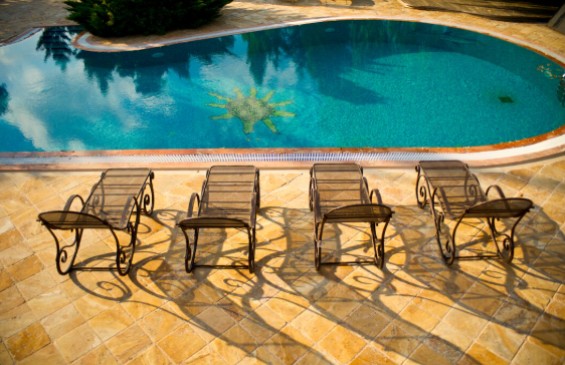
A swimming pool can be one of the most enjoyable parts of a backyard. It offers a place to relax, swim, and spend time with family and friends. But over time, many pools begin to show signs of wear. Cracks or faded areas can also develop.
These issues are common in older pools. Years of water exposure, pool chemicals, and sunlight can slowly damage the pool surface. When this happens, the pool may not look as inviting as it once did.
This is where long-lasting pool surface restoration becomes important. Restoration helps repair worn areas, improve appearance, and protect the pool structure. Instead of replacing the entire pool, homeowners can restore the surface and bring back the beauty of their backyard feature.
By using modern materials and proven techniques, pool restoration can transform an aging swimming pool into a refreshed and attractive space again.
What Is Long-Lasting Pool Surface Restoration?
Understanding what long-lasting pool surface restoration means helps homeowners see why it is such a valuable solution.
Restoring the Pool Surface
The pool surface is the inner layer of the swimming pool that holds water and creates the smooth area swimmers feel when they touch the pool walls or floor.
Over time, surfaces such as pool plaster, quartz finishes, or pebble finishes can begin to wear down.
Restoration focuses on repairing these surfaces and applying new materials that restore both strength and appearance.
This process helps improve the comfort and safety of the pool while also enhancing its look.
Extending the Life of the Pool
When a pool surface becomes damaged, the underlying structure may become vulnerable.
Water can seep into small cracks, which may lead to larger problems later. Restoration helps seal these areas and protect the pool from further damage.
By restoring the surface, homeowners can extend the life of their swimming pool and maintain its durability for many years.
Improving Pool Appearance
One of the most noticeable benefits of restoration is visual improvement.
A restored pool surface can look smooth, clean, and bright again. The refreshed surface can make the entire backyard feel more inviting.
With the right finish, a pool can become a central feature of the outdoor living space.
Why Do Pool Surfaces Wear Out Over Time?
Pools face constant exposure to water and environmental conditions. These factors slowly affect the surface.
Effects of Water and Pool Chemicals
Swimming pools rely on chemicals to keep the water clean and safe. Substances like chlorine, pH balancers, and sanitizers play an important role in water maintenance.
However, over time these chemicals may affect the pool surface.
Continuous exposure can weaken the finish and cause rough textures or discoloration. This is especially common in older pool plaster surfaces.
Proper water balance helps slow this process, but natural wear still occurs over time.
Sunlight and Weather Exposure
Outdoor pools are constantly exposed to the sun and changing weather conditions.
Strong sunlight and ultraviolet rays can fade the color of the pool surface. Seasonal weather changes may also contribute to surface wear.
Pools located in regions with extreme heat or cold often experience faster surface aging.
Because of these conditions, many pools eventually need restoration to maintain their appearance.
Aging Pool Materials
Like any building material, pool finishes naturally age.
Older pools may still use traditional plaster finishes that were installed many years ago. While durable, these finishes can eventually develop cracks, stains, or rough patches.
Newer pool surface materials are designed to last longer and provide better resistance to environmental stress.
Restoring the surface with modern materials can greatly improve both durability and appearance.
What Are the Signs Your Pool Surface Needs Restoration?
Recognizing the signs of surface wear can help homeowners decide when restoration is needed.
Rough or Uncomfortable Pool Surfaces
A healthy pool surface should feel smooth when touched.
If swimmers begin to feel rough areas on the walls or floor, it may be a sign that the surface material is wearing down.
Rough surfaces can also cause discomfort for swimmers, especially for children who spend time playing in the pool.
Restoration helps restore the smooth finish that makes swimming enjoyable again.
Stains and Discoloration
Over time, pools may develop stains from minerals, leaves, or chemicals.
Common issues include:
- dark spots on the pool floor
- faded surface color
- uneven discoloration
While some stains can be cleaned, deeper discoloration may indicate that the surface finish itself is aging.
Restoring the surface helps remove these stains and refresh the pool’s appearance.
Cracks or Peeling Surface Material
Cracks or peeling plaster are signs that the pool surface may need professional attention.
Small cracks may start as cosmetic issues but can eventually allow water to reach deeper layers of the pool structure.
Addressing these problems through restoration helps maintain the strength and safety of the pool.
How Does Pool Surface Restoration Improve Your Pool?
Restoring the pool surface provides several benefits beyond appearance.
Creating a Smooth and Comfortable Swimming Surface
A restored pool surface improves comfort for swimmers.
Modern finishes are designed to feel smooth and gentle on the skin.
Materials such as quartz pool finishes and pebble aggregate surfaces are often used because they combine durability with a pleasant texture.
This helps create a better swimming experience.
Enhancing Backyard Aesthetics
The appearance of the pool strongly affects the look of the entire backyard.
A bright, clean pool surface can instantly make the outdoor area feel more attractive.
When the pool looks fresh again, it often becomes the centerpiece of the backyard landscape.
This visual improvement can make outdoor gatherings more enjoyable.
Protecting the Pool Structure
Surface restoration also protects the underlying pool structure.
By sealing cracks and replacing worn materials, restoration helps prevent water damage and structural problems.
Maintaining a strong surface helps ensure the pool remains safe and functional.
What Materials Are Used in Pool Surface Restoration?
Modern restoration techniques use a variety of materials designed for durability and beauty.
Pool Plaster Finishes
Traditional pool plaster is one of the most widely used pool surfaces.
It provides a smooth finish and a classic look. Plaster can be tinted in different colors to enhance the appearance of the water.
While plaster is durable, newer materials have been developed to provide even longer-lasting results.
Quartz Pool Finishes
Quartz pool finishes combine plaster with natural quartz crystals.
This combination creates a stronger surface that resists staining and chemical damage.
Quartz finishes also offer attractive color variations that improve the look of the pool water.
Many homeowners choose quartz finishes because of their durability.
Pebble Aggregate Finishes
Pebble finishes use small natural stones embedded in the pool surface.
These finishes create a textured appearance and are known for their long lifespan.
Pebble surfaces are often used in modern pool design because they provide both durability and visual appeal.
How Can You Maintain a Restored Pool Surface?
After restoration, proper care helps keep the pool surface in excellent condition.
Keeping Pool Water Balanced
Maintaining proper water chemistry is one of the most important parts of pool care.
Balanced levels of chlorine, pH, and alkalinity help protect the surface materials from chemical damage.
Regular water testing helps ensure the pool stays healthy.
Cleaning the Pool Regularly
Routine cleaning prevents debris from building up on the pool surface.
Leaves, dirt, and minerals can stain the pool if left for long periods.
Using pool brushes and filters helps keep the surface clean and smooth.
Scheduling Periodic Pool Inspections
Occasional inspections allow homeowners to check the condition of the pool surface.
Identifying small issues early helps prevent larger problems later.
Regular maintenance ensures the restored surface stays beautiful and durable.
Conclusion: Restoring the Beauty and Comfort of Your Pool
An aging swimming pool does not have to remain dull, rough, or worn. With long-lasting pool surface restoration, an older pool can regain its beauty and functionality.
Restoration repairs damage, smooths rough surfaces, and refreshes the appearance of the pool. By applying modern finishes such as pool plaster, quartz finishes, or pebble aggregate surfaces, homeowners can transform their pool into a more attractive and comfortable space.
A restored pool can once again become the centerpiece of the backyard. It creates a place where family and friends can gather, relax, and enjoy the water.
In the end, long-lasting pool surface restoration offers a practical way to extend the life of a swimming pool while bringing new life to an important outdoor feature.