




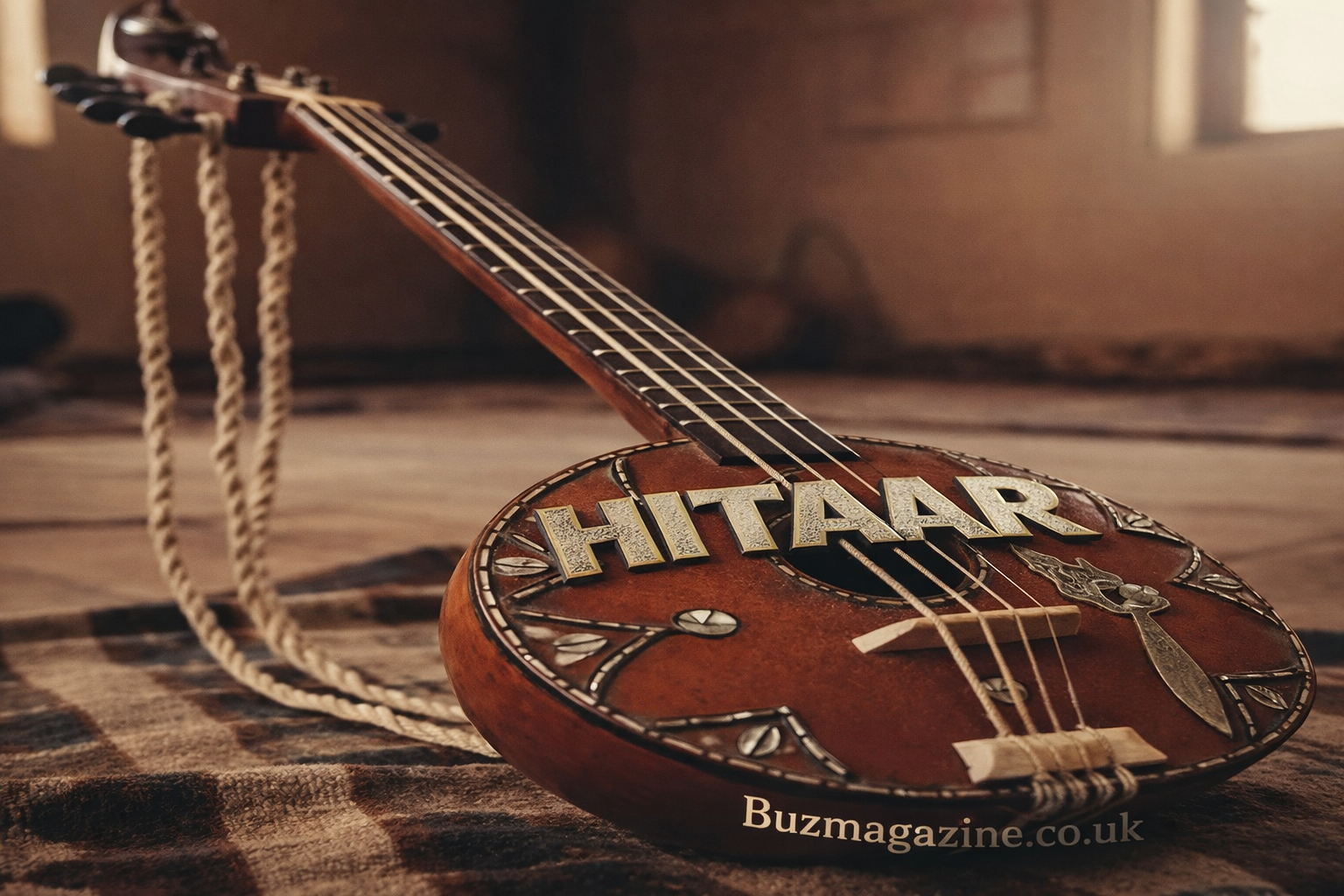
Hitaar is more than a stringed instrument or a musical genre — it is a living cultural expression that weaves together rhythm, emotion, storytelling, and community identity. In this comprehensive guide, you’ll discover Hitaar’s rich history, its unique instrument characteristics, techniques that define its sound, cultural importance, and how it continues to evolve in the modern era. Whether you’re a music enthusiast, a culture seeker, or someone curious about traditional art forms, this article will immerse you deeply into the world of Hitaar.
Introduction – The Allure of Hitaar
For centuries, music has been humanity’s way of sharing stories, marking milestones, and expressing emotions that words alone cannot convey. Among the myriad traditional art forms that carry these human experiences forward, Hitaar stands out as a remarkable blend of musical craft and cultural heritage.
At its core, Hitaar represents a bridge between past and present — combining structured musical techniques, emotional depth, and a spirit of improvisation. This guide breaks down everything you need to know about Hitaar: from its origins and techniques to its role in community celebrations and its modern adaptations across the globe.
Understanding Hitaar – More Than Just Music
What Hitaar Means
Hitaar is both the name of an instrument and the musical tradition built around it. It is deeply rooted in community environments where storytelling, memory preservation, and emotional expression intersect. The word “Hitaar” goes beyond sound; it signifies connection — between people, generations, and culture.
In many communities where Hitaar thrives, the instrument is not just played, it communicates. Every pluck of string carries meaning — whether it conveys ancestral wisdom, personal reflection, or collective joy.
Emotional Expression Through Hitaar
One defining characteristic of Hitaar is its emotional resonance. Unlike some musical forms that prioritize technical precision, Hitaar emphasizes feeling and atmosphere. Its melodies can be introspective and melancholic, joyous and celebratory, or deeply reflective. This emotional versatility makes it appealing across diverse audiences.
Many listeners attribute Hitaar’s allure to its ability to evoke vivid memories and feelings, often linking sound to personal or shared histories.
Hitaar as a Reflection of Culture and Community
We live in a world that moves rapidly toward globalized pop culture. In contrast, Hitaar remains tied to local identities, reflecting customs, beliefs, and shared values that draw communities together. It’s music and memory intertwined — often performed at gatherings where unity, belonging, and tradition are celebrated.
In this way, Hitaar is not simply entertainment; it is a cultural beacon that holds collective experiences in sound.
The Origins of Hitaar: A Tradition Born From Community Memory
Historical Roots Across Regions
Hitaar’s history is not confined to one specific place or nation; rather, it has emerged in multiple cultural contexts where string instruments took on central roles in storytelling and historical preservation.
Many traditional societies used music as a living archive before there were written records. In these cultures, performers used instruments like the Hitaar to share tales of ancestors, recite moral lessons, and celebrate life’s rhythms.
Over time, this practice developed into structured musical forms, passed down through generations and shaped by the influences of geography, material culture, and oral tradition.
Role in Storytelling and Oral Tradition
Hitaar performances commonly accompany narrative recitations — folk tales, ancestral narratives, or communal wisdom shared through song. Because these histories were not written, the instrument served as a memory device, helping preserve customs that might otherwise fade.
These performances were not solitary concerts; they were shared experiences, performed in communal spaces where listeners participated emotionally, sometimes even rhythmically.
Preserving Cultural Heritage Through Music
Today, the role of Hitaar in cultural preservation remains significant. Communities that embrace it view the tradition as a living repository of customs — one that keeps cultural identity alive in the face of globalization.
Music scholars and ethnomusicologists often highlight how forms like Hitaar contribute to cultural resilience — allowing traditions to adapt without losing core identity.
The Hitaar Instrument: Structure, Sound, and Symbolism
Construction and Materials of the Hitaar
The Hitaar instrument is typically handcrafted using materials sourced from the environment, giving each one a unique character. While variations exist, the classic Hitaar generally includes:
- Wooden Resonant Body — often made from oak, cedar, or local hardwood species
- Long Neck — allowing for expressive slides and varied tones
- Multiple Strings (5–9) — each tuned to produce a range of pitches
The craftsmanship behind a Hitaar reflects local woodworking traditions, meaning the shape, design, and materials can vary from region to region.
Strings, Tuning, and Tonal Qualities
Hitaar’s tonal range is rich and expressive — from deep resonant bass to crystal-clear treble. The number of strings, often between 5 and 9, allows for:
- Multiple harmonic layers
- Melodic complexity
- Emotional nuance
Tuning systems may differ based on regional tradition or the performer’s intention. Some musicians tune for melancholic soundscapes, while others emphasize brightness and rhythmic drive.
Symbolic Significance in Communities
Beyond its musical capabilities, the Hitaar carries symbolic meaning. In many cultures, it represents:
- Connection to ancestors
- Community unity
- Continuity of tradition
- Emotional voice beyond words
In this sense, the instrument itself becomes a vessel — expressing ideas and emotions that might otherwise go unspoken.
Techniques and Styles in Hitaar
Fingerpicking and Strumming Patterns
A foundational aspect of Hitaar playing involves distinctive fingerpicking techniques that produce rhythmic and melodic interplay. Players often combine:
- Rapid plucking to build energy
- Layered picking patterns for harmonic richness
- Soft strumming to emphasize mood transitions
These techniques offer a dynamic range — allowing performers to shift seamlessly between lively rhythms and introspective melodies.
Rhythmic Pauses and Melodic Progressions
One feature that sets Hitaar apart is its use of silence and spacing. Skillful performers utilize rhythmic pauses — not just notes — to guide emotional pacing. These pauses allow listeners to absorb mood shifts and anticipate melodic development.
Melodic progressions in Hitaar often align with emotional themes — each sequence subtly signaling shifts in narrative tone or energy.
Regional Styles and Cultural Variations
Because Hitaar exists across different cultural regions, distinct styles have developed, including variations in:
- Tuning systems
- Playing techniques
- Rhythmic emphasis
- Ornamentation and expressive slides
These variations make Hitaar both diverse and unified — diverse in expression, unified in philosophy.
Improvisation and Personal Expression
While structure is essential, one of the most captivating aspects of Hitaar is improvisation. Every performer brings personal interpretation to the music — reflecting mood, audience, and environment.
This freedom makes each performance unique and reinforces Hitaar’s nature as a living art form that evolves with every player.
The Emotional Core of Hitaar
Music as a Medium for Storytelling
Hitaar does not just entertain — it communicates. Whether conveying celebration, longing, grief, or reflection, its melodies serve as narrative vessels.
Listeners often report feeling as if the music speaks directly to the heart — a testament to the instrument’s capacity for emotional depth.
Connecting Performer and Audience
Unlike many musical forms where technical prowess dominates, Hitaar prioritizes emotional connection. Performers often engage audiences in intimate, participatory ways — inviting listeners to feel as much as hear the music.
This emotional intimacy is a hallmark of Hitaar’s enduring appeal.
Cultural Significance – Hitaar as a Living Tradition
Community Gatherings and Festivals
Across cultures where Hitaar is practiced, it plays a central role in festivals, celebrations, and spiritual gatherings. It enhances community bonds through shared rhythm, movement, and storytelling.
These events are often intergenerational — involving elders, youth, and families in collective musical experiences.
Strengthening Identity Through Music
Hitaar helps anchor cultural identity. In many communities, it symbolizes continuity — a reminder of shared history and collective values.
Music like this not only offers artistic expression but reinforces communal belonging.
Intergenerational Connections
Through performance and teaching, Hitaar connects generations. Elders often pass down techniques and stories, while younger musicians bring fresh interpretations — creating a dynamic cultural dialogue.
Cross‑Cultural Diversity in Hitaar
Variations Across Countries and Communities
Although rooted in shared philosophies, Hitaar adapts to local aesthetics. Across regions, you’ll find:
- Different string materials
- Distinct tuning frameworks
- Cultural influences in rhythmic style
- Local performance contexts
This adaptability ensures that while the core idea of Hitaar remains, it resonates authentically within diverse cultures.
Adaptation of Materials and Tuning
Some regions prefer specific woods or strings that reflect local tradition. Others incorporate modern materials to expand tonal range — blending heritage and experimentation.
Modern Adaptations and Evolution of Hitaar
Fusion with Contemporary Genres
Today’s musicians experiment with blending Hitaar with:
- Electronic soundscapes
- Jazz harmonies
- World fusion rhythms
- Ambient and experimental music
This fusion invites new audiences and expands Hitaar’s creative horizons.
Digital Platforms and Global Reach
Streaming platforms and social media have opened new doors for traditional musicians. Hitaar performances now reach global communities once disconnected by geography.
Digital media also allows:
- Online tutorials and workshops
- Global collaboration
- Cultural exchange
Collaborative Performances Across Cultures
Musicians are increasingly combining Hitaar with instruments from other traditions, creating cross‑cultural soundscapes that bridge traditions.
These collaborations highlight Hitaar’s versatility and universal emotional appeal.
Challenges and Opportunities in the Modern Era
Challenges
- Loss of traditional craftsmanship
- Youth gravitating toward mainstream digital entertainment
- Fewer communal performance spaces
Opportunities
- Global access via online platforms
- Archival documentation and cultural preservation
- Hybrid performances attracting contemporary audiences
Experiencing Hitaar – Performances, Workshops, and Festivals
Where to Listen and Participate
To experience Hitaar:
- Attend cultural festivals featuring traditional music
- Visit community music events in regions where Hitaar is practiced
- Look for world music concerts that highlight string instruments
Live performances offer the richest experience — where sound, audience interaction, and cultural energy converge.
Learning Hitaar: Schools, Classes, and Online Resources
Musicians and cultural organizations now offer:
- Workshops and retreats
- Music school programs
- Digital lessons and tutorials
These resources make learning accessible regardless of location.
Tips for Immersing Yourself in Hitaar Music
- Listen actively — focus on emotional pacing
- Learn basic fingerpicking patterns
- Explore regional variations
- Attend live performances when possible
Why Hitaar Matters Today
Preserving Cultural Identity in a Digital World
In an age of rapid cultural homogenization, traditions like Hitaar remind us of our shared humanity — rooted in stories, memory, and feeling.
Emotional Authenticity in Modern Music
Contemporary music often prioritizes sound design; Hitaar prioritizes feeling — offering a compelling counterbalance to synthetic productions.
Inspiring Creativity Across Generations
Hitaar not only preserves heritage — it inspires innovation, inviting every generation to reinterpret tradition.
Conclusion – The Enduring Legacy of Hitaar
Hitaar is a true testament to the power of music as culture and memory. It thrives at the intersection of tradition and creativity — rooted in ancient practice, yet flexible enough to embrace modern innovation. From its handcrafted instrument to its emotional resonance, Hitaar continues to captivate listeners and practitioners around the world.
If you seek connection through sound, embrace cultural depth, or simply appreciate musical art forms that speak to the soul, Hitaar offers a journey worth exploring.
ALSO READ: Florncelol – A Deep Dive into Its Meaning, Cultural Impact, and Digital Future