



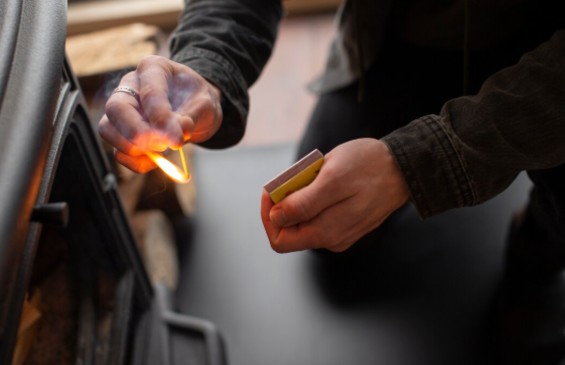
A warm home in winter depends on a working furnace. In many houses, a gas furnace uses a small flame called the pilot light to start the heating cycle. When this flame works well, the furnace turns on smoothly and produces warm air through the HVAC system. But when something goes wrong with the pilot light, it can lead to bigger furnace ignition problems.
Many homeowners first notice a problem when the house feels cold or the furnace will not turn on. In most cases, the issue begins with small warning signs. A weak flame, a pilot light that keeps going out, or strange furnace behavior can signal trouble before the heating system stops working completely.
Learning how to identify pilot light issues early can help prevent serious furnace repair problems. It can also protect the system’s heat exchanger, improve home heating efficiency, and keep your heating system safe during cold months. This guide explains simple ways homeowners can recognize these warning signs and understand when it may be time for professional help.
Understanding How a Furnace Ignition System Works
The Role of the Pilot Light in Gas Furnaces
In many traditional gas furnaces, the pilot light is a small flame that stays lit inside the furnace. Its main job is to ignite the burner when the thermostat calls for heat. When the thermostat detects that the house temperature has dropped, the furnace starts its heating cycle.
Here is how it works in simple terms:
- The thermostat is a control system that gives a sign to the furnace to start heating.
- Gas flows through the furnace burner.
- The pilot light flame ignites the gas.
- The burner heats the heat exchanger.
- The HVAC blower fan pushes warm air through the home.
If the pilot light is weak or goes out, the furnace cannot start properly. This often leads to furnace ignition problems, uneven heating, or a complete heating failure.
How Modern Furnace Ignition Systems Operate
While many older systems use a pilot light, some newer HVAC systems rely on electronic ignition systems such as Hot Surface Ignition (HSI) or Intermittent Pilot Ignition (IPI).
Even though these systems work differently, the idea is the same. They still need a reliable ignition source to start the furnace burners safely.
If the ignition process fails, the furnace may:
- Fail to turn on
- Shut down repeatedly
- Blow cold air
- Trigger furnace safety controls
These problems often trace back to issues with the pilot light system, ignition sensors, or gas flow components.
Common Pilot Light Issues in Home Furnaces
Why a Pilot Light Keeps Going Out
One of the most common furnace problems homeowners face is a pilot light that keeps going out. This issue may seem small at first, but it can signal deeper furnace ignition problems.
Several factors can cause the pilot light to stop working properly.
Dirty Pilot Orifice
Dust or debris can block the small opening where gas flows. When this happens, the pilot flame becomes weak or unstable.
Drafts or Airflow Problems
Strong air movement around the furnace may blow out the flame. This can happen if the furnace area is poorly sealed or located in a drafty space.
Faulty Thermocouple
The thermocouple is a safety device that detects whether the pilot flame is lit. If it stops working, the furnace may shut off the gas supply automatically.
Gas Supply Issues
Low gas pressure or problems with the gas valve may cause the pilot light to fail.
When these problems appear, homeowners may notice the furnace turning off frequently or refusing to start.
Signs Your Pilot Light Needs Attention
A perfect pilot light is the one that burns with a steady blue flame. Changes in the flame can signal furnace trouble.
Common warning signs to watch for:
Yellow or Orange Flame
A yellow flame may indicate dirty burners or poor gas combustion. This can also signal ventilation problems in the furnace.
Pilot Light Frequently Goes Out
If the pilot flame needs to be relit often, the furnace may have ignition or gas flow problems.
Weak or Flickering Flame
A small or unstable flame may not ignite the burners properly. This leads to delayed heating or ignition failure.
Delayed Furnace Startup
If the furnace takes longer than usual to start, the ignition system may be struggling.
Recognizing these early warning signs helps homeowners address furnace troubleshooting and repair issues before the heating system stops working entirely.
Furnace Ignition Problems That Affect Heating
Faulty Ignition Sensor or Control System
Modern furnaces rely on several components to control ignition. These parts must work together to start the heating cycle safely.
A dirty or damaged flame sensor may fail to detect the pilot flame. When this happens, the furnace shuts down as a safety measure.
Homeowners may notice symptoms such as:
- Furnace starting and stopping quickly
- Burner failing to stay lit
- Repeated ignition attempts
Cleaning or replacing the sensor often resolves these issues, but professional HVAC troubleshooting may be required.
When the Furnace Fails to Start Properly
Another sign of ignition trouble is when the furnace fails to start at all. This may happen even when the thermostat is set correctly.
Possible causes include:
- Broken ignition switch
- Faulty gas valve
- Blocked pilot assembly
- Electrical issues in the HVAC control board
These problems prevent the furnace from producing heat. In cold climates, this can quickly make the home uncomfortable and unsafe.
Regular furnace inspection can help detect these problems early and prevent sudden heating failures.
Heat Exchanger Problems and Why They Matter
Warning Signs of a Cracked Heat Exchanger
The heat exchanger is one of the integral parts of a furnace. It transfers heat from the burner to the air that circulates through the home.
If ignition problems continue for a long time, they can place stress on this component.
Warning signs of heat exchanger damage may include:
- Strange smells from the furnace
- Visible cracks or rust
- Soot buildup around the burner
- Frequent furnace shutdowns
A damaged heat exchanger can affect furnace performance and safety.
How Heat Exchanger Damage Affects Furnace Performance
When the heat exchanger becomes damaged, the furnace may struggle to produce consistent heat.
The system may run longer cycles, use more energy, and heat the home less effectively. Over time, this can increase energy bills and reduce the furnace lifespan.
In severe cases, cracks in the heat exchanger may allow carbon monoxide to leak into the home. This is why regular furnace safety checks are extremely important.
Professional HVAC technicians use specialized tools to inspect this component and ensure safe operation.
Furnace Safety Checks Every Homeowner Should Know
Checking for Gas Leaks and Ventilation Issues
Routine furnace safety checks can prevent serious heating problems.
Homeowners should periodically check for:
- Unusual gas odors near the furnace
- Blocked vent pipes
- Dust buildup around furnace components
- Poor airflow in the furnace room
Keeping the furnace area clean and well ventilated helps the system operate safely.
If a strong gas smell appears, it is important to leave the area immediately and contact emergency services or a qualified HVAC professional.
Carbon Monoxide Safety and Furnace Inspections
A malfunctioning furnace can produce carbon monoxide, a dangerous and invisible gas. Because it has no smell or color, it can be difficult to detect without proper equipment.
Installing carbon monoxide detectors in the home is an essential safety step.
Regular furnace inspections should include:
- Checking the heat exchanger
- Testing the pilot light system
- Inspecting the gas burner
- Verifying proper furnace ventilation
Annual HVAC maintenance helps ensure the heating system runs safely and efficiently during winter months.
Conclusion
Recognizing early signs of pilot light issues can help homeowners prevent larger furnace ignition problems. A weak flame, frequent pilot outages, or delayed furnace startup often signal that the heating system needs attention.
By understanding how the gas furnace, pilot light, and heat exchanger work together, homeowners can spot potential problems before they lead to costly repairs or heating failure. Regular furnace safety checks, proper maintenance, and careful observation of warning signs all play an important role in keeping a home comfortable during colder seasons.
When issues appear beyond basic troubleshooting, contacting a qualified HVAC professional is the safest solution. With routine inspections and prompt repairs, a well-maintained furnace can provide reliable heat, improve energy efficiency, and keep the home warm and safe for many winters to come.