


When the weather gets cold, a reliable heating system becomes very important. Many homes depend on a furnace heating system to stay warm and comfortable. But a furnace can only work well when it is installed correctly and maintained regularly. This is where smart furnace installation and repair strategies make a big difference.
A modern home heating system is more than just a machine that produces warm air. It is part of a larger system that includes thermostats, air ducts, ventilation systems, and energy efficiency technology. When these parts work together properly, they can improve both comfort and energy use.
Organizations such as the U.S. Department of Energy, ENERGY STAR, and the Environmental Protection Agency (EPA) emphasize the importance of proper heating system installation and maintenance. These groups note that efficient heating systems help homeowners reduce energy waste while keeping their homes warm.
Smart strategies for furnace installation and repair focus on choosing the right equipment, improving airflow, and keeping the system clean and safe. These practices not only improve heating comfort but also help lower energy bills and extend the life of the furnace.
Understanding these strategies helps homeowners make better decisions about their heating systems and maintain a comfortable indoor environment.
Understanding Smart Furnace Installation and Repair
The Role of a Properly Installed Heating System
A properly installed furnace heating system forms the foundation of an efficient home heating setup. If a furnace is installed incorrectly, it may struggle to distribute warm air evenly throughout the home.
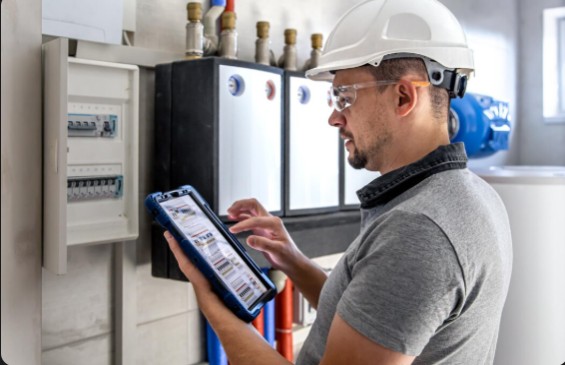
During furnace installation, professionals connect the system to the home’s air ducts, gas or electric supply, and thermostat controls. Each connection must be carefully designed to ensure smooth airflow and safe operation.
Modern heating systems often include advanced features such as variable-speed blowers and smart thermostats like Google Nest or Ecobee. These technologies allow homeowners to manage indoor temperatures more efficiently.
Proper installation ensures that these technologies work together correctly, improving both comfort and energy performance.
Why Furnace Repair and Maintenance Matter
Even a well-installed furnace needs regular attention. Routine furnace repair and maintenance help keep the system running safely and efficiently. Technicians often inspect important components such as the heat exchanger, burners, blower motor, and safety sensors.
Regular inspection is important to identify any minor issues before they become major ones. For example, a dirty air filter may reduce airflow, while a faulty thermostat may cause uneven heating.
By addressing these problems early, homeowners can maintain a reliable heating system and avoid costly repairs.
Choosing the Right Furnace Size
Why Furnace Capacity Matters
One of the most important steps in smart furnace installation is selecting the correct furnace size. Furnace capacity is measured in British Thermal Units (BTUs), which represent the amount of heat the system can produce.
If the furnace is too small, it may struggle to heat the home during very cold weather. On the other hand, an oversized furnace may turn on and off too frequently, wasting energy and causing uneven temperatures.
Professionals often perform a Manual J load calculation, a method recommended by organizations like the Air Conditioning Contractors of America (ACCA). This calculation considers factors such as home size, insulation, and climate.
Choosing the right furnace size ensures consistent heating and better energy efficiency.
Ensuring Proper Ventilation and Airflow
The Importance of Safe Furnace Ventilation
Proper ventilation is essential for safe furnace operation. Gas furnaces produce combustion gases such as carbon monoxide, which must be safely vented outside the home.
Ventilation systems direct these gases through flue pipes and exhaust vents. This process protects indoor air quality and ensures safe heating.
Regulatory groups like the Environmental Protection Agency (EPA) and the Occupational Safety and Health Administration (OSHA) emphasize the importance of proper ventilation in heating systems.
Correct ventilation also allows the furnace to operate efficiently, improving overall system performance.
Improving Airflow Through Duct Systems
Another key factor in heating comfort is airflow. Warm air travels through a network of HVAC ducts before reaching each room.
If the duct system has leaks or blockages, airflow may be reduced. This can cause some rooms to feel colder than others.
Regular duct inspections and sealing help improve airflow and ensure that heat is distributed evenly throughout the home.
Using Smart Thermostats for Better Temperature Control
How Smart Thermostats Improve Heating Efficiency
Modern homes often use smart thermostats to control heating systems. Devices like Google Nest, Honeywell Home, and Ecobee SmartThermostat allow homeowners to adjust temperatures automatically.
These thermostats learn household habits and adjust heating schedules to reduce energy use. For example, the system may lower the temperature when residents are sleeping or away from home.
This technology helps homeowners maintain comfort while saving energy.
Programmable Heating Schedules
Another benefit of smart thermostats is programmable scheduling. Homeowners can create heating schedules that match their daily routines.
For example, the thermostat may increase the temperature in the morning when people wake up and lower it during work hours.
These small adjustments can significantly improve heating efficiency over time.
Maintaining Furnace Components for Long-Term Performance
Replacing or Cleaning Air Filters
One simple but important maintenance task is replacing the furnace air filter. Air filters capture dust, pollen, and other particles that circulate through the home.
When filters become clogged, they restrict airflow and force the furnace to work harder. This can increase energy use and reduce heating efficiency.
Experts recommend checking air filters every one to three months.
Inspecting the Heat Exchanger
The heat exchanger is a critical component of a furnace. It transfers heat from the combustion process into the air that circulates through the home.
Over time, the heat exchanger may develop cracks or wear. Regular inspections help ensure this component remains safe and functional.
Professional technicians often inspect this part during annual maintenance visits.
Preventing Problems Through Early Repairs
Recognizing Warning Signs
Smart furnace repair strategies begin with recognizing early warning signs. These may include unusual noises, inconsistent heating, or higher energy bills.
These symptoms may indicate issues such as worn parts or airflow problems.
Addressing these signs early helps prevent larger and more expensive repairs.
The Value of Professional HVAC Inspections
Annual inspections by trained HVAC technicians help keep heating systems in good condition. Technicians use specialized tools to evaluate system performance and safety.
Organizations like ENERGY STAR recommend regular heating system inspections as part of responsible home maintenance.
Routine inspections help maintain efficiency, safety, and comfort.
Conclusion: Smart Furnace Strategies for Comfort and Efficiency
A comfortable home during the winter depends on a reliable heating system. By following smart furnace installation and repair strategies, homeowners can improve both heating performance and energy efficiency.
Proper furnace sizing, correct ventilation, and efficient airflow all contribute to a well-functioning heating system. Modern technologies such as smart thermostats, along with regular maintenance, also play an important role.
Organizations like the U.S. Department of Energy, ENERGY STAR, and the Environmental Protection Agency continue to promote energy-efficient heating practices. These strategies not only improve home comfort but also reduce energy waste and lower utility costs.
By understanding how furnace systems work and maintaining them properly, homeowners can enjoy consistent warmth, improved energy efficiency, and a longer-lasting heating system. Smart decisions about furnace installation and repair ultimately lead to a safer, more comfortable living environment for everyone in the home.