




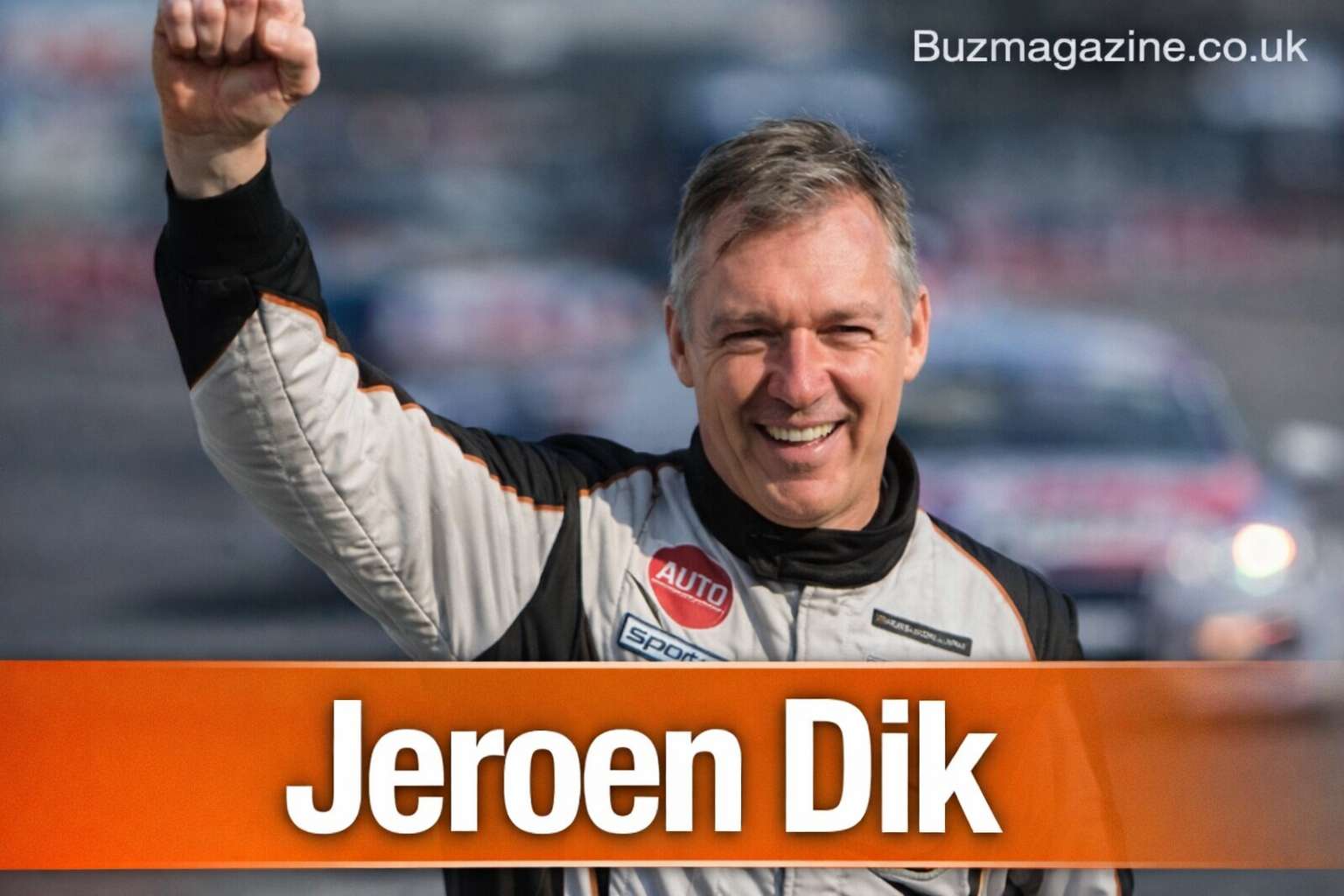
Jeroen Dik is a name that resonates deeply within the automotive world — especially among performance enthusiasts, professional tuners, and motorsport fans alike. Known as both a master automotive engineer and a competitive racing driver, Dik’s unique career is defined by balanced performance, engineering integrity, and real‑world results rather than marketing hype. Whether crafting precision ECU calibrations or pushing his own tuned vehicles to victory on the track, Dik blends technical expertise with racing experience in a way few others have achieved.
This article explores Dik’s life, his philosophy, and the lasting impact he has made on automotive tuning and motorsport.
Who Is Jeroen Dik?
Jeroen Dik is a Dutch automotive engineer, professional tuner, entrepreneur, and former competitive racer. Born on March 13, 1969, in the Netherlands, he developed an early fascination with cars that would later transform into a lifelong pursuit of both speed and precision.
Unlike many tuners who focus solely on performance numbers, Dik’s work centers on balanced upgrades — enhancements that improve power and responsiveness without sacrificing safety, longevity, or drivability. His career uniquely bridges the worlds of automotive engineering and motorsport competition, forging a reputation founded on discipline and measurable results.
Early Life and Passion for Cars and Racing
Jeroen’s passion started at a young age. Growing up in Zwolle, Netherlands, he was surrounded by the vibrant European car culture of the 1970s and 80s — a scene that ignited his curiosity about engines long before computer‑controlled systems dominated automotive design.
From an early age, he was frequently found taking apart engines and studying how mechanical components interacted. This hands‑on mechanical experimentation laid the foundation for a deep understanding of both traditional engine design and, later, complex electronic control systems.
Hands‑On Technical Learning and Mechanical Skills
Before tuning became software‑centric, Dik’s understanding of combustion, airflow, and mechanical dynamics came from practical experience. He learned not just how engines make power, but how components fail — an insight that would become critical in his later professional work.
When electronic control units (ECUs) began to replace carburetors and mechanical tuners, Dik transitioned smoothly into this new digital domain. He invested extensive time learning ECU behavior, fuel mapping strategies, and engine data analysis, giving him an edge when others relied on guesswork.
The Birth and Vision of JD Engineering
Jeroen Dik founded JD Engineering in the Netherlands with a clear mission: to provide precision, dependable, and personalized performance tuning rather than aggressive one‑size‑fits‑all files.
Founding JD Engineering: Goals and Principles
The company started in a small unit in Lochem, Netherlands, but its reputation grew quickly due to Dik’s engineering discipline and demand for reliability. Rather than rely on generic tuning maps, JD Engineering focused on custom ECU remapping and vehicle‑specific calibrations that maximize power safely and predictably.
Services began with simple performance enhancements and quickly developed into full‑scale calibration, performance optimization, and drivetrain tuning solutions. The company’s work soon became sought after across Europe by enthusiasts who wanted more than just big numbers — they wanted usable and balanced performance.
Vehicle‑Specific Performance Optimization
Unlike many tuning outfits that pad results with bold claims and aggressive maps, JD Engineering commits to a comprehensive workflow that includes:
- Initial Diagnostics — Ensuring mechanical and electronic systems are prepared for performance upgrades.
- Baseline Performance Measurement — Capturing factory data before tuning for comparison.
- Custom Calibration — Tailoring software to match individual engines.
- Road and Load Testing — Validating performance under real driving conditions.
- Final Refinements — Emphasizing drivability, safety, and consistency.
This process eliminates guesswork and ensures predictable results for both street cars and race builds.
Jeroen Dik’s Tuning Philosophy
Jeroen’s approach to performance is rooted in thoughtful engineering and balance — not brute force. His tuning philosophy rests on several core principles that have guided his work for decades.
Usable Performance for Everyday Driving
True performance is not measured only in quarter‑mile times. According to Dik, it’s about how a car performs in daily use, in varied conditions, and over long ownership cycles. This means balanced torque delivery and power that feels natural rather than abrupt.
Cars tuned by JD Engineering are characterized by broad torque curves, smooth acceleration, and a responsive feel that translates to both highway cruising and spirited driving without compromising comfort.
Smooth Power Delivery and Mechanical Sympathy
Dik emphasizes that torque delivery should be gradual and controlled, avoiding sudden spikes that stress drivetrains. Mechanical sympathy — treating components respectfully — ensures long life for engines, gearboxes, and auxiliaries under performance conditions.
This careful attention to detail is what distinguishes his tuning from aggressive maps that prioritize peak numbers over reliability.
Long‑Term Reliability and Efficiency Awareness
Performance tuning often comes with trade‑offs, but Dik’s philosophy insists on engine longevity and thermal safety. His calibrations aim to minimize thermal stress and maintain fuel efficiency where possible, a rare balance in performance tuning.
This ethos reflects his belief that performance should last for years, not months — an approach that has earned the trust of clientele all over Europe.
Racing Experience That Shapes Engineering
Dik didn’t learn tuning solely in the garage or on dynos — he also validated his work on the racetrack.
From Karting to Dutch National Championships
While comprehensive records of Dik’s early karting career are limited, his passion for competition blossomed early. He transitioned from karting to touring car racing, applying his engineering expertise to competitive driving.
Toerwagen Diesel Cup Victory and Lessons Learned
One of the most defining moments of his racing career came in 2011, when Jeroen Dik won the Toerwagen Diesel Cup (TDC) — a respected Dutch touring car championship — driving a Volkswagen Golf VI TDI that he personally tuned.
That season, he demonstrated consistency, reliability, and speed, ultimately clinching the championship in a field of strong touring car competitors. Experts note that the success wasn’t a lucky break — it was the result of precise engineering and race‑tested performance.
How Racing Informs Real‑World Tuning
Racing provides harsh real‑world testing conditions: high cylinder temperatures, continuous load, and aggressive thermal cycling. Dik used this environment as a laboratory, pushing his tuning strategies beyond theoretical constructs into proven performance under stress.
This direct feedback loop between the track and the workshop gave him an edge over competitors reliant solely on simulations or dyno charts.
Approach to Vehicle Tuning and Modern Automotive Technology
Today’s vehicles are complex systems controlled by software rather than just mechanical linkages. Dik’s expertise lies in mastering both sides.
ECU Software Architecture and Custom Calibration
Modern engine management systems dictate everything from fuel delivery to torque shaping and turbo control. Jeroen’s deep understanding of ECU structure allows him to interpret factory strategies and build customized maps to enhance performance without sacrificing safety.
Engine and Transmission Optimization
Performance isn’t just about engine power — it also involves transmission behavior, shift mapping, and drivetrain integration. JD Engineering’s tuning packages often include gearbox calibration to ensure seamless power delivery through every gear change.
Hybrid and Emissions‑Aware Performance Tuning
While historically focused on internal combustion engines, Dik’s work has expanded into hybrid systems and emissions‑aware performance strategies, ensuring relevance as automotive technology continues to evolve.
Road and Load Testing for Predictable Results
JD Engineering’s process includes extensive road and load testing, validating performance under real conditions rather than relying solely on dyno results. This ensures tuning is robust, safe, and consistent across different environmental conditions.
Major Racing Achievements and Career Milestones
Beyond his 2011 TDC title, Dik competed in various touring car events throughout his career, often running VW‑powered builds that leveraged his tuning expertise.
He scored multiple podiums in national circuits and used these competitive experiences to fine‑tune his philosophy, merging engineering precision with practical racetrack insights.
Challenges, Lessons, and Professional Growth
Every journey involves challenges — Dik’s was no exception. Mechanical failures, competitive pressure, and the constant evolution of automotive technology tested his resolve.
Yet, instead of shortcuts, he chose rigorous analysis, refinement, and adaptation — lessons that shaped not only his technical abilities but his professional philosophy.
Industry Reputation and Long‑Term Influence
Today, Jeroen Dik is respected not just as a tuner or former racer, but as a mentor and industry influencer.
Trust, Consistency, and Ethical Engineering
Clients and peers often point to Dik’s transparency and conservative yet effective strategies as reasons for his reputation. He avoids overhyped claims and instead builds trust through results.
Impact on Volkswagen Group Tuning Standards
With expertise focused on VAG vehicles — including Volkswagen, Audi, Seat, Škoda, and Porsche — his work has influenced tuning practices across Europe, raising expectations for reliability and bespoke calibration over generic tuning files.
What Professionals and Enthusiasts Can Learn from Jeroen Dik
Dik’s career offers valuable lessons for anyone involved in engineering or competitive performance:
- Precision beats exaggeration — quality over sensational claims.
- Experience matters more than marketing — deep knowledge yields sustainable results.
- Ethical engineering builds lasting reputations — integrity resonates with clients.
- Adaptability keeps expertise relevant — tuning evolves with technology.
Jeroen Dik Today and Future Prospects
Today, Dik continues to guide JD Engineering’s technical direction, mentor rising talent, and refine performance strategies for modern vehicles — including hybrid and electric systems.
His presence in tuning expos, workshops, and online forums has inspired a generation of engineers and tuners who value balanced, intelligent performance over hype.
Frequently Asked Questions
- Who is Jeroen Dik?
Jeroen Dik is a Dutch automotive engineer, performance tuner, founder of JD Engineering, and former race driver known for his balanced approach to tuning and racing success. - What is JD Engineering famous for?
JD Engineering is renowned for precision ECU tuning and performance optimization for Volkswagen Group vehicles, including tailored maps for VW, Audi, Seat, Škoda, and Porsche. - Why is Dik called the “Tuning Yoda”?
Enthusiasts refer to him as the “Tuning Yoda” for his deep technical knowledge, wise approach, and mentorship within the tuning community. - Did Jeroen Dik win races?
Yes — the most notable was the 2011 Toerwagen Diesel Cup championship, where he won driving a Volkswagen Golf VI TDI he tuned himself. - What makes his tuning approach unique?
Dik prioritizes usable performance, smooth power delivery, and long‑term reliability rather than chasing maximum horsepower numbers alone.
Conclusion
Jeroen Dik’s journey from a young automotive enthusiast to one of Europe’s most respected tuning professionals and racing figures is a story of passion, precision, and perseverance. His unwavering commitment to engineering excellence and real‑world validation continues to influence clients, competitors, and upcoming generations of automotive professionals. From the workshop to the race circuit, Dik’s legacy is defined not by headlines, but by measurable performance, trust, and technical mastery.
ALSO READ: dfcbktr Explained: Why This Random Online String Attracts Attention