




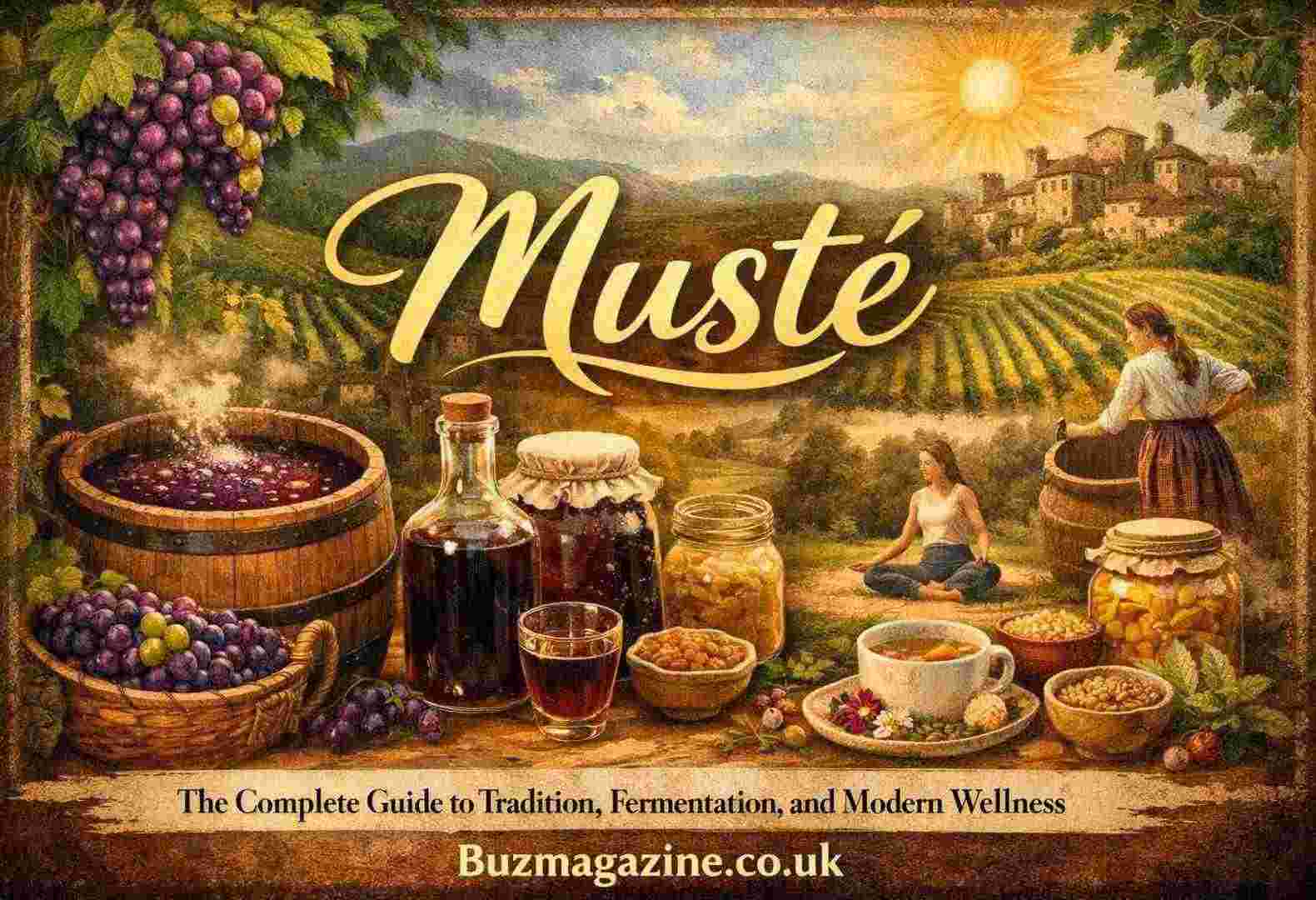
Musté is more than just a word — it is a living concept that spans centuries, cultures, cuisines, and health philosophies. Rooted in ancient fermentation traditions and thriving today in both culinary and wellness conversations, musté represents the nexus where food, culture, community, and biology intersect.
In this definitive guide you will discover what musté truly means, why it matters, and how it connects age‑old wisdom with modern health trends — from fermentation processes to gut health, ancestral nutrition, mindful eating, cultural storytelling, and sustainable food practices.
What is Musté?
Definition and Core Concept
At its heart, musté refers to a traditional fermented base or concept — not a singular product, brand, or fixed recipe. It embodies a method and philosophy grounded in time, transformation, and cultural memory.
Unlike most culinary terms found in mainstream dictionaries, musté carries a sense of heritage, ritual, and process. While its precise interpretation can vary by language and region, musté consistently reflects:
- A fermented or fermentable base developed slowly through natural processes
- A connection to seasonal ingredients and minimal processing
- A deeper meaning tied to community, memory, and authenticity
In nutrition and wellness discussions, musté is also used metaphorically to represent raw potential, foundational nourishment, and holistic health — the “must before transformation,” akin to raw grape juice before fermentation.
Musté in Cultural vs. Nutritional Context
Depending on the lens through which it is viewed — culinary or health — musté can mean slightly different things:
- In food culture, musté refers to traditional fermentation practices, artisanal preparations, and community food heritage.
- In wellness and nutrition, musté symbolizes a philosophy centered on whole foods, metabolic balance, gut health, and lifestyle renewal.
Both perspectives, however, share a common theme: transformation through natural, time‑honored processes.
Historical and Cultural Roots of Musté
From Traditional Fermentation to Community Practices
Fermentation is one of humanity’s oldest food technologies — predating recorded history. Before refrigeration and industrial preservation, fermentation was essential for:
- Storing food through seasons
- Enhancing flavor and texture
- Improving nutritional value and digestibility
In many cultures, musté‑like preparations were made collectively, often tied to seasonal harvests and community rituals. For example:
- Grape must (freshly pressed grape juice) formed the basis for wines long before modern vintners formalized the process.
- Fermented grain bases in rural communities provided sourdoughs or porridges that sustained families.
- Vegetable ferments like krauts or pickles preserved the bounty of harvest for winter months.
Musté emerged from this world of necessity — a bridge between raw harvest and finished nourishment.
Musté and Culinary Heritage
In many parts of Europe, Asia, Africa, and the Americas, fermentation traditions are deeply woven into cultural identity. Foods developed through slow transformation were not merely sustenance; they were expressions of:
- Togetherness and shared labor
- Cultural continuity
- Ecological awareness
- Respect for seasons and ingredients
Whether during harvest festivals or neighborhood exchanges, musté‑like bases were shared, adapted, and passed down through generations. They became symbols of patience, community, and reverence for natural cycles.
The Science Behind Musté
Fermentation Processes and Flavor Development
Fermentation is a biological process where microorganisms — like bacteria and yeasts — break down sugars and starches into acids, alcohol, and gases. When applied intentionally, fermentation:
- Enhances aroma, flavor, and texture
- Produces beneficial compounds like organic acids and probiotics
- Preserves food without artificial additives
In the context of musté, fermentation is not rushed or industrially manipulated; instead it is:
- Slow and deliberate
- Guided by intuition and environmental conditions
- Dependent on quality ingredients and time
This type of fermentation produces complex, layered flavors — often described as tangy, rich, deep, and memorable.
Nutritional Benefits: Vitamins, Polyphenols, and Enzymes
Fermented foods have long been studied for their nutritional value. Some scientifically supported potential benefits include:
- Increased bioavailability of nutrients — fermentation can make certain vitamins and minerals easier for the body to absorb.
- Production of beneficial compounds, such as B‑vitamins, certain amino acids, and organic acids.
- Breakdown of anti‑nutrients like phytates, which can otherwise reduce mineral absorption.
While musté itself is not tied to one specific nutritional profile, the broader category of fermented foods is often linked to digestive health, nutrient richness, and metabolic function.
Musté and Bioavailability: How Your Body Absorbs Nutrients
One of the most significant aspects of fermented bases like musté is how they interact with human digestion:
- Fermentation reduces complex compounds into simpler molecules.
- Enzymes and microbes partially digest foods before we eat them.
- This process can enhance bioavailability, meaning the body can more easily absorb essential nutrients.
For individuals with sensitive digestion, fermented foods often act as a bridge toward improved nutrient assimilation.
Musté and Gut Health
Supporting the Microbiome
The human gut houses trillions of microorganisms, collectively known as the gut microbiome. This ecosystem influences:
- Immunity
- Mood regulation
- Nutrient synthesis
- Metabolic health
Fermented foods — including musté‑like preparations — can support a diverse, balanced microbiome by:
- Supplying beneficial bacteria
- Producing metabolites like short‑chain fatty acids (SCFAs)
- Helping maintain intestinal integrity
While research on gut health is rapidly evolving, a growing body of evidence suggests that fermentation‑rich diets correlate with improved gut diversity and overall well‑being.
Short‑Chain Fatty Acids and Digestive Integrity
When fibers are fermented in the gut, microbes produce SCFAs such as butyrate, which:
- Helps maintain gut lining health
- Reduces inflammation
- Supports metabolic balance
Although musté refers to the base rather than the finished fermented food, its inclusion in a balanced diet can contribute to a broader pattern of gut‑friendly eating.
Musté as a Modern Wellness Philosophy
Foundational Nutrition and Metabolic Resilience
In modern wellness discourse, musté is sometimes described not as a product, but as a philosophy — one that values:
- Whole foods over processed ones
- Metabolic balance over quick fixes
- Nutrient density over calorie counting
- Consistency over extremes
This perspective aligns closely with clinical nutrition principles that emphasize:
- Stable blood glucose
- Mitochondrial support
- Hormonal balance
- Anti‑inflammatory eating
In this sense, musté becomes a holistic framework for foundational health, not a fad diet.
Anti‑Inflammatory and Whole‑Food Principles
Inflammation is a central factor in many chronic conditions. Diets rich in whole foods — particularly plants, fermented foods, nuts, seeds, and lean proteins — are consistently associated with lower systemic inflammation.
While musté itself does not claim specific health outcomes, its underlying principles — mindful, ancestral, nutrient‑rich eating — coincide with anti‑inflammatory approaches advocated by nutrition research.
Behavioral Nutrition and Mindful Eating
Beyond biochemistry, musté reflects a behavioral dimension:
- Paying attention to food preparation
- Eating with awareness
- Honoring natural hunger and fullness
- Reducing overstimulation from processed ingredients
Studies in behavioral nutrition demonstrate that simplified, joyful approaches to eating — focused on food quality rather than restrictive rules — can improve adherence and satisfaction.
Practical Applications of Musté
How to Incorporate Musté into Your Diet
While musté is not one specific food, you can apply its principles through:
- Fermented bases: naturally fermented juices, grain ferments, vegetable ferments
- Seasonal, local produce: ingredients sourced near you
- Minimal processing: avoid additives and artificial preservatives
- Mindful preparation: cook with intention and respect for ingredients
Examples include using sour bases in soups, blending fermented juices into sauces, or creating naturally leavened breads.
Recipes, Ingredients, and Preparation Tips
Here are some ways you can embrace musté:
- Prepare naturally fermented vegetable brines to use as bases in soups or dressings.
- Incorporate raw grape must into sauces or glazes for depth of flavor.
- Use sourdough or fermented batters in savory dishes.
- Pair fermented pickles with whole‑food meals to enhance digestion.
The key is creativity within tradition: let fermentation and time shape your flavors.
Daily Lifestyle Practices: Slow Living and Conscious Eating
Musté extends beyond the plate into lifestyle:
- Cook from scratch more often
- Choose seasonal markets over shelf aisles
- Engage with food as ritual, not rush
- Eat slowly and attentively
This approach fosters mind‑body awareness, reduced decision fatigue, and deeper satisfaction with food.
Common Misconceptions About Musté
Musté is Not a Single Product or Recipe
One of the biggest misunderstandings is treating musté as:
- A branded food
- A packaged supplement
- A fixed formula
Instead, it is a concept — adaptable, contextual, and rooted in tradition.
Cultural Variations and Regional Differences
Because musté draws from diverse foodways, its exact manifestations differ around the world. Some cultures emphasize grains, others fruits, others vegetable ferments. This diversity is part of its richness, not a limitation.
Musté in Storytelling and Content Creation
Culinary Stories, Heritage, and Community Memory
Musté is a treasure trove for content creators because it intersects:
- Food and culture
- Memory and identity
- Craft and transformation
Stories of musté can capture everything from harvest gatherings to ancestral kitchens, from fermentation tales to philosophical reflections on nourishment.
Authentic storytelling resonates because it reflects real human experience, not abstract trends.
Using Musté to Connect with Authentic Food Experiences
Writers and creators can invite readers into:
- Sensory experiences of flavor and texture
- Cultural rituals surrounding food
- The emotional connection between food and belonging
Musté is not just a topic — it’s a bridge between people and their food heritage.
The Future of Musté
Preserving Tradition While Embracing Global Trends
As fermentation and ancestral eating gain popularity globally, musté stands at a crossroads:
- Respecting traditional methods
- Adapting to modern kitchens
- Integrating wellness science with cultural wisdom
Balancing these elements ensures that musté remains meaningful rather than commodified.
Innovations in Fermentation and Wellness
Today’s chefs, nutritionists, and home cooks are exploring fermentation in new contexts — from plant‑based alternatives to hybrid savory bases. Musté’s adaptability positions it well for innovation without losing its roots.
Conclusion
Musté is more than a word or culinary term — it is a concept rooted in time‑honored practice, cultural memory, and holistic nourishment. Whether experienced in a thoughtfully fermented sauce, a seasonal communal dish, or a wellness‑oriented meal, musté reflects humanity’s enduring relationship with food, time, and transformation.
By honoring tradition while embracing modern health insights, musté invites us into a richer, more mindful, and more connected way of eating — one where food becomes a source of flavor, health, and meaning.
Frequently Asked Questions (FAQs)
What does musté mean in simple terms?
Musté refers to a traditional fermented base or conceptual foundation tied to heritage, community, and natural food transformation.
Is musté a specific food or recipe?
No — musté is not one standardized food or product. It is a concept that spans many traditional fermentation practices.
Why is musté associated with fermentation?
Fermentation is central because it represents transformation through time — a key part of musté’s identity.
Is musté relevant in modern food culture?
Yes. Musté aligns with trends in artisanal food, gut health, sustainability, and cultural storytelling.
Can musté have different meanings in different cultures?
Absolutely. Musté’s meaning can vary regionally, reflecting local traditions and foodways.
Can musté support gut health and metabolic balance?
While musté itself is not a medical term, the fermented foods and whole‑food principles associated with it are often linked to gut health and metabolic support.
ALSO READ: Guia Silent Hill Geekzilla Completo 2026: Personagens, Monstros, Puzzles e Todos os Segredos