




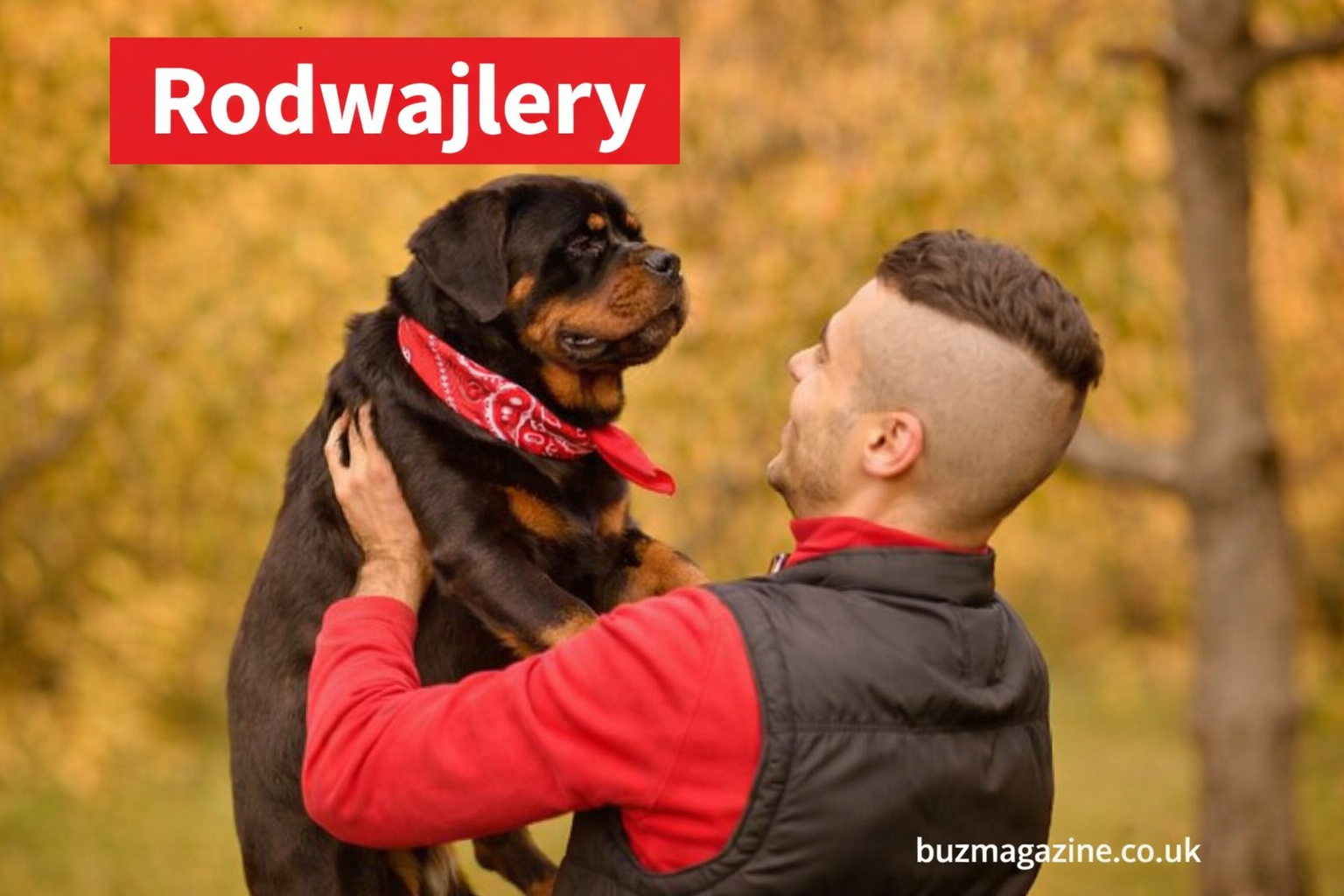
The Rodwajlery — more commonly known worldwide as Rottweilers — are one of the most iconic and respected dog breeds in existence. Powerful, intelligent, loyal, and deeply connected to human history, these large working dogs have transitioned from ancient herders to modern family companions, police partners, and therapy helpers. This comprehensive guide dives into EVERYTHING you need to know about Rodwajlery — from their origins and traits to training, health, diet, family life, and more.
Introduction to Rodwajlery
The term “Rodwajlery” may seem unusual to many, but in Polish and several online communities, it’s simply the local spelling for Rottweilers — the same beloved breed known for its strength, courage, and devotion. Known for centuries as dependable helpers in physical labor and guardianship, Rodwajlery have earned admiration from dog lovers worldwide. Whether you’re considering one as a pet or just seeking to learn, understanding this breed’s essence is key to appreciating what makes them special.
History and Origins of Rodwajlery
From Roman Legions to Rottweil
The lineage of today’s Rodwajlery traces back over 2,000 years to ancient Rome, where mastiff‑type dogs accompanied Roman soldiers as they marched across Europe. These dogs were used for herding livestock, guarding camps, and providing loyalty through long military campaigns.
As Roman legions traveled north through the Alps and into what is now southern Germany, these dogs interbred with local herding breeds. In the town of Rottweil, originally known for its cattle trade, these descendants became known as Rottweiler Metzgerhunds — the Butcher’s Dogs who helped herd cattle, pull carts of meat to market, and protect merchants’ earnings.
Role in Herding, Guarding, and Merchants’ Life
During this phase, Rodwajlery weren’t just pets — they were physical workers. They moved and protected livestock, ensured the safety of trade routes, and became trusted allies to butchers and drovers. Their combination of strength, stamina, and intelligence made them indispensable.
AKC and FCI Recognition
Sadly, with the rise of railroads in the 19th century, the need for cattle‑driving dogs fell sharply. Rodwajlery numbers dwindled and the breed nearly faded. But dedicated fanciers recognized their value, and by the early 20th century, Rodwajlery were working again — this time in police work and service roles.
The American Kennel Club (AKC) officially recognized the Rottweiler as a breed in 1931 and placed it in the Working Group, solidifying its modern standard and encouraging ethical breeding and care practices.
The Decline and Revival of Rodwajlery
During the industrial revolution, when railroads took over livestock transport, the traditional role of Rottweilers declined. But the breed’s exceptional capabilities ensured it didn’t disappear. Police and military organizations began using them for patrol, guard duties, and later as search‑and‑rescue dogs, proving how invaluable their temperament and intelligence were beyond herding — a renaissance that set them up for global popularity.
Rodwajlery Around the World
Today, Rodwajlery are admired globally. In Poland, they are popular among families searching for rodwajlery szczeniaki (puppies) and rodwajlery cena (purchase price) — often sought after by enthusiasts interested in both temperament and protection ability.
In the United States and United Kingdom, Rodwajlery are treasured as both working dogs and household companions. They appear in police units, military K‑9 divisions, and are increasingly represented in civilian roles like therapy, search‑and‑rescue, and competitive dog sports.
Physical Characteristics
Size, Weight, and Lifespan
Rodwajlery are large and muscular dogs. According to breed standards:
- Height: Generally 22–27 inches (56–69 cm) at the shoulder.
- Weight: Males typically weigh between 95–135 pounds (43–61 kg), and females between 80–100 pounds (36–45 kg).
- Lifespan: About 8–10 years with good care, though quality of life can vary based on genetics and environment.
Coat, Color Patterns, and Grooming Needs
Rodwajlery have a short, dense double coat, usually black with distinctive rust or mahogany markings on the chest, legs, and face — a hallmark of the breed standard.
Their grooming needs are relatively low but require weekly brushing to manage moderate shedding, especially during seasonal changes. Weekly ear cleaning and regular nail trim keep them healthy and comfortable.
Comparison with Other Large Dog Breeds
Compared to other large working breeds like German Shepherds or Doberman Pinschers, Rodwajlery are generally more broadly built and powerful, while maintaining a calm and confident demeanor.
Temperament and Personality
Loyalty, Protectiveness, and Family Bonding
Rodwajlery are celebrated for their loyal and protective nature. Their historical role as guardians translates into strong instincts to protect family and territory, but with proper training, this becomes a calm and controlled commitment rather than unpredictable aggression.
Their bond with owners runs deep — they often follow their family members and form strong emotional connections, making them excellent companions for those who seek loyalty and intimacy in a pet.
Interaction with Children and Other Pets
With early socialization, Rodwajlery can be gentle and affectionate with children and other pets. Their confidence and stability make them patient and balanced family members, though supervision with small or unfamiliar animals is always recommended.
Intelligence and Trainability
Rodwajlery are highly intelligent, ranking among the top breeds for obedience and trainability. However, they have a strong will and require a firm but positive training approach. Harsh or inconsistent methods can confuse them and lead to behavioral problems — positive reinforcement yields the best results.
Training Rodwajlery
Early Socialization Tips for Puppies
Training should begin early — from the moment you bring a puppy home. Introduce diverse environments, people, sounds, and other animals to build trust and confidence.
Obedience Training and Positive Reinforcement
Rodwajlery respond exceptionally well to structured routines and rewards. Commands like sit, stay, come, and heel should be practiced consistently. Use treats, toys, and praise to reinforce good behavior and build a cooperative relationship.
Advanced Training and Professional Programs
As they mature, many Rodwajlery enjoy advanced training — including agility, obedience competitions, scent work, and protection sports. Professional dog trainers can help refine skills and ensure balanced development.
Exercise and Lifestyle Needs
Rodwajlery were bred to work, and their physical needs reflect that heritage. They require at least 1–2 hours of exercise daily, which helps maintain muscle tone, reduce stress, and manage weight.
Brisk walks, runs, play sessions, obedience activities, and structured games like fetch or tug help keep them mentally and physically stimulated. Due to their protective nature, dog parks should be approached thoughtfully, as some Rottweilers may feel uneasy with unfamiliar dogs.
Diet and Nutrition for Rodwajlery
Recommended Feeding Schedule
Adult Rodwajlery typically thrive on two measured meals per day. Puppies need more frequent feedings with formula appropriate for large breeds to support controlled growth.
Best Dog Foods and Supplements
Choose high‑quality commercial foods with lean proteins, balanced fats, and limited fillers. Supplements like glucosamine, chondroitin, and omega fatty acids support joint health and coat condition — especially vital for large breeds prone to joint stress.
Preventing Obesity and Supporting Joints
Rodwajlery can easily gain weight if overfed or under‑exercised. Monitoring portions, avoiding excessive treats, and adjusting caloric intake as needed prevents obesity — a common risk factor for joint and heart problems.
Health Concerns and Preventive Care
Hip and Elbow Dysplasia
A prevalent issue in large breeds, hip and elbow dysplasia can impact mobility and comfort. Preventive measures include weight management, controlled exercise, and genetic screening when selecting puppies.
Heart, Eye, and Skin Conditions
Rodwajlery may also be prone to cardiac issues, eye conditions, and certain skin problems. Annual veterinary checkups, screenings, and early detection are key to preventing severe outcomes.
Bloat and Gastric Torsion
Large‑breasted breeds like Rodwajlery have an increased risk of bloat (gastric dilatation‑volvulus) — a medical emergency. Feeding smaller meals, avoiding vigorous exercise immediately before/after meals, and vet‑advised precautions reduce the risk significantly.
Grooming and Daily Care
Despite their rugged appearance, Rodwajlery are fairly low‑maintenance:
- Weekly brushing removes loose hair and distributes natural oils.
- Occasional baths keep the coat clean without stripping essential oils.
- Ear cleaning and dental care prevent infection and gum disease.
A routine from puppyhood builds good habits and keeps your dog healthy and comfortable throughout life.
Rodwajlery as Family Dogs – Debunking Myths
Rodwajlery often face misconceptions about aggression. In truth, they are dedicated, affectionate, and emotionally intelligent dogs when properly trained and socialized.
They are not innately hostile; their natural protectiveness can be shaped into calm vigilance with consistent guidance. With children, they are often gentle and attentive, provided the family environment teaches respect and healthy interaction.
Modern Roles and Versatility
Today, Rodwajlery serve in many impressive roles beyond herding — including:
- Police and military K‑9 units
- Search and rescue teams
- Therapy and emotional support dogs
- Guardian companions and competitive sport participants
Their blend of power, composure, and intelligence makes them exceptionally versatile.
Rodwajlery in Culture and Symbolism
Often featured in movies, TV, and online communities, Rodwajlery symbolize strength, loyalty, and protective devotion. Their presence in digital culture — from forums to social media — reflects ongoing admiration and fascination with the breed.
Choosing and Raising a Rodwajlery Puppy
When selecting a puppy, prioritize ethical breeders who perform health screenings and emphasize socialization. Ask for genetic test results and meet the parents if possible.
Once home:
- Establish a routine
- Begin crate training and early commands
- Introduce varied environments
- Provide plenty of structured activities and positive reinforcement
Investing time early lays the foundation for a happy, balanced adult dog.
Conclusion
Rodwajlery — the timeless Polish Rottweilers — are far more than just strong dogs. They are working partners, loyal companions, protectors, and beloved family members. From their ancient roots with Roman legions to their modern roles in homes and service fields worldwide, Rodwajlery embody trust, bravery, and devotion. With responsible care, training, and love, these dogs offer a lifetime of connection that few breeds can match.
FAQs About Rodwajlery
Q: Is Rodwajlery the same as a Rottweiler?
Yes — “Rodwajlery” is simply an alternative or local term for the Rottweiler dog breed, sharing the same history, traits, and care requirements.
Q: How much exercise does a Rodwajlery need?
At least 1–2 hours of daily activity, including walks, play, and mental challenges.
Q: What are common health concerns?
Hip and elbow dysplasia, heart conditions, bloat, and certain cancers are risks to watch for with regular vet care.
Q: Are Rodwajlery good family dogs?
Absolutely — with proper training and socialization, they are devoted, gentle, and protective companions.
ALSO READ: Evırı Explained: Philosophy, Personal Growth & Elden Ring (2026 Guide)