




Vitiligo — an autoimmune skin condition characterized by depigmented white patches — affects millions globally, impacting both appearance and self‑confidence. With growing interest in plant‑based and antioxidant‑rich treatments, Vitilinox has emerged as a trending topic among those seeking gentler alternatives to pharmaceuticals.
In this in‑depth guide, we’ll explore what Vitilinox is, how it’s believed to work, ingredient science, potential side effects, real user outcomes, and how it compares to conventional therapies.
What Is Vitilinox?
Vitilinox is a topical cream marketed toward people with vitiligo who want to support skin repigmentation and reduce oxidative stress in affected areas. It’s usually formulated with plant‑derived antioxidants, vitamins, and extracts believed to support melanocyte health and overall skin balance.
Unlike prescription medications, Vitilinox is not a pharmaceutical drug, and no large‑scale clinical trials have conclusively proven its effectiveness in reversing vitiligo. Its marketing often highlights “natural” ingredients and antioxidant support as key benefits.
Understanding Vitiligo: Causes, Symptoms & Challenges
What Is Vitiligo?
Vitiligo is a chronic skin condition where melanocytes — the cells responsible for producing melanin (skin pigment) — are lost or damaged. This results in patchy, white depigmented areas on the skin and sometimes hair. The exact cause is complex, involving autoimmune responses, genetics, and cellular stress.
Why It’s Difficult to Treat
- Autoimmune nature: The immune system attacks melanocytes.
- Oxidative stress: High levels of free radicals can exacerbate melanocyte damage.
- Variable progression: Some people experience stable patches, others see spreading over time.
Because vitiligo affects both appearance and emotional well‑being, many sufferers explore supportive therapies that may help slow progression or encourage repigmentation.
How Vitilinox Is Believed to Work (Mechanism of Action)
Vitilinox‘s ethos centers on promoting healthier skin environments that may support pigment recovery. While it’s not a medication with FDA‑verified claims, the theory behind it intersects with known dermatological concepts.
1. Antioxidant Support
Vitilinox contains ingredients like Vitamin E, plant extracts, and other antioxidant compounds that are designed to neutralize free radicals. By reducing oxidative stress, the product seeks to create a more favorable environment for melanocyte survival and function.
Scientific reviews have found that antioxidants (including Vitamin E and plant polyphenols) could have potential benefits in vitiligo management, though more research is needed to standardize these effects.
2. Melanocyte Support
Some herbal and nutrient‑based compounds are believed to influence melanocyte activity indirectly. For example, trace elements like copper — important in melanin production — tend to be lower in some people with vitiligo.
Vitilinox brands often include extracts and minerals with the goal of supporting basic melanocyte function and potentially encouraging some repigmentation.
3. Skin Barrier and Hydration
Healthy skin barriers protect from environmental stressors and help maintain moisture, which is essential in any skincare regimen. Vitilinox formulations often contain moisturizing oils and botanical extracts that can soothe dry or sensitive skin.
A well‑hydrated skin barrier doesn’t cure vitiligo, but it may help skin resilience during treatment.
Vitilinox Ingredients Breakdown: What’s Inside the Jar
Understanding ingredients is vital for SEO and for readers who want clarity:
Vitamin C
Often included for its antioxidant capacity and role in collagen support. Some limited evidence suggests vitamin C affects oxidative stress levels, but its role in repigmenting vitiligo patches is not firmly established.
Vitamin E
A potent antioxidant that may help protect cell membranes from free radical damage. Studies in vitiligo have looked at Vitamin E among other antioxidants, though results vary.
Plant Extracts & Polyphenols
Herbal extracts and polyphenols are common in natural skincare. They offer antioxidant support and may enhance cellular environments, though clinical validation specific to Vitilinox is limited.
Minerals such as Copper
Copper plays a role in melanin synthesis and is among trace elements researchers have studied in vitiligo populations. Some evidence shows lower serum copper levels in people with vitiligo.
Benefits of Using Vitilinox
While scientific proof is limited, user‑reported benefits and theoretical mechanisms include:
Gradual Repigmentation
Some users claim that repigmentation occurs over weeks to months with consistent application. Results vary widely.
Moisturizing and Skin Health
Non‑greasy and hydrating formulations can improve overall skin comfort.
Gentle, Natural Formula
Plant‑based and antioxidant formulas are generally gentler than steroid creams, which may appeal to those seeking non‑pharmaceutical routes.
Emotional Well‑Being
Seeing even slight improvements can boost confidence and reduce the psychological burden of vitiligo.
Potential Side Effects and Safety Considerations
Despite being marketed as gentle, Vitilinox and other topical products carry some risks:
Common Reactions
- Mild redness
- Slight irritation or tingling
These usually appear if skin is sensitive or if a person is allergic to specific plant extracts.
Allergic Responses
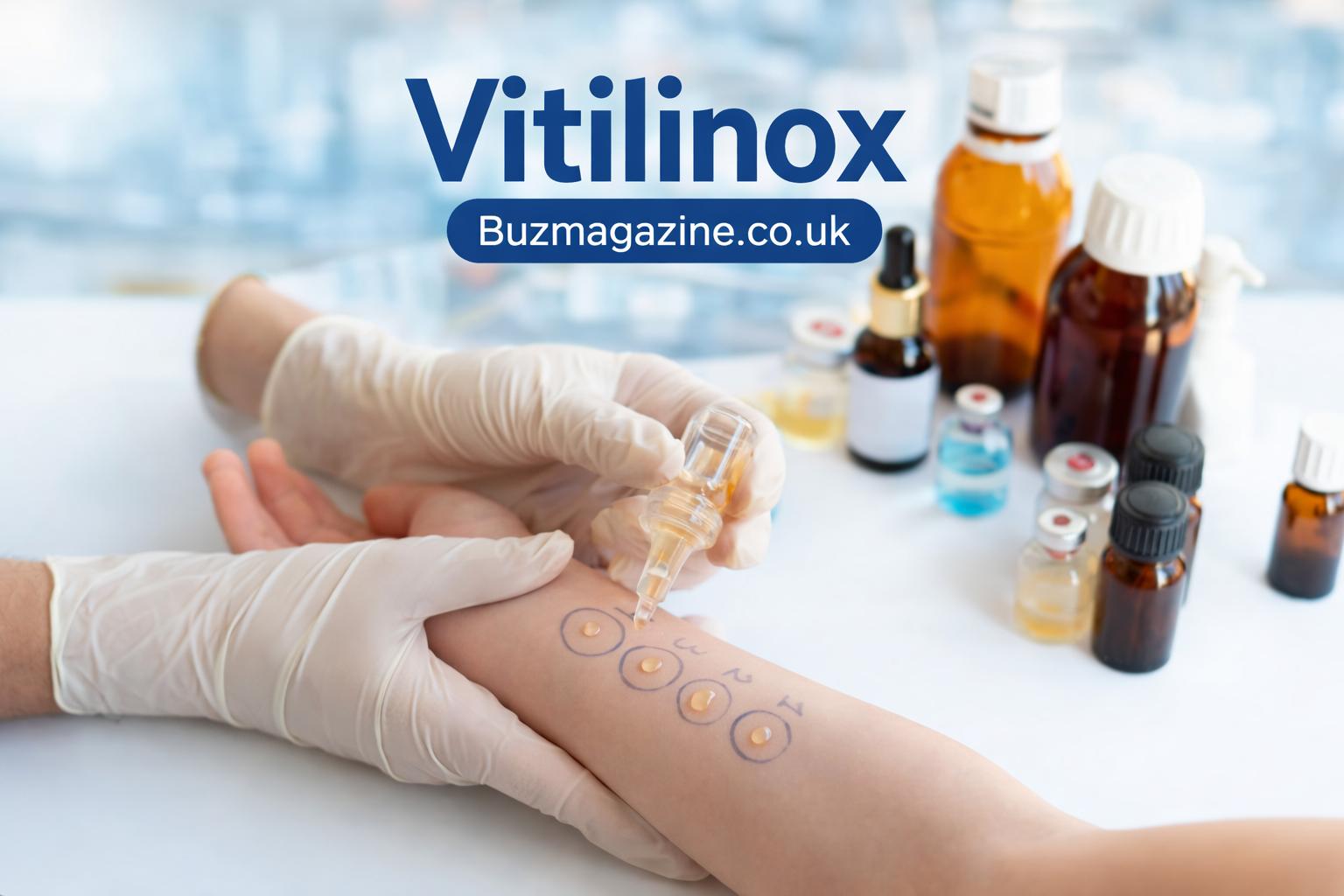
Rare allergic reactions may include itching, swelling, or rash. Patch testing is recommended before widespread use.
Consultation with a Professional
Dermatologists advise caution and suggest consulting a healthcare professional — particularly for children, pregnant individuals, or those with extensive vitiligo.
Real User Experiences: Success Stories & Mixed Results
One of the reasons Vitilinox has gained popularity is user testimonials, which often highlight gradual improvements and ease of use. These are anecdotal and vary widely.
Some users report noticeable repigmentation within weeks or months of regular application, particularly when combined with light therapy. Others notice minimal or no improvement.
It’s essential to remember that vitiligo does not respond uniformly — individual factors like severity, skin type, and stage of vitiligo influence outcomes.
How to Maximize Results with Vitilinox
If someone chooses to try Vitilinox, here are best practices:
Apply Correctly
Clean and dry the area before application, and follow recommended doses.
Be Consistent
Visible changes may take weeks or months of regular use.
Sun Protection
UV exposure affects skin and treatment response; use sunscreen as part of any skin regimen.
Hydration & Diet
Maintaining overall skin health through hydration and nutrient‑rich diets may support skin physiology.
Track Progress
Photos or notes help monitor improvements objectively over time.
Alternative Treatments for Vitiligo
While Vitilinox is a supportive skincare option, there are established treatments with stronger clinical backing:
Topical Corticosteroids
Prescription creams that reduce inflammation and can promote repigmentation.
Calcineurin Inhibitors
Medications like tacrolimus modulate immune response and can aid repigmentation.
Phototherapy (Narrowband UVB)
One of the most evidence‑based approaches, shown to encourage melanocyte activity when used under medical supervision.
Surgical Options
For stable vitiligo, melanocyte grafting techniques exist but are more invasive.
Each option has pros and cons, and decisions should be made with dermatological guidance.
Who Should Consider Vitilinox?
Vitilinox may appeal to:
- Individuals seeking natural, gentler treatment options.
- People with early or limited vitiligo patches.
- Those who want to complement medical therapies.
- People wary of long‑term steroid use.
Who Should Avoid It
Vitilinox is not recommended for:
- Extensive or rapidly spreading vitiligo without medical supervision.
- Individuals with known allergies to botanical ingredients.
- Anyone expecting instant results — results are gradual and variable.
Scientific Evidence & Research on Vitilinox
To date, large‑scale peer‑reviewed clinical trials on Vitilinox specifically do not exist. Most evidence arises from individual studies on:
- Antioxidants like Vitamin E and plant extracts in dermatology.
- Trace elements’ role in vitiligo.
This distinction is important: ingredient‑level research does not equal product‑level clinical proof. Users should maintain realistic expectations and consult specialists.
Frequently Asked Questions (FAQs)
Does Vitilinox cure vitiligo?
No — vitiligo has no definitive cure, and Vitilinox is a supportive topical cream, not a cure.
How long does Vitilinox take to work?
Results vary widely; some people report changes within weeks, others in several months.
Is Vitilinox FDA approved?
There is no official FDA approval for Vitilinox as a medical treatment for vitiligo.
Can Vitilinox be used with phototherapy?
Some users combine supportive creams with UVB therapy, but this should be done under a healthcare provider’s guidance.
Is it safe for children?
Topical products for children should only be used with medical advice.
Final Thoughts and Recommendations
Vitilinox represents an intriguing natural skincare option for people exploring supportive vitiligo management, especially for those who prefer non‑pharmaceutical treatments. Its antioxidant‑rich formulation and user testimonials add appeal, but scientific proof remains limited.
If you’re considering using Vitilinox:
- Approach with realistic expectations.
- Talk to a dermatologist, especially for active or widespread vitiligo.
- Consider combining approaches — diet, phototherapy, medical treatments — for a comprehensive plan.
Conclusion
Vitiligo is a complex, often emotionally taxing condition. While Vitilinox may offer supportive benefits for some individuals — particularly in hydration and antioxidant support — established medical treatments like corticosteroids and narrowband UVB remain the most evidence‑backed options. Ultimately, a personalized approach guided by a healthcare professional is key.