




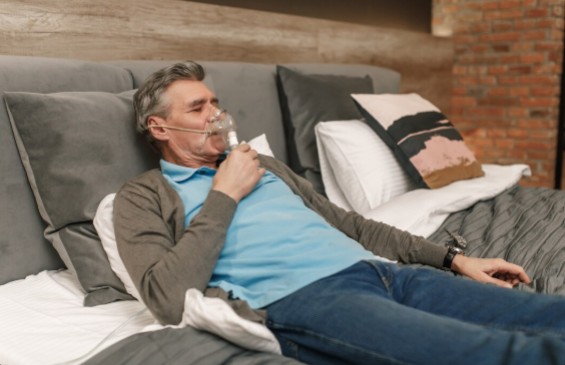
Sleep plays a huge role in overall health. When people sleep well, the body can rest, repair, and recharge. But for millions of adults and children, breathing problems during sleep can interrupt this process. One common condition that causes these problems is Sleep Apnea.
Sleep Apnea is a serious sleep disorder where breathing repeatedly stops and starts during the night. These breathing pauses can last a few seconds or even longer. Because of this, the body may not get enough oxygen. As a result, people often wake up tired even after a full night in bed.
Many cases involve Obstructive Sleep Apnea (OSA), the most common form of the condition. It happens when the muscles in the throat relax too much and block the airway during sleep. Other types include Central Sleep Apnea, which happens when the brain fails to send proper breathing signals.
Fortunately, several effective Sleep Apnea treatment options can help improve breathing and restore healthy sleep patterns. From medical devices like CPAP machines to lifestyle changes and specialized therapies, modern treatments can make a big difference. Understanding these options helps individuals take the first step toward better sleep and better health.
What is Sleep Apnea and Its Impact on Health
What Is Sleep Apnea and Why It Happens
Sleep Apnea is a condition that affects the airway during sleep. When the airway becomes blocked or breathing signals fail, airflow stops for short periods. These pauses can happen many times throughout the night.
The most common type, Obstructive Sleep Apnea (OSA), occurs when throat muscles relax and narrow the airway. The tongue or soft tissues may collapse toward the back of the throat, making breathing difficult.
Several factors can increase the risk of developing sleep apnea:
- Excess body weight
- Narrow airways
- Enlarged tonsils
- Nasal blockage
- Family history of sleep disorders
Many people with Obstructive Sleep Apnea also experience loud snoring. However, snoring alone does not always mean someone has sleep apnea. A medical evaluation from a qualified Sleep Medicine Specialist or ENT Specialist is often needed for proper diagnosis.
Common Symptoms of Sleep Apnea
The symptoms of sleep apnea can appear both during the night and during the day. Because breathing repeatedly stops, the brain briefly wakes the body many times to restore airflow.
Common nighttime symptoms include:
- Loud snoring
- Gasping or choking during sleep
- Restless sleep
- Frequent awakenings
Daytime symptoms may include:
- Morning headaches
- Difficulty concentrating
- Excessive daytime sleepiness
- Irritability or mood changes
Over time, untreated sleep apnea may increase the risk of serious health conditions such as High Blood Pressure, Heart Disease, and Type 2 Diabetes. This is why early diagnosis and proper Sleep Apnea treatment are extremely important.
Sleep Apnea Treatment Options
Lifestyle Changes That Improve Sleep Apnea
For some people, simple lifestyle adjustments can help reduce sleep apnea symptoms. These changes may not cure the condition entirely, but they can improve breathing and sleep quality.
One of the most helpful steps is weight management. Excess body weight, especially around the neck area, can narrow the airway. Losing even a small amount of weight may improve breathing during sleep.
Another useful step is improving sleep position. Many people experience more breathing problems when lying on their backs. Sleeping on the side may help keep the airway open.
Other lifestyle changes that may support better breathing include:
- Avoiding alcohol before bedtime
- Maintaining a consistent sleep schedule
- Quitting smoking
- Practicing regular physical activity
While lifestyle changes can be helpful, moderate or severe sleep apnea often requires additional medical treatments.
Medical Devices Used in Sleep Apnea Treatment
One of the most common and effective treatments for Obstructive Sleep Apnea is the Continuous Positive Airway Pressure (CPAP) Machine.
A CPAP machine works by delivering steady air pressure through a mask worn during sleep. This air pressure keeps the airway open so that breathing remains steady throughout the night.
Many sleep specialists consider CPAP therapy the gold standard treatment for moderate to severe sleep apnea. When used consistently, it can significantly improve sleep quality and reduce daytime fatigue.
Other medical devices may also help manage sleep apnea:
BiPAP Machines
Bi-Level Positive Airway Pressure (BiPAP) devices deliver two different air pressure levels for inhaling and exhaling. These machines are sometimes recommended for people who have difficulty adjusting to CPAP therapy.
Oral Appliance Therapy
Dentists trained in Sleep Medicine may provide custom oral appliances. These devices gently adjust the position of the jaw and tongue to keep the airway open during sleep.
Oral appliances are often used for mild to moderate sleep apnea or for individuals who cannot tolerate CPAP machines.
What Are Audiology Services?
How Audiologists Test Hearing Health
Although Audiology Services mainly focus on hearing, they are often part of broader ENT care that supports airway health and sleep quality.
An Audiologist is a trained healthcare professional who specializes in diagnosing and treating hearing and balance disorders. Hearing health is closely connected to overall ear, nose, and throat wellness.
During an Audiology Evaluation, several tests may be performed to measure hearing ability. These tests may include:
- Pure Tone Audiometry
- Speech Recognition Testing
- Tympanometry
These assessments help identify hearing loss and other ear-related conditions.
Common Hearing Problems Treated by Audiologists
Audiologists treat a wide range of hearing conditions that affect people of all ages. Some of the most common issues include:
- Sensorineural Hearing Loss
- Conductive Hearing Loss
- Tinnitus (ringing in the ears)
- Balance disorders
Treatment options may include hearing aids, hearing rehabilitation programs, or medical referrals to ENT Specialists.
While hearing services may seem unrelated to sleep apnea, both conditions fall under the broader field of Otolaryngology, which focuses on ear, nose, and throat health.
The Importance of Hearing Tests and Early Diagnosis
Signs That You May Need Audiology Services
Hearing changes often develop gradually. Because of this, many people may not realize they are experiencing hearing loss.
Common signs that someone may need Audiology Services include:
- Difficulty understanding conversations
- Frequently asking others to repeat themselves
- Turning the television volume higher than usual
- Trouble hearing in noisy environments
Early hearing evaluations can help detect problems before they become more serious.
How Hearing Evaluations Help Protect Long-Term Hearing
Regular hearing evaluations are important for maintaining healthy hearing. These assessments allow healthcare providers to monitor changes in hearing ability over time.
When hearing problems are detected early, treatment options such as hearing aids or hearing therapy can help maintain communication and quality of life.
Routine evaluations are particularly important for older adults and individuals exposed to loud environments.
How ENT Specialists Support Sleep and Hearing Health
ENT Diagnosis for Breathing and Hearing Problems
An ENT Specialist, also known as an Otolaryngologist, focuses on conditions affecting the ears, nose, and throat. These specialists often diagnose both Sleep Apnea and hearing-related conditions.
ENT doctors may perform several tests to evaluate breathing during sleep. These tests may include a Sleep Study, also known as Polysomnography.
A sleep study measures several important factors during sleep:
- Breathing patterns
- Oxygen levels
- Brain activity
- Heart rate
These results help specialists determine the severity of sleep apnea and recommend appropriate treatment.
Treatment Plans for Sleep Apnea and Hearing Loss
Once a diagnosis is confirmed, ENT specialists create personalized treatment plans based on the patient’s needs.
For sleep apnea, treatment options may include:
- CPAP therapy
- Oral appliance therapy
- Lifestyle changes
- Airway surgery in certain cases
For hearing conditions, treatment may involve:
- Hearing aids
- Medical therapy
- Earwax removal
- Hearing rehabilitation programs
By addressing both breathing and hearing health, ENT specialists help patients improve overall wellness.
Advanced ENT Medical Care for Sleep Apnea
How ENT Specialists Diagnose Complex Sleep Apnea Cases
When basic treatments such as CPAP therapy or lifestyle changes do not fully solve breathing problems, advanced evaluation from an ENT Specialist may be needed. Doctors who specialize in Otolaryngology often perform detailed airway assessments to understand exactly where the breathing blockage occurs.
One advanced diagnostic method is Drug-Induced Sleep Endoscopy (DISE). During this procedure, the patient is placed in a light sleep while the doctor uses a small flexible camera to examine the airway. This allows the ENT physician to observe how the throat tissues behave during sleep.
Another important diagnostic tool is Polysomnography, commonly known as a Sleep Study. This test records breathing patterns, oxygen levels, brain activity, and heart rate during sleep. The results help specialists identify the severity of Obstructive Sleep Apnea (OSA) and guide treatment decisions.
These advanced diagnostic methods help doctors design a treatment plan that targets the exact cause of airway blockage.
Advanced Surgical Treatments for Obstructive Sleep Apnea
For some patients, medical devices alone may not fully resolve breathing problems. In these cases, advanced ENT surgical treatments may be recommended to improve airflow.
One commonly performed procedure is Uvulopalatopharyngoplasty (UPPP). This surgery removes or reshapes excess tissue in the throat, including parts of the uvula, soft palate, and nearby airway structures. By enlarging the airway, the procedure can reduce obstruction during sleep.
Another option is Septoplasty, which corrects a deviated nasal septum. When the nasal passages are blocked, breathing becomes more difficult during sleep. Straightening the septum can improve nasal airflow and help reduce sleep apnea symptoms.
Doctors may also recommend Tonsillectomy when enlarged tonsils are contributing to airway blockage, particularly in children and young adults.
Maintaining Healthy Sleep and Hearing
Simple Habits for Better Sleep Quality
Healthy sleep habits can improve sleep quality and support better breathing at night.
Some helpful habits include:
- Maintaining a consistent bedtime routine
- Creating a quiet and dark sleep environment
- Limiting screen time before sleep
- Avoiding heavy meals late at night
Good sleep habits work best when combined with appropriate Sleep Apnea treatment recommended by healthcare professionals.
Protecting Your Hearing in Daily Life
Protecting hearing health is also an important part of long-term wellness.
Simple ways to protect hearing include:
- Avoiding prolonged exposure to loud noise
- Using ear protection in noisy environments
- Limiting headphone volume
- Scheduling regular hearing evaluations
Taking these steps helps maintain healthy hearing and reduces the risk of permanent hearing damage.
Conclusion
Sleep Apnea is a common yet serious condition that can disrupt breathing and prevent restful sleep. Without treatment, it may increase the risk of several health problems, including Heart Disease, High Blood Pressure, and Daytime Fatigue.
Fortunately, many effective Sleep Apnea treatment options are available today. Solutions such as CPAP therapy, oral appliances, and lifestyle changes can significantly improve nighttime breathing and sleep quality.
At the same time, comprehensive ENT care often includes services like Audiology Evaluations, which support overall ear, nose, and throat health. By addressing both breathing and hearing concerns, healthcare specialists can provide a more complete approach to wellness.
Early diagnosis, proper treatment, and healthy daily habits can help individuals breathe easier at night, sleep more peacefully, and maintain better health for years to come.