




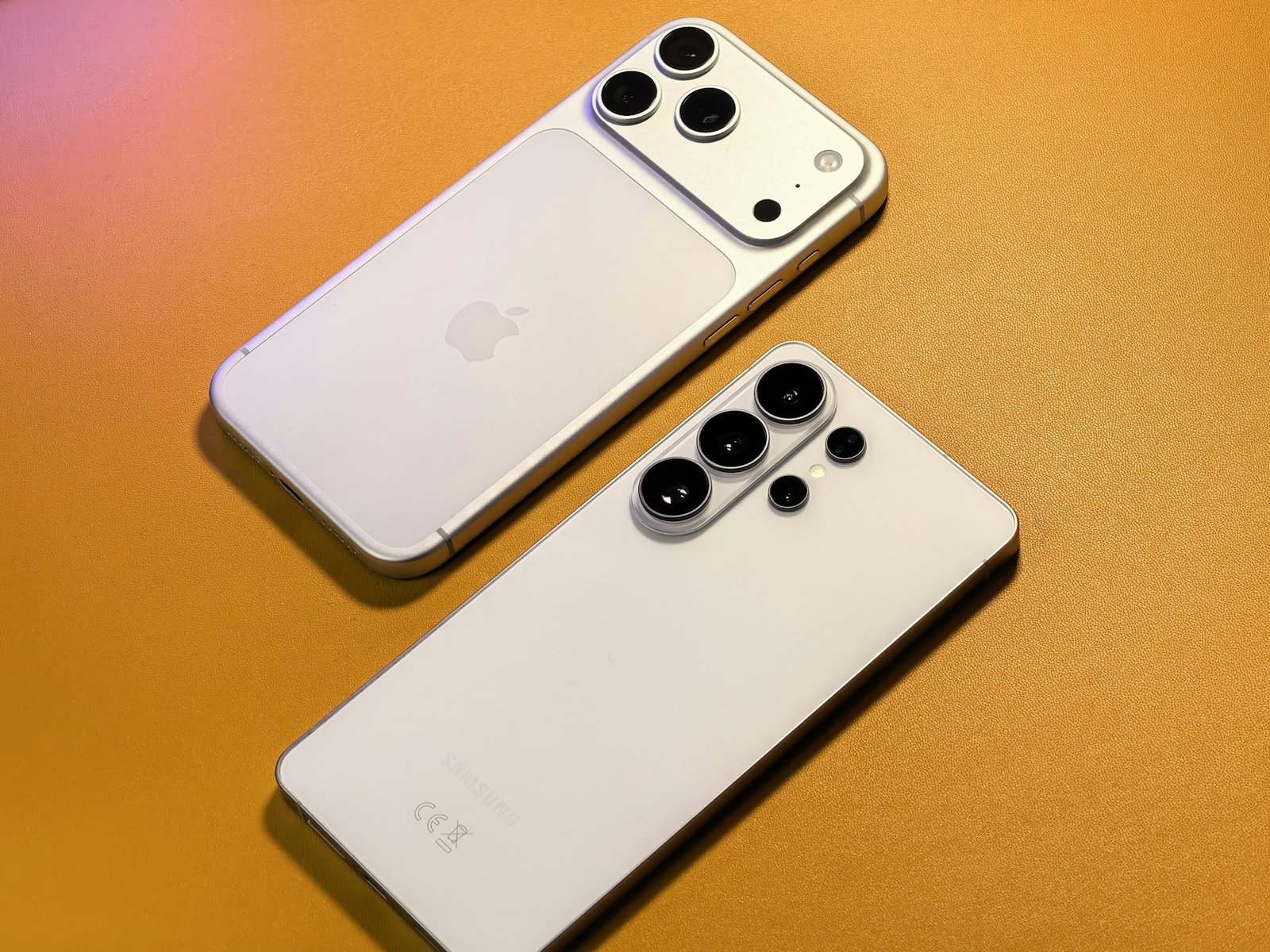
Good Products Don’t Always Get the Attention They Deserve
If great products automatically became bestsellers, the smartphone market would look very different today. Some highly rated smartphones never achieved the success many expected. HTC’s One M8 was a favourite among reviewers, but most buyers still ended up choosing Samsung or Apple. That wasn’t necessarily because HTC was making inferior products. The brand simply wasn’t occupying the same amount of space in people’s minds.
LG faced a similar challenge. LG introduced innovative features before many competitors and wasn’t afraid to experiment with new designs. Even so, the brand gradually faded from consideration as consumers focused on more visible alternatives.
That is the part many technology companies underestimate. Consumers don’t choose from every product available. They choose from the handful they remember.
Buyers Usually Spend More Time Researching Than Expected
The path to buying a smartphone is rarely simple anymore. A person might begin by searching for a phone within a specific budget. Then comes a comparison article. Then a YouTube review. Then another review because the first reviewer preferred a completely different device. Then a Reddit thread full of conflicting opinions. A decision that was supposed to take twenty minutes suddenly stretches across several evenings.
Google’s research continues to show that search plays a major role in how consumers discover and evaluate products. What’s interesting is how often familiarity influences the final outcome. Most people aren’t studying benchmark scores or analysing every technical detail. They are trying to avoid making a bad purchase. The phone that keeps appearing throughout the research process naturally starts to feel like the safer option.
Social Media Often Creates the First Impression
For many consumers, the first encounter with a smartphone now happens long before they see it in person. It happens while scrolling.
A creator posts camera samples from a weekend trip. A reviewer compares battery life between competing devices. Someone uploads a quick video showing how a new feature works in everyday use. Those moments seem small individually. Collectively, they shape perception. By the time a smartphone officially launches, many consumers have already formed an opinion. Some are excited. Some are sceptical. Others have already decided whether the product deserves attention. That’s a major shift from how smartphone marketing worked a decade ago.
Today, visibility is built gradually through dozens of touchpoints rather than a single launch announcement.
Search Visibility Still Influences Buying Decisions
Although social media raises awareness, customers are frequently caught by surprise when actively weighing their alternatives. Someone who is looking up “best Android phone for photography” or “Pixel vs Galaxy” is already considering what they might buy. It’s important to show up at that point.
To increase their exposure in search results, many IT companies make significant investments in digital marketing and content. To improve their digital visibility and guarantee that relevant information reaches potential clients, some also collaborate with experts like a SEO agency Peterborough. While being more accessible does not automatically improve a smartphone, it does raise the likelihood that it will be taken into consideration.
Trust Matters Just as Much as Visibility
Attention opens the door. Trust helps close the sale. Customers are becoming more picky about where they obtain information. Although sophisticated advertising efforts are still valuable, reviews, community discussions, and direct feedback frequently have more weight.
Edelman’s research keeps demonstrating how much trust affects customer choices. This clarifies why companies spend so much money on community involvement, frequent upgrades, software maintenance, and customer service. While it takes effort to establish confidence, it may be lost very fast.
Why Some Brands Stay Relevant
Both Apple and Samsung rarely get out of the public eye, they continue to be highly visible and popular. Both companies remain firmly in the limelight because to new devices launch, software upgrades, Ai features, and continuous coverage.
Google’s grasp on the Pixel line has been constantly increasing. Nothing has built a reputation for generating curiosity around every launch. Although various businesses employ different tactics, they all recognise the same truth. A smartphone that people are familiar with is significantly more likely to be purchased than one that they have hardly heard of.
Conclusion
The smartphone market isn’t lacking quality products. In fact, there are more good smartphones available today than ever before. The challenge is getting noticed.
Consumers can only compare devices they come across during their research. They can only consider brands that appear in front of them repeatedly. No matter how impressive a smartphone may be, it still needs visibility before it has a chance to compete.
That is why digital and social visibility have become such an important part of the smartphone industry. In many cases, being remembered is just as important as being innovative.