



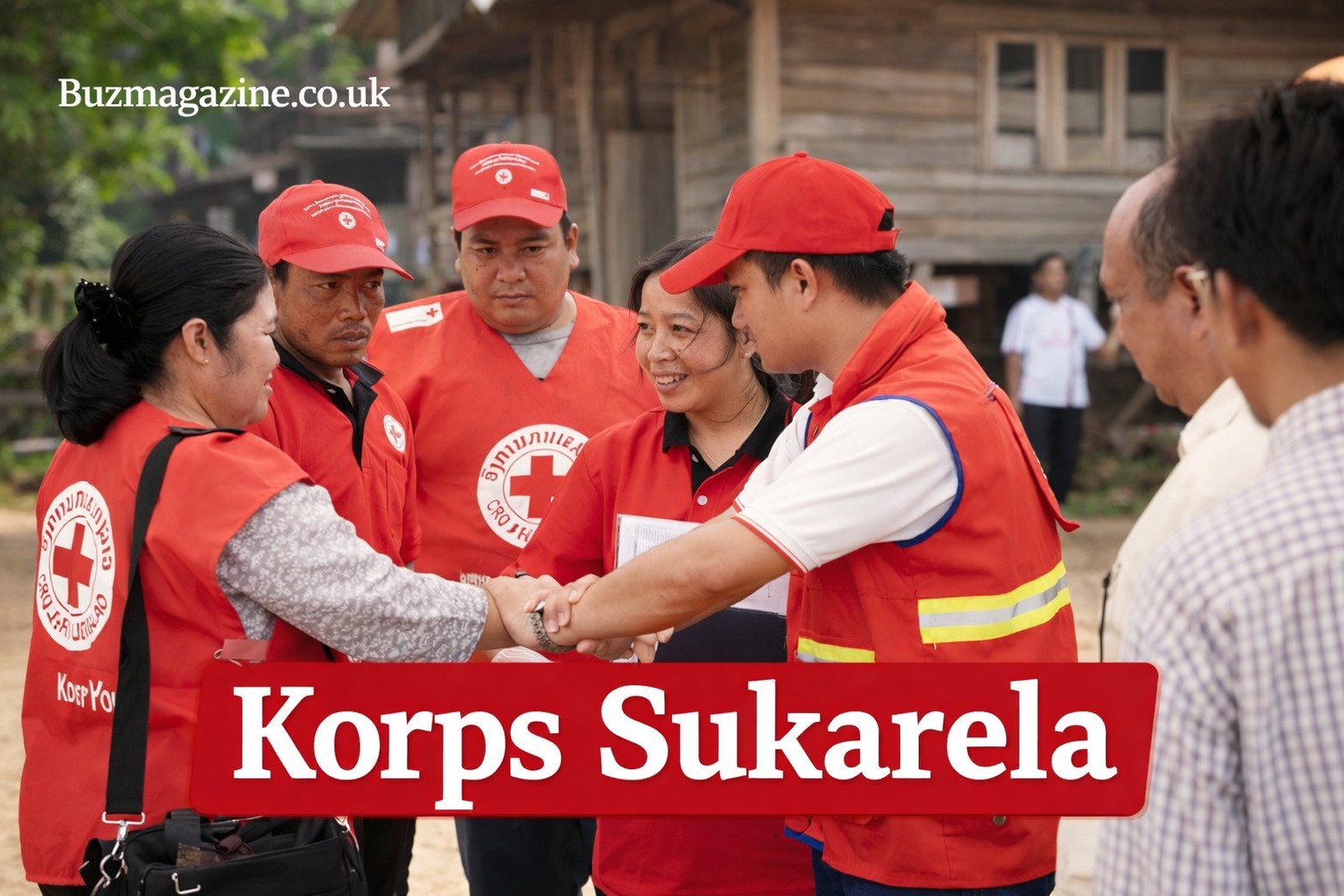
Volunteerism lies at the heart of resilient and compassionate societies. In Southeast Asia, Korps Sukarela, often translated as the Volunteer Corps, stands out as a vibrant and impactful movement that brings everyday citizens together to help others — especially during emergencies, community initiatives, and public welfare programs.
Across Malaysia and Indonesia, Korps Sukarela units — whether linked to national disaster response or operated through Red Cross branches — embody the spirit of self‑sacrifice, civic duty, and community solidarity. This comprehensive guide explores everything you need to know about Korps Sukarela: its history, roles, training, impact, and how you can become part of this noble mission.
Introduction to Korps Sukarela
The term Korps Sukarela literally means “Volunteer Corps,” referring to organized groups of volunteers dedicated to serving their communities. Though sometimes used generally, Korps Sukarela has distinct institutional forms in different countries — from Malaysian community volunteer units to Indonesia’s structured units under the Indonesian Red Cross Society (Palang Merah Indonesia, PMI).
At its core, Korps Sukarela brings ordinary citizens together to respond to emergencies, support social welfare programs, engage in community outreach, and strengthen civic engagement. The values driving these units — selflessness, solidarity, and service — transcend borders and cultures, making Korps Sukarela a powerful force for public good.
History and Evolution of Korps Sukarela
Origins in Malaysia
Volunteerism in Malaysia has deep roots, and though the specific label “Korps Sukarela” may not always reference an official unit, the concept aligns with decades of community volunteer work. One major institutional example is the Malaysia Volunteers Corps Department (Jabatan Sukarelawan Malaysia or RELA), which functions as a government‑supported volunteer corps focused on civil duties, social programs, and public assistance.
RELA’s origins can be traced to various volunteer efforts dating back to colonial times and the post‑independence period. It evolved from local home guard and civil defense initiatives into a national volunteer body tasked with a broad range of civic responsibilities — from disaster assistance to community welfare.
While RELA’s role sometimes intersects with emergency volunteer activities, other Malaysian volunteer units — including university clubs and nongovernmental volunteer groups — also operate under the broader umbrella of Korps Sukarela in community contexts.
Evolution in Indonesia: KSR PMI
In Indonesia, Korps Sukarela (KSR) enjoys a more structured identity as part of the Palang Merah Indonesia network. KSR was established to institutionalize volunteer involvement in humanitarian, health, and disaster‑related missions.
Korps Sukarela units are integrated into PMI branches across provinces, districts, cities, and even universities. These units mobilize youth and adults alike for emergency response, blood donation drives, first‑aid services, disaster logistics, and community health campaigns.
Roles and Responsibilities of Korps Sukarela Volunteers
Volunteer duties within Korps Sukarela depend on the specific unit and operating context. However, across Malaysia and Indonesia, common themes emerge:
Disaster Relief and Emergency Response
Both Malaysian volunteer groups and Indonesian KSR units are often on the front lines during natural disasters — including floods, landslides, fires, or large‑scale emergencies. Volunteers assist with:
- Search and rescue operations
- Evacuation assistance
- Distribution of food, water, and emergency supplies
- Temporary shelter setup
- First aid and medical assistance
In Indonesia alone, PMI’s volunteer corps form part of the organization’s broader humanitarian human resources, which once were recorded with tens of thousands of volunteer members contributing to relief and preparedness efforts nationwide.
Community Service and Outreach Initiatives
Beyond disaster response, Korps Sukarela volunteers support community wellbeing through:
- Donor blood drives and health screenings
- Public health education and awareness campaigns
- Community cleanup and environmental programs
- Elderly care, youth mentoring, and support in schools
- Public safety awareness initiatives
For example, KSR units under PMI engage in voluntary blood donation activities, lifesaving support, counseling, and community‑based health services.
Administrative and Leadership Roles
Not all volunteer work is field‑based. Many Korps Sukarela members support organizational infrastructure, including:
- Event planning and coordination
- Volunteer recruitment and orientation
- Public relations and communication
- Logistics and record‑keeping
- Leadership roles that mentor new volunteers
These administrative roles ensure smooth operations and sustain long‑term volunteer engagement.
Volunteer Training and Capacity Building
Training is a critical component of Korps Sukarela membership. Whether in Malaysia or Indonesia, volunteers undergo both basic and advanced training that strengthens their ability to serve effectively.
Basic Training
New recruits typically complete fundamental courses that may include:
- Disaster response protocols
- Basic first aid and CPR
- Emergency medical procedures
- Safety and risk management
- Organizational mission and values
In many Indonesian KSR units, this basic course (often called Diklatsar) is mandatory before volunteers can participate in advanced operations.
Specialization Training
After basic preparation, volunteers can pursue specialized training in areas such as:
- Search and Rescue
- Medical and First Aid Support
- Emergency Communication
- Disaster Logistics and Shelter Management
- Community Education and Preparedness
These advanced modules enable volunteers to step into specific roles based on the needs of a disaster or community program.
How to Join Korps Sukarela
Joining Korps Sukarela is open to individuals who meet basic eligibility criteria. While specific requirements differ by country and unit, the general process includes:
1. Registration
Prospective volunteers typically fill out registration forms with personal information and areas of interest. This can be done online or at local volunteer unit offices.
2. Interview and Assessment
Many units carry out interviews or orientation sessions to assess candidates’ motivations, skills, and capacity for service.
3. Orientation and Training
Accepted applicants participate in an orientation or induction course to learn about the organization’s mission, roles, and responsibilities. After this, basic training begins.
4. Placement and Deployment
Once training is complete, volunteers are placed in appropriate roles — from community outreach to emergency response teams. Commitments vary, but many volunteers contribute several hours per week.
Collaboration with Government and NGOs
Korps Sukarela volunteers rarely operate in isolation. Their work is often reinforced through collaborations with:
- Government emergency management agencies
- Police and fire departments
- Local NGOs and community organizations
- International partners like the International Federation of Red Cross and Red Crescent Societies
These partnerships enhance coordination during disasters and expand the reach of social programs.
Success Stories and Impact
Korps Sukarela volunteers have made substantial contributions over time:
- Bridging emergency response gaps before official responders arrive
- Providing vital first aid at public events and disaster sites
- Supporting vulnerable populations through community programs
- Enhancing public awareness on health, safety, and preparedness
In both Malaysia and Indonesia, volunteers often become local heroes in their communities — celebrated not for fame or pay, but for compassion and service.
Benefits of Becoming a Korps Sukarela Volunteer
Personal Growth and Skill Development
Volunteers gain valuable life skills, including:
- First aid and emergency response
- Leadership and teamwork
- Communication and community engagement
- Organizational and logistical planning
These skills are not only useful in volunteer settings but also translate into professional and personal development.
Community Contribution and Social Impact
Volunteering provides a meaningful way to give back to society — helping communities become safer, more resilient, and more connected.
Networking and Career Opportunities
Many volunteers build lifelong friendships and professional connections that can open doors to careers in healthcare, emergency response, humanitarian work, and public service.
Challenges and Safety in Volunteer Work
While rewarding, volunteer work is not without challenges. Some common issues include:
- Balancing volunteer duties with personal and work commitments
- Facing high‑pressure or emotional situations during emergencies
- Limited funding or equipment in certain units
Safety training and mental preparedness are key to ensuring volunteers can handle difficult environments while minimizing risk.
Conclusion
Korps Sukarela — whether in Malaysian community volunteer groups or structured units under Indonesia’s PMI — represents the heart of volunteer spirit in Southeast Asia. It embodies the best of civic engagement: ordinary citizens stepping forward to support their communities when it matters most.
By fostering a culture of service, resilience, and compassion, Korps Sukarela strengthens societies and inspires a new generation of volunteers dedicated to humanitarian action. If you feel called to serve, there has never been a better time to join this powerful movement.
ALSO READ: Afruimwagens: The Ultimate Guide to Efficient Clearing Carts for Hospitality, Industry & Beyond