




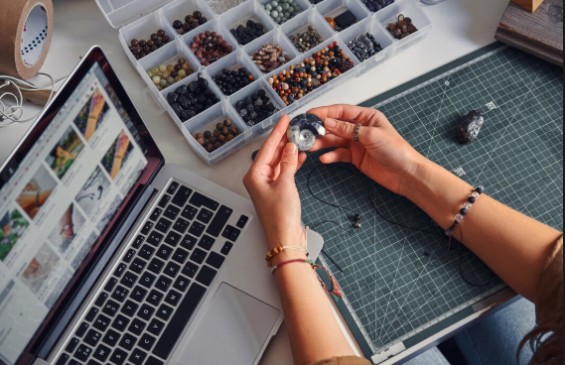
Jewelry design has changed a lot in the past few decades. In the past, most pieces were drawn by hand and shaped using traditional tools. While those skills are still respected today, modern technology has opened new doors for creativity and precision. One of the biggest changes in the jewelry world is the use of CAD (Computer-Aided Design).
Today, many professional jewelers use CAD jewelry modeling to design custom pieces with incredible detail. This digital design method allows artists to create accurate models of rings, necklaces, bracelets, and other fine jewelry before they are ever made. It helps customers see their design clearly and allows jewelers to adjust details quickly.
With tools like Rhino, MatrixGold, ZBrush, and other advanced jewelry design software, jewelers can bring ideas to life faster than ever. CAD technology also works well with modern manufacturing methods such as 3D printing and lost-wax casting. These tools make it easier to create personalized jewelry that fits each customer’s style.
Because of this technology, custom jewelry design is becoming more accessible, more precise, and more creative. CAD modeling is not just a new tool—it is changing the entire way jewelry is imagined, designed, and produced.
Professional Jewelry Services Using CAD
Modern professional jewelry services have changed significantly with the introduction of CAD (Computer-Aided Design) jewelry modeling. Today, many jewelers rely on digital technology to design, customize, and manufacture jewelry with greater accuracy and efficiency. CAD tools allow professional jewelry services to create detailed digital models before the final piece is produced, helping both jewelers and customers visualize the design clearly.
By combining CAD modeling, 3D printing, and traditional craftsmanship, modern professional jewelry services can deliver personalized and high-quality jewelry pieces that meet individual customer preferences.
What Is CAD Jewelry Modeling and Why Is It Important Today?
How Computer-Aided Design Works in Jewelry Making
CAD jewelry modeling is the process of creating a digital 3D model of a jewelry piece using specialized software. Instead of drawing a design on paper, jewelers build a virtual model on a computer.
Programs like Rhino, MatrixGold, and ZBrush allow designers to shape metal structures, place gemstones, and adjust measurements with extreme precision. The designer can rotate the model, zoom in on small details, and change features instantly.
For example, when creating a custom engagement ring, a jeweler can design the band, setting, and gemstone placement inside the CAD software. The program ensures that each part fits perfectly. This digital model becomes the blueprint for the final piece.
Because the design exists in digital form, it can be saved, edited, and shared easily. Customers can also view the design before it is made, which helps avoid mistakes and misunderstandings.
Why Jewelers Are Moving From Hand Sketches to Digital Design
Traditional sketching still plays a role in jewelry design, but digital tools offer many advantages. Hand sketches can only show a limited view of a design. In contrast, CAD jewelry modeling creates a full 3D representation.
Customers can see the jewelry from every angle. They can better understand how the piece will look when worn.
Digital design also improves accuracy. With CAD technology, jewelers can measure dimensions down to tiny fractions of a millimeter. This precision is very important when placing gemstones or designing complex settings.
Another reason for the shift is efficiency. Changes that once took hours can now be made in minutes. Adjusting a ring size, changing stone shapes, or modifying the band thickness can all be done quickly.
How CAD Technology Is Transforming Custom Jewelry Design
Creating Detailed and Accurate Jewelry Models
One of the greatest strengths of CAD jewelry modeling is its ability to create highly detailed designs. Jewelry pieces often include small features such as prongs, pavé settings, and decorative patterns. CAD software allows designers to build these elements with precision.
Designers can experiment with different textures, shapes, and metal thickness. They can also simulate how gemstones like diamonds, sapphires, and emeralds will look once set in the design.
This level of control helps jewelers create pieces that are both beautiful and structurally strong. It also helps reduce manufacturing problems later in the process.
Designing Personalized Pieces for Customers
Custom jewelry has become very popular in recent years. Many people want jewelry that reflects their personality or celebrates special moments.
With CAD technology, jewelers can easily create personalized designs. A customer might request a ring inspired by a family heirloom or a pendant with a unique gemstone arrangement.
Using software such as MatrixGold or Rhino, designers can modify designs to match the customer’s ideas. They can change stone shapes, adjust engraving, or add decorative details.
Customers often receive digital renderings or realistic images of the design before production begins. This allows them to give feedback and request changes. The result is a piece that feels truly personal.
Visualizing Jewelry Before It Is Made
Another major advantage of CAD jewelry modeling is visualization. In the past, customers had to rely on sketches or wax models to imagine their jewelry.
Today, CAD software can produce high-quality digital images and 3D previews. These renderings show how the finished jewelry will look in real life.
Customers can see the shine of gold, platinum, or white gold. They can also view how light reflects off gemstones like diamonds or rubies.
This clear visualization helps customers feel confident about their design choices. It also reduces the chances of disappointment when the final piece is completed.
Benefits of CAD Jewelry Modeling for Jewelers and Customers
Better Precision in Stone Placement and Settings
Gemstone placement is one of the most important parts of jewelry design. Even small mistakes can affect the appearance and durability of a piece.
With CAD jewelry modeling, designers can position gemstones with great accuracy. The software calculates spacing, alignment, and depth to ensure the stones fit securely.
This precision is especially helpful for designs that use multiple small stones, such as pavé rings, halo settings, and tennis bracelets.
Faster Design Changes and Customization
Another major benefit of CAD technology is flexibility. Traditional jewelry design often required creating a new wax model every time a change was needed.
With digital modeling, adjustments can be made quickly. A designer can resize a ring, switch gemstone shapes, or modify engraving in just a few minutes.
This speed makes the design process smoother for both jewelers and customers. It also allows designers to test different ideas before choosing the final version.
Reducing Errors in Jewelry Production
Manufacturing errors can be costly in jewelry production. Incorrect measurements or weak structures may cause problems during casting or stone setting.
CAD models help prevent these issues. The software allows designers to analyze the structure of the jewelry before production begins.
Designers can check metal thickness, stone placement, and structural support. This digital testing helps ensure the final piece will be strong and durable.
Common Jewelry Pieces Designed With CAD Technology
Custom Engagement Rings
One of the most popular uses of CAD jewelry modeling is the design of custom engagement rings. Couples often want rings that reflect their unique relationship.
Using CAD software like Rhino or MatrixGold, jewelers can create personalized settings, unique band styles, and custom gemstone arrangements.
Customers can view the design before production and make adjustments until it feels perfect.
Personalized Necklaces and Bracelets
CAD technology is also widely used to design personalized necklaces, bracelets, and lockets. These pieces may include engraved names, special symbols, or meaningful dates.
Digital modeling allows designers to create clean, precise lettering and decorative elements. This ensures that personalized jewelry looks polished and professional.
Modern Luxury Jewelry Designs
High-end jewelry designers also rely on CAD technology for luxury pieces. Complex designs with intricate patterns or unusual shapes are easier to create digitally.
Designers can combine traditional craftsmanship with modern tools to produce jewelry that feels both artistic and innovative.
How CAD Jewelry Modeling Works With Modern Jewelry Manufacturing
CAD Design and 3D Printing
Once a digital model is complete, it can be used in the manufacturing process. Many jewelers send CAD files to 3D printers to create physical prototypes.
These prototypes are often printed using special wax-like materials. The printed model shows the exact shape of the final jewelry piece.
Creating Wax Models for Casting
The 3D-printed model is commonly used in lost-wax casting, a traditional method of jewelry manufacturing. In this process, the wax model is placed in a mold and melted away, leaving space for molten metal.
Precious metals such as gold, silver, and platinum are poured into the mold to create the final piece.
Because the wax model comes directly from the CAD design, the finished jewelry closely matches the original digital model.
Improving Efficiency in Jewelry Production
Combining CAD modeling, 3D printing, and lost-wax casting has greatly improved production efficiency. Jewelers can move from design to manufacturing faster than ever.
This process also allows for consistent results, which is especially important when producing multiple pieces with the same design.
Conclusion: Why CAD Jewelry Modeling Is the Future of Custom Jewelry Design
The jewelry industry continues to evolve as new technology becomes available. Among the most important innovations is CAD (Computer-Aided Design) jewelry modeling. This powerful tool has changed the way jewelry is imagined, designed, and produced.
With software like Rhino, MatrixGold, and ZBrush, designers can create highly detailed digital models of rings, necklaces, bracelets, and other fine jewelry. These tools make it easier to experiment with ideas, adjust designs, and visualize the final piece before production begins.
CAD technology also works seamlessly with modern manufacturing methods such as 3D printing and lost-wax casting. This combination improves precision, reduces production errors, and allows jewelers to create custom designs with remarkable accuracy.
For customers, CAD modeling means more involvement in the design process. They can view realistic previews, suggest changes, and feel confident about the final result. For jewelers, it opens new opportunities for creativity and efficiency.
As technology continues to advance, CAD jewelry modeling will likely play an even bigger role in the world of custom jewelry design. By blending digital innovation with traditional craftsmanship, modern jewelers are shaping a future where creativity, precision, and personalization come together beautifully.