




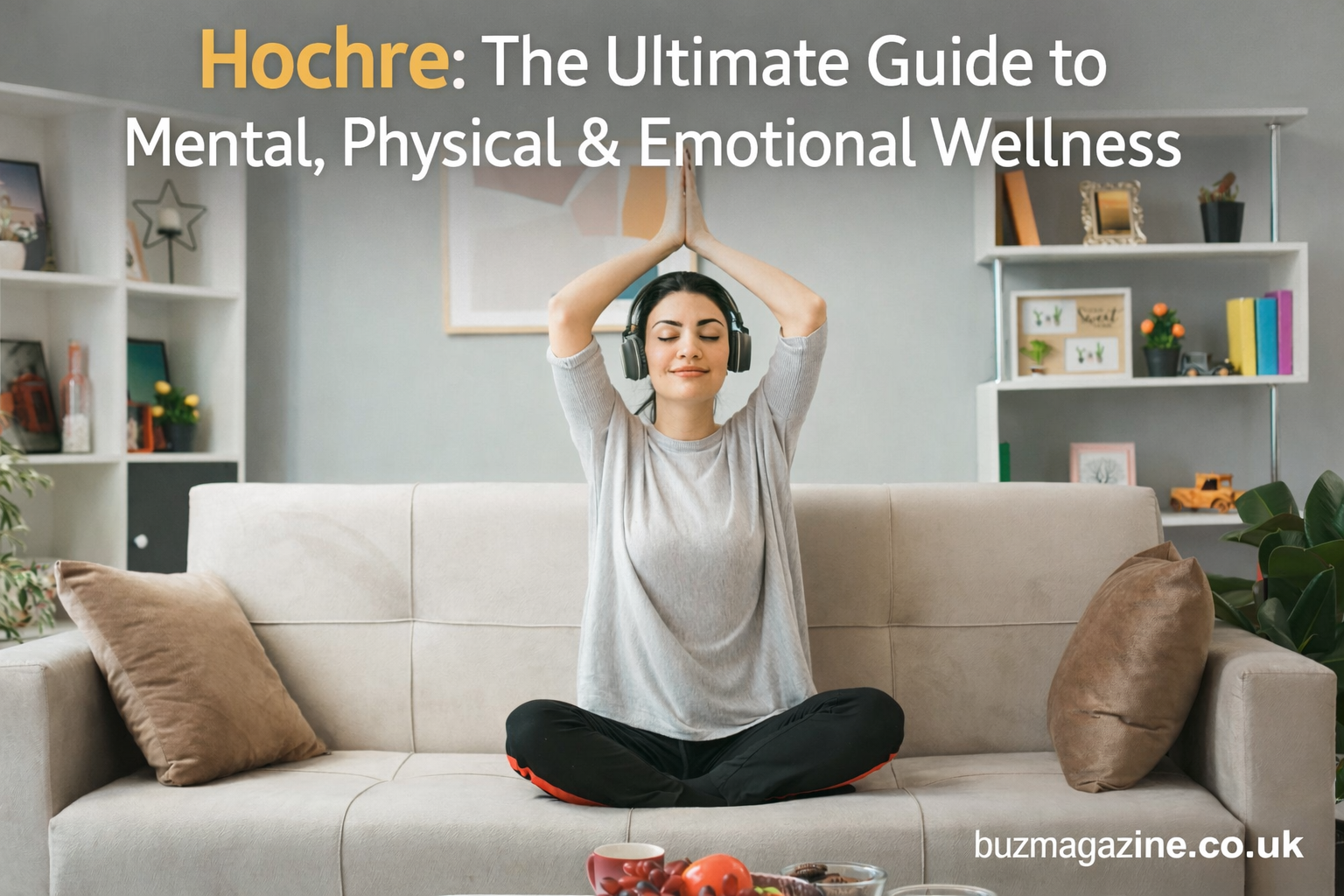
In a world where stress, burnout, and mental fatigue are increasingly common, people are seeking methods that help restore balance in life. One such practice gaining attention is Hochre — a holistic routine combining calm breathing, mindful movement, focused awareness, and emotional grounding. While it may seem like a wellness trend at first glance, Hochre has become known as a powerful approach to integrating mind and body well‑being.
This ultimate guide explores Hochre in detail — from its foundational principles to real‑world applications, benefits, and long‑term impact on productivity, emotional strength, and balanced living.
What Is Hochre and How Does It Work?
Hochre is more than a set of exercises — it is a mindful practice designed to foster equilibrium between the physical body and the thinking mind. At its core, Hochre is grounded in simplicity: slow breathing, gentle movements, focused attention, and reflective pauses.
The Origins and Philosophy of Hochre
Although Hochre has gained popularity in modern wellness culture, its roots lie in timeless traditions of mindful movement and contemplative awareness. Like yoga, tai chi, and meditation, Hochre blends intentional movement with internal focus. Unlike rigid systems with strict postures or spiritual dogma, Hochre emphasizes comfort first and adaptation second.
Core Principles: Breathing, Movement, Awareness, and Reflection
Hochre uses four key elements:
- Calm Breathing – We use slow, intentional breathing to activate the parasympathetic nervous system, which helps reduce stress and create internal calm.
- Controlled Movement – Gentle physical actions that unlock tension and improve body awareness.
- Focused Awareness (Mind Centering) – Directing attention inward to observe thoughts and sensations without judgement.
- Reflection Pause – Short moments of stillness to acknowledge internal states and ground awareness.
How Hochre Balances Mind and Body
When these elements are practiced together, they create a loop of feedback between body and mind. The gentle movements relax physical tension, calm breathing reduces mental chatter, and focused awareness bridges psychological states with bodily sensations. Over time, this loop strengthens a person’s internal balance, making them more resilient to stress and better able to connect with their thoughts and emotions.
The Science Behind Hochre
Hochre’s benefits are not purely anecdotal. Research in related fields provides evidence that components of Hochre—such as mindful breathing and gentle movement—can influence mental and physical wellness.
How Hochre Supports Mental Wellness
Mindful attention, similar to that practiced in Hochre, has been shown to:
- Reduce symptoms of anxiety and depression
- Improve emotional regulation
- Enhance cognitive focus and mental clarity
A 2018 study published in JAMA Internal Medicine found mindfulness programs can improve anxiety and stress, showing that even brief periods of intentional awareness can influence neural pathways tied to emotion and attention.
Physical Benefits and Posture Improvement
Unlike intense workouts, Hochre’s movement component is gentle and accessible. Such movement has similarities with practices like tai chi, which research associates with:
- Improved balance and flexibility
- Better posture alignment
- Reduced muscle tension
A survey in Medicine and Science in Sports and Exercise showed that low‑impact mindful movement can enhance physical comfort and awareness without the fatigue associated with strenuous exercise.
Emotional Stability and Stress Regulation
Hochre’s reflective focus and breathing patterns align with what scientists describe as activation of the body’s relaxation response — a physiological counterbalance to stress. This response:
- Lowers cortisol (stress hormone) levels
- Reduces heart rate and blood pressure
- Promotes feelings of calm and presence
By training the nervous system to shift out of fight‑or‑flight mode, people who regularly practice Hochre may experience sustained emotional equilibrium.
Hochre in Daily Life
One of the greatest strengths of Hochre is its adaptability. It doesn’t require a studio, special equipment, or extended periods of time — making it workable in most daily routines.
Practicing at Home, Work, or Anywhere Quiet
Hochre can be practiced anywhere there’s even a few free minutes:
- Before starting your morning routine to cultivate focus
- During breaks at work to reset stress levels
- In the evening to unwind before sleep
- Anywhere quiet where you can breathe freely and move gently
Integrating Hochre Into Your Daily Routine
An example of daily Hochre structure might look like:
| Practice Element | Time Required | Purpose |
| Breathing Cycle | 3–5 minutes | Helps reset mental focus and relax tension |
| Guided Movement | 10 minutes | Releases muscle stiffness and builds fluidity |
| Mind Centering | 5 minutes | Improves clarity and emotional control |
| Reflection Pause | 2 minutes | Encourages calm awareness before returning to tasks |
With as little as 20 minutes a day, practitioners start noticing improvements in mood, focus, and body awareness.
Time‑Efficient Hochre Practices for Busy People
Not everyone can carve out 20 minutes daily. The beauty of Hochre is flexibility. Even a truncated version—just breathing and a short movement cycle—can yield benefits. Consistency matters more than duration.
Hochre Practice Elements Explained
Let’s break down what each component of Hochre looks like in action.
Breathing Cycles: Calm Your Mind and Reset Focus
Hochre breathing isn’t about deep gasping breaths but rather slow, deliberate inhalations and exhalations. This type of breath:
- Lowers stress responses
- Increases oxygenation
- Focuses attention
A common technique: inhale for four counts, hold for two, exhale for six. The extended exhale signals the body to relax.
Guided Movement: Flexibility and Muscle Fluidity
Hochre movements are smooth and intentional. They may include:
- Circular shoulder rolls
- Gentle twists
- Head and neck mobility
- Arm and wrist rotations
These movements relax physical tension and promote proprioception — the body’s awareness of its own position in space.
Mind Centering: Focused Awareness for Emotional Balance
Mind centering involves paying attention to internal states — thoughts, emotions, and sensations — without getting carried away by them. This is reminiscent of mindfulness meditation but integrated with physical motion.
Techniques include:
- Noticing the breath
- Observing thoughts as they arise and pass
- Acknowledging emotions without reacting
Reflection Pause: Boost Self‑Awareness and Calm
After movement and awareness, practitioners pause and reflect on how they feel. This moment anchors the practice and reinforces the connection between internal experience and external behavior.
Reflection may involve asking:
- “How does my body feel right now?”
- “What emotion am I experiencing?”
- “What thoughts are influencing me most?”
Answering these promotes self‑awareness and emotional intelligence.
Hochre for Beginners
Starting a new routine can be intimidating if it feels complex. But Hochre is intentionally simple, accessible, and forgiving.
How to Start Hochre in 5 Minutes a Day
Here’s a beginner routine:
- Sit comfortably in a chair or on the floor.
- Breathe slowly until the body loosens and the mind calms.
- Add small circular movements of arms, shoulders, and neck.
- Allow attention to settle on the present moment.
- Pause for a reflective moment before ending practice.
This short cycle builds confidence and establishes a habit without stress.
Common Mistakes to Avoid
Beginners often:
- Rush through movements
- Expect immediate deep peace
- Compare themselves to others
The key is patience and gentle repetition.
Tips for Building a Sustainable Hochre Habit
- Schedule it at the same time each day
- Pair it with another habit (e.g., morning tea)
- Start small and increase gradually
Consistency always outweighs intensity.
Hochre and Mental Wellness
One of the most celebrated aspects of Hochre is its role in supporting mental well‑being.
Reducing Stress and Anxiety with Hochre
Hochre’s calming breathing and awareness slows the nervous system’s stress response, making the mind less reactive and more composed. Many practitioners report:
- Reduced anxious thoughts
- Better emotional regulation
- A calmer internal state
Enhancing Focus, Clarity, and Cognitive Function
When the mind is less cluttered by stress and tension, it naturally performs better:
- Better concentration
- Higher productivity
- Faster decision‑making
Hochre supports cognitive balance by allowing mental pauses that rejuvenate mental energy rather than deplete it.
Emotional Regulation and Patience
The mindful nature of Hochre cultivates patience. Over time, you may find:
- Fewer emotional outbursts
- Increased tolerance for discomfort
- Greater self‑compassion
Hochre and Physical Wellness
Physical well‑being is equally important to Hochre’s holistic framework.
Posture, Flexibility, and Body Awareness
Many people spend hours hunched over devices — leading to stiffness and aches. Hochre movements are designed to:
- Improve posture
- Increase joint mobility
- Enhance muscle relaxation
This contributes to comfort and general body awareness.
Gentle Movement for All Ages
Because Hochre doesn’t involve intense stretches or heavy exertion, it’s suitable for:
- Older adults
- Individuals with mild movement restrictions
- People recovering from stress‑induced tension
It improves body function without strain.
How Physical Wellness Supports Mental Health
The mind and body are deeply connected. When the body is comfortable and pain‑free:
- Stress levels drop
- Sleep improves
- Mood stabilizes
This two‑way link makes physical well‑being essential to emotional well‑being.
Hochre’s Impact on Productivity
It may seem counterintuitive, but slowing down can actually improve output and task management.
Improving Focus at Work or School
Using short Hochre cycles throughout the workday:
- Reduces mental fragmentation
- Allows for clearer thinking
- Prevents burnout
Instead of pushing through fatigue, brief mindful breaks restore attention.
Reducing Distractions Through Mindful Pauses
Interruptions are one of the biggest enemies of productivity. Regular Hochre practice trains the brain to focus with intent rather than drift automatically.
Quality Over Speed: The Productivity Philosophy of Hochre
Hochre shifts focus from doing more to doing better. When quality of attention is prioritized:
- Tasks are completed more accurately
- Mistakes decrease
- Satisfaction increases
Hochre for Emotional Strength and Self‑Awareness
One of Hochre’s most transformative effects is emotional growth.
Recognizing Emotions Without Reacting
Hochre teaches people to acknowledge what they feel without immediate reaction. This practice builds:
- Emotional regulation
- Inner resilience
- Self‑reflection capacity
This stands in contrast to automatic emotional responses that often lead to conflict or stress.
Building Patience, Calm, and Resilience
Frequent reflection pauses build emotional patience — allowing individuals to:
- React thoughtfully rather than impulsively
- Stay composed under pressure
- Understand emotional triggers
Resilience strengthens with each practice cycle.
Long‑Term Emotional Benefits
Over time, Hochre can:
- Reduce emotional volatility
- Increase self‑acceptance
- Support healthier relationships
These emotional gains often extend beyond personal reflection into social and interpersonal contexts.
Hochre in Modern Wellness Culture
Hochre’s rise in popularity aligns with broader wellness trends emphasizing balance, mindfulness, and holistic health.
Rising Popularity and Trends
As yoga and meditation have become mainstream, people increasingly look for practices that are:
- Less spiritual but deeply human
- Rooted in awareness
- Easy to adopt without specialized instruction
Hochre meets all these criteria.
Workplace Wellness Programs
Many organizations now offer wellness programs to improve employee mental health and productivity. Hochre fits naturally into workplace wellness initiatives due to:
- Short cycles
- No special equipment
- Universal accessibility
Some companies have even started integrating mindful movement breaks during long work hours.
Hochre in Schools and Community Spaces
Just as mindfulness programs have shown benefits for students, Hochre is entering educational contexts:
- Classroom breaks
- Stress management programs
- After‑school mindfulness clubs
The goal is to support emotional and cognitive development from an early age.
The Benefits of Long‑Term Hochre Practice
When practiced consistently over time, Hochre yields outcomes that extend far beyond initial stress relief.
Achieving Mind‑Body Balance
Regular practice strengthens internal feedback loops between:
- Thoughts and emotions
- Physical sensations and attention
- Stress responses and relaxation
This balance promotes overall wellness.
Reduced Stress, Better Mood, and Energy Levels
Over weeks and months, many practitioners report:
- Lower baseline stress
- Improved mood stability
- Higher energy levels and resilience
These results compound over time, meaning small daily investments yield large cumulative returns.
Creating Healthy Lifestyle Habits
As Hochre becomes a habit, many people find it naturally leads to other positive behaviors:
- Better sleep routines
- Healthier nutrition choices
- Increased movement or physical activity
- Greater intentionality in daily decisions
Hochre becomes a foundation for balanced living.
Frequently Asked Questions About Hochre
How Long Does It Take to See Benefits?
While some people feel calmer after a single session, most experience measurable benefits within 2–4 weeks of consistent daily practice.
Do I Need Special Equipment?
No. Hochre’s simplicity is a major advantage — no tools, props, or apps are necessary.
Can Anyone Practice Hochre?
Yes. Hochre’s gentle nature makes it suitable for people of all ages and fitness levels. However, anyone with physical limitations should adapt movements as needed or consult a professional.
Conclusion
In today’s fast‑paced world, wellness practices that are accessible, versatile, and grounded in real benefits are rare. Hochre stands out because it:
- Balances mind and body
- Supports emotional strength
- Improves physical comfort
- Reduces stress
- Enhances productivity
- Encourages long‑term healthy habits
Whether you’re looking to improve focus, manage stress, or deepen emotional resilience, Hochre offers a practical, reliable approach to better living.
Start small, stay consistent, and let Hochre guide you toward a more balanced, calm, and fulfilling life.
ALSO READ: Babeltee: What It Is, How It Works, Health Benefits, AI Translation & Why It’s Trending in 2025